BIO 26 | Common Knowledge

BIO 26 | Common Knowledge

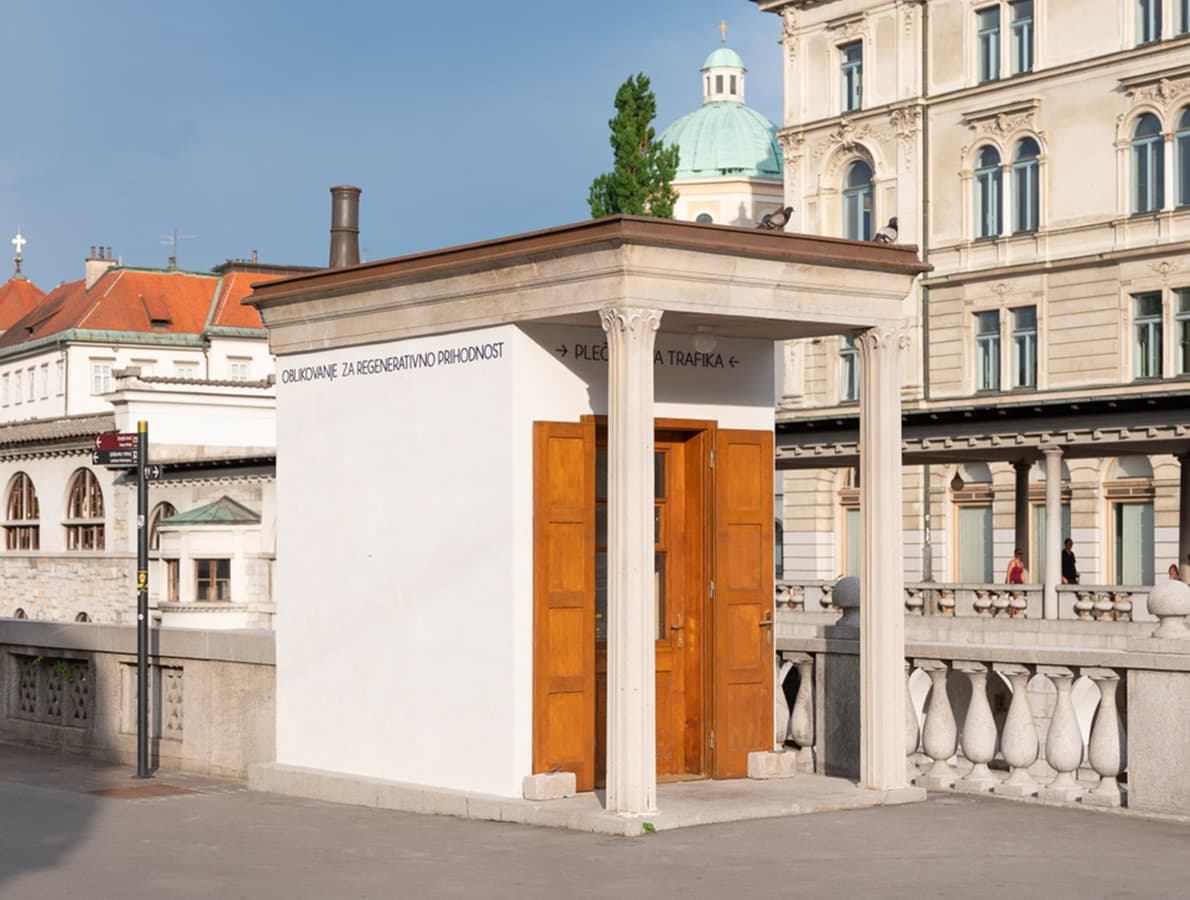
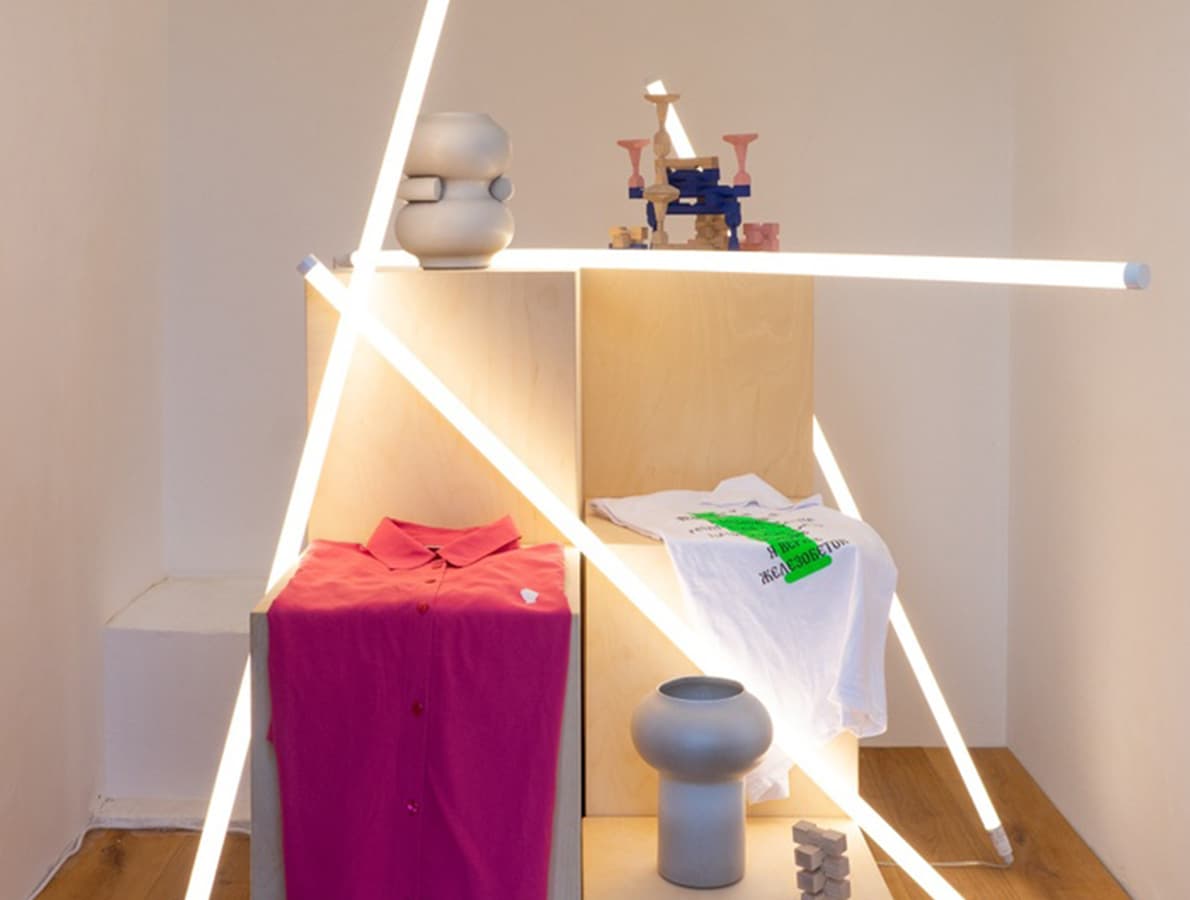
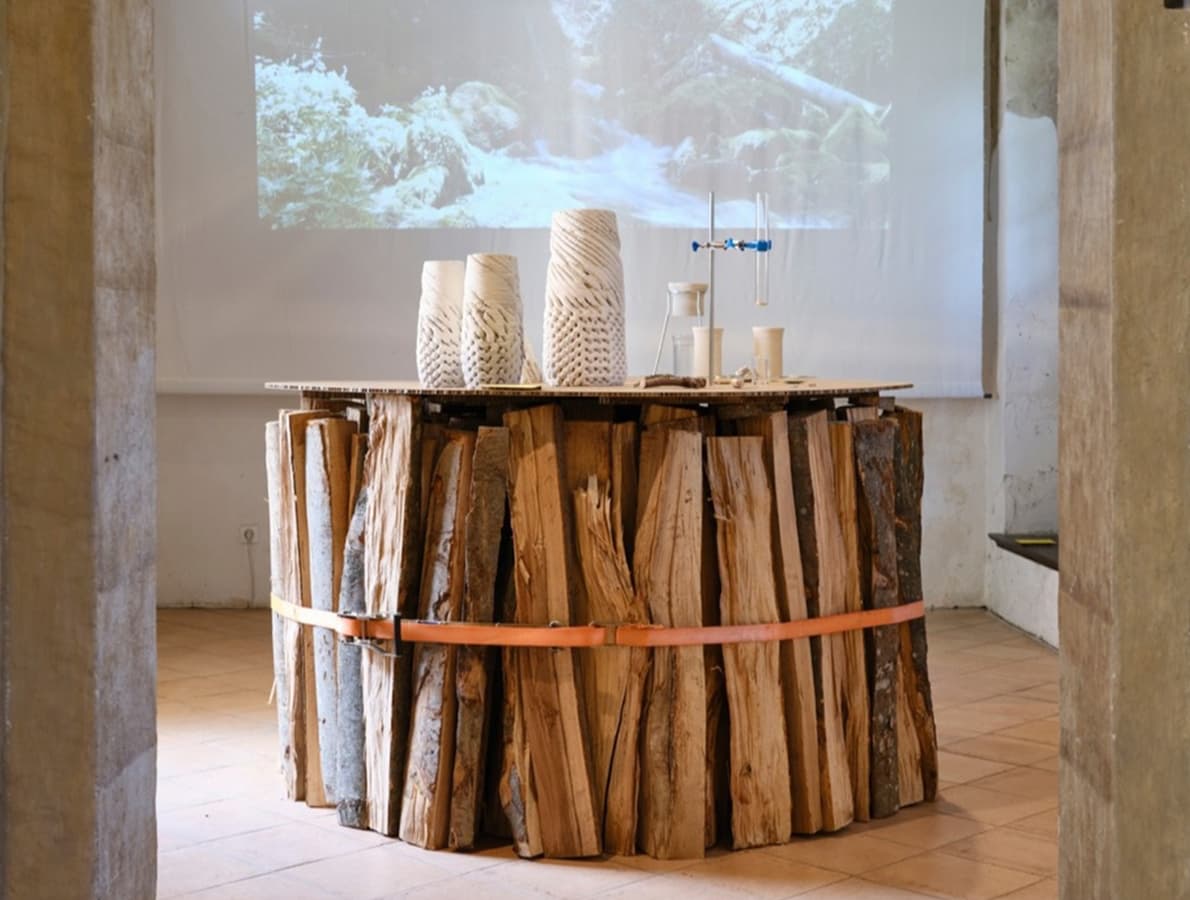
The 26th Biennial of Design in Ljubljana, BIO 26 – Common Knowledge, focuses on interrelations between the multidimensional information crisis and citizenship, and it explores the role and potential of contemporary design in the shaping of knowledge and truth, and in the recalibration of our Infosphere.

The current debate on “fake news” and the growing overload of data and information that is accessible at any instant and is spread by both people and bots alike is challenging the ways we perceive, process, and understand reality, ultimately shaking our trust in information itself.

How and where do we receive our knowledge? Which sources do we trust? How can we be sure of the information we use to build our store of knowledge? Although we have access to more information than any generation before, we are increasingly challenged in our effort to make well-informed decisions. In today’s knowledge society, we have to deal with manipulated news and alternative facts. Citizenship and governance both appear to have been shaken to their very foundations in this post-truth era.

Data smog, infobesity, infoxication, and information glut are all fitting metaphors that describe the avalanche of information we experience on a daily basis. Information overload occurs when the amount of input into a system exceeds its processing capacity. This infoglut confuses people and makes it harder for them to agree on “common knowledge.” That makes healthy debate difficult and destabilizes our sense of trust. The fading of traditional news media outlets coupled with the proliferation of social media information bubbles only serve to exacerbate the problem.

The Future of Truth and Misinformation Online, a report from the Pew Research Center released in 2017, highlights several problems and concerns that experts identified related to trust, facts, and democracy. Among them is the fact that information overload crushes people’s attention spans. Their coping mechanism consists in turning to entertainment or other similar lighter fare. Quality, credible journalism has been decimated due to tectonic shifts in the attention economy. These factors and others make it difficult for many people in the digital age to create and share the type of “common knowledge” that supports better, more responsive policy. A lack of commonly shared knowledge leads many in society to doubt the reliability of everything, causing them to simply drop out of the civic participation process, further depleting the number of active, informed citizens.

The notion of “common knowledge” is ambiguous and highly contingent on context. It relates and refers to what people know and what other people know; more broadly, it refers to what people think and how they structure their ideas, feelings, and beliefs. Furthermore, the term “common knowledge” carries a sense of communal or shared knowledge.

There are enormous implications involved. How do we form and build relationships of trust out of the information and knowledge we receive, the relationships that serve as the building blocks that shape our view of the world? How do we act as responsible citizens and how might we safeguard democracy? What is truth? What is a fact? Who gets to decide? And can people agree to trust something like a “common knowledge” that they can share and act on?

These questions predate the digital era. In 1938, the science fiction writer H. G. Wells imagined a “World Brain” that he called the “Permanent World Encyclopaedia.” His vision was to create a knowledge system that would be free and accessible to all and would contain all of humanity’s intelligence. With his utopian ideas, he believed that common access to the same facts and information could help citizens everywhere make better decisions and avoid conflicts based on a universal information resource. Today, Wikipedia and the internet as a whole could be seen as a tangible manifestation of his predictive vision—but, contrary to his hopes and convictions, we are far from world peace.

Under these circumstances, designers can be called upon to offer insights and provide positive change to help us navigate these troubled waters. At its best, design serves as an interface between complex, incomprehensible systems and structures and us, making them accessible, legible, and usable.

The information crisis is sweeping and systemic, even historic, and will certainly require a collaborative effort by and from multi-disciplinary agents and professions at all levels of society—from government to industry to the citizenry. Interdisciplinary by nature, design can offer creativity and strategies, and serve as an interpreter and translator within a range of complex contexts.

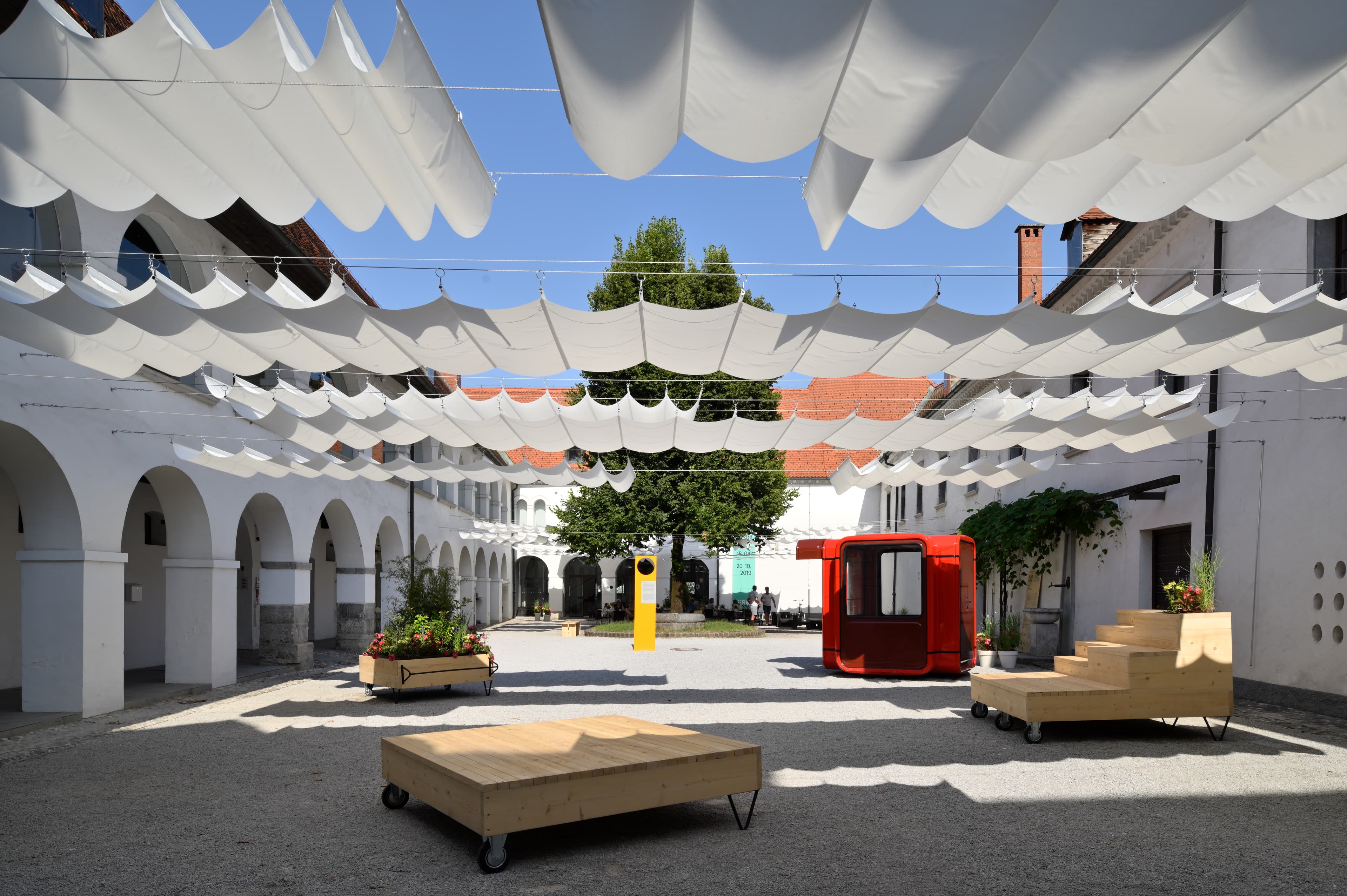
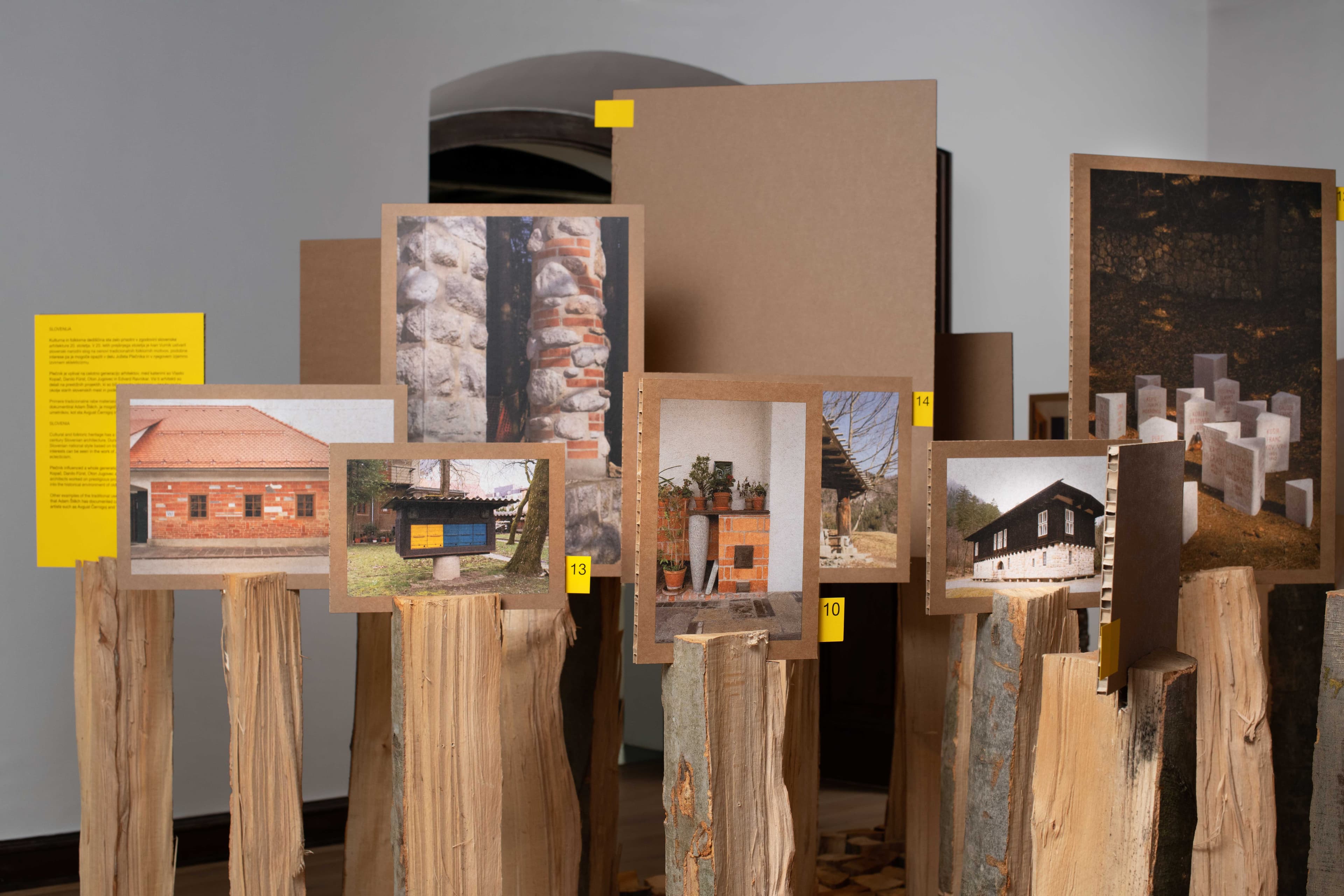
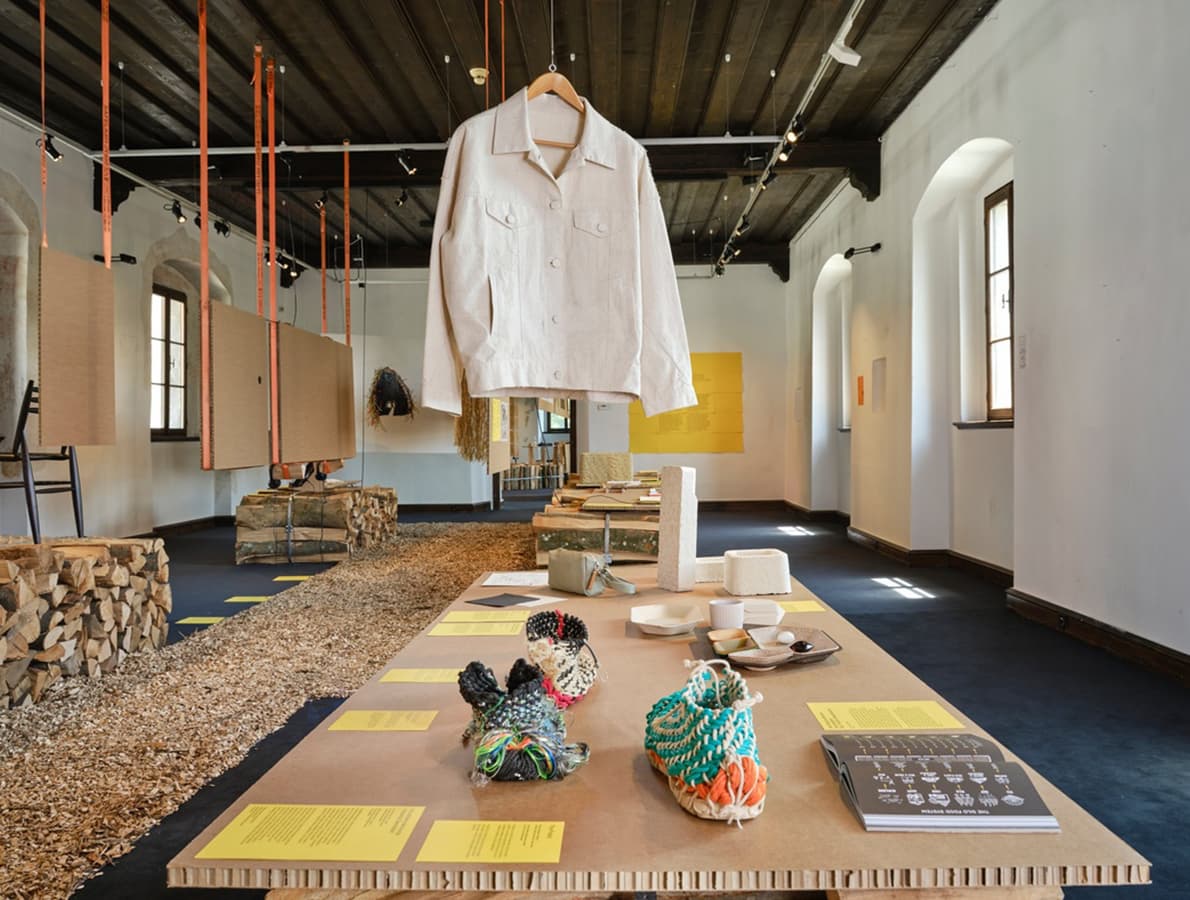
BIO 26 – Common Knowledge will be organized around a central exhibition of already existing projects that will be presented at MAO, and six major commissioned experimental projects by multidisciplinary teams selected through a designathon process. These will be displayed at and with partnering institutions central to knowledge production and dissemination, such as a museum, library, university, and news and media organization, as well as a botanical garden, retirement home, and similar.

Working with content, structures, and stakeholders, the 26th Biennial of Design in Ljubljana, BIO 26 – Common Knowledge, hopes to find ways, unearth projects, and explore concepts and systems that can serve to turn this disruptive chaos in and of information into creative knowledge clusters.

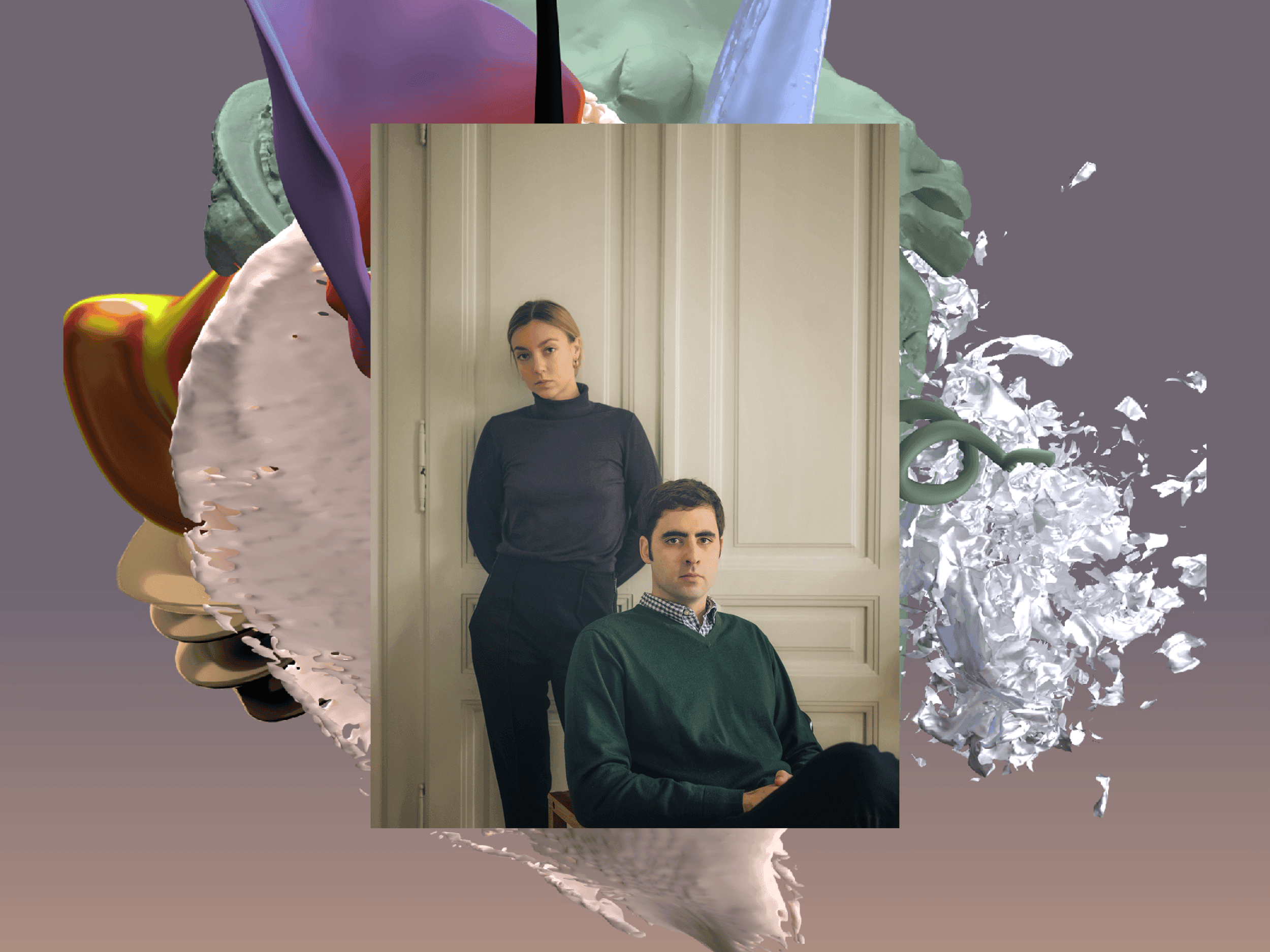
Curatorial Team

Thomas Geisler, Curator

Aline Lara Rezende, Assistant Curator

''The Ljubljana Design Biennial operates as an open platform for experimentation and cultural production, and I am looking forward to counterbalancing this experimental approach with a more practical perspective that will examine where current shifts in design can address one of the biggest challenges of our time: information.”

– Thomas Geisler, kustos BIO 26

Exhibition

1/6

Photo: Klemen Ilovar

Photo: Klemen Ilovar

Photo: Klemen Ilovar

Photo: Klemen Ilovar

Photo: Klemen Ilovar

Photo: Klemen Ilovar

Production Platform

BIO 26 addresses the pressing issues of our society’s primary institutions of knowledge production and transmission, namely a library, a museum, a university and a news media organization. Together, science, academia, the media, and journalism have been considered the four pillars of truth of western society since the Enlightenment. In addition to these four institutions, we have invited two more to be part of the designathon and to bring up their challenges for the creative community to hack: the botanical garden’s seed banks and a retirement home. At BIO 26, we believe that they also belong to the pillars of truth and knowledge in our society—the botanical garden with its invaluable knowledge of plants, seeds, and nature, and the retirement home with very experienced human beings, full of life histories and knowledge to share.

Challenges #1: Library: Old Structures, New Functions

Serendipity Searcher is an interdisciplinary project by an international group of designers and researchers (Thomas Hügin, Maja Kolar, Yuxi Liu, Boris Smeenk), led by Špela Pavli Perko, who were challenged to redesign the old structures and propose new spatial solutions, organizational forms and services that will facilitate the transmission of information to the modern library user. Combining a spatial installation, machine learning, and human agency, the project reveals, selects, and searches for visual relations among the library’s holdings. Inspired by the architectural ideals of Jože Plečnik, the installation encourages the public to explore the hidden stories of the library archive through curiosity and interaction.
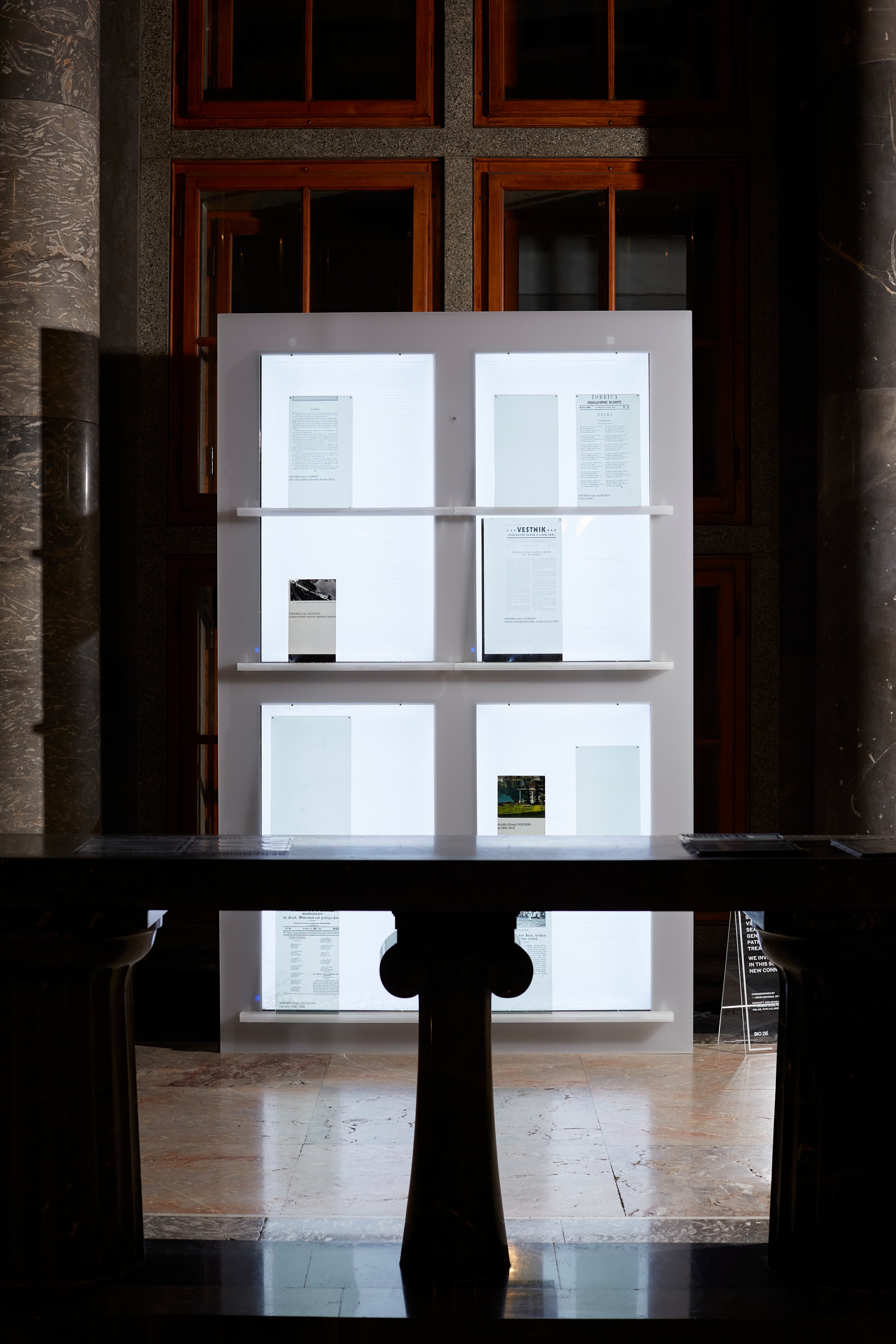
Challenges #1: Library: Old Structures, New Functions

Challenges #2: Museum: A Meaningful Online/Offline Experience

Bodies of Knowledge is an interdisciplinary project led by Matevž Strauss and developed in collaboration with the Temporary Slovenian Dance Archive by Rok Vevar, part of +MSUM. It is the work of an international group of creators, including Cyrus Clarke, Giulia Cordin, Juliana Lewis, Luigi Savio and Monika Seyfried. The project's challenge is to make digital data accessible not only as searchable information, but also as a physical experience. The aim is to encourage the public to engage with and understand archives and collections better. Designed as an interactive "playable archive" installation, the project explores innovative methods of accessing museum collections by merging physical and digital spaces. This allows visitors to explore the archive through movement, while also contributing to its content. The installation transforms the archive from a place where knowledge is retrieved to a place where knowledge is produced, combining documents and exhibited artefacts to create new compositions.
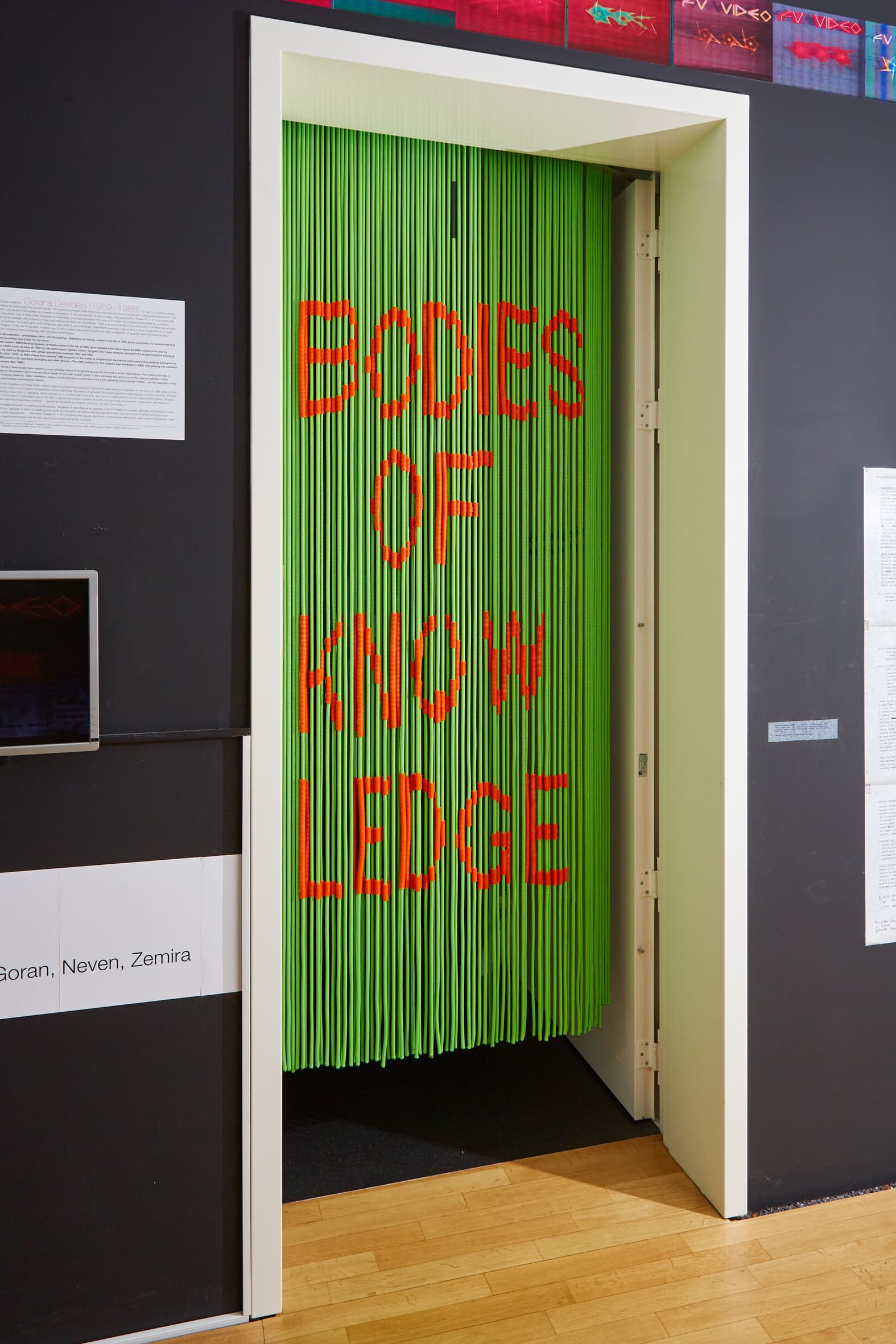
Challenges #2: Museum: A Meaningful Online/Offline Experience

Challenges #3: University: Toward New Learning Ergonomics

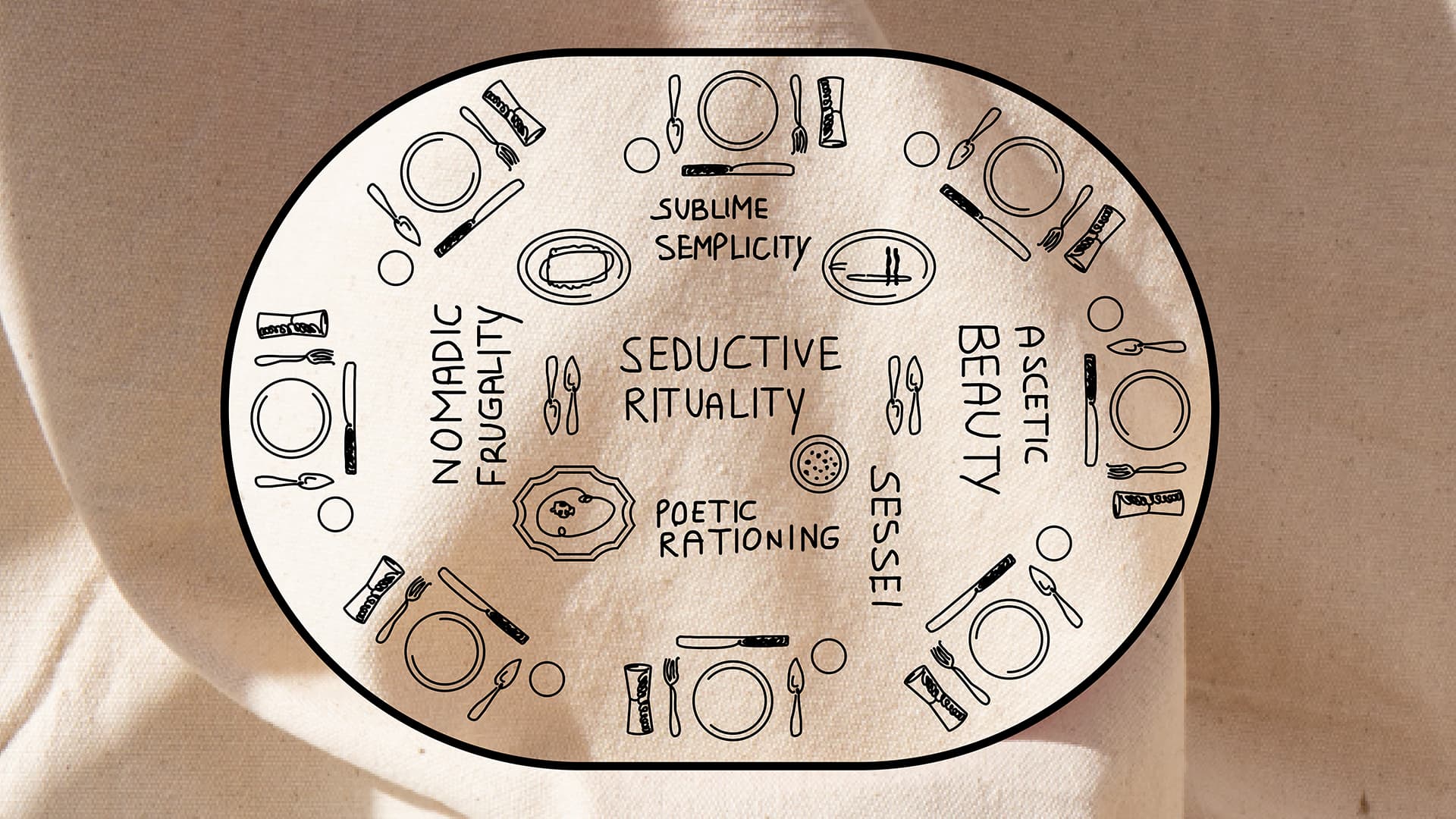
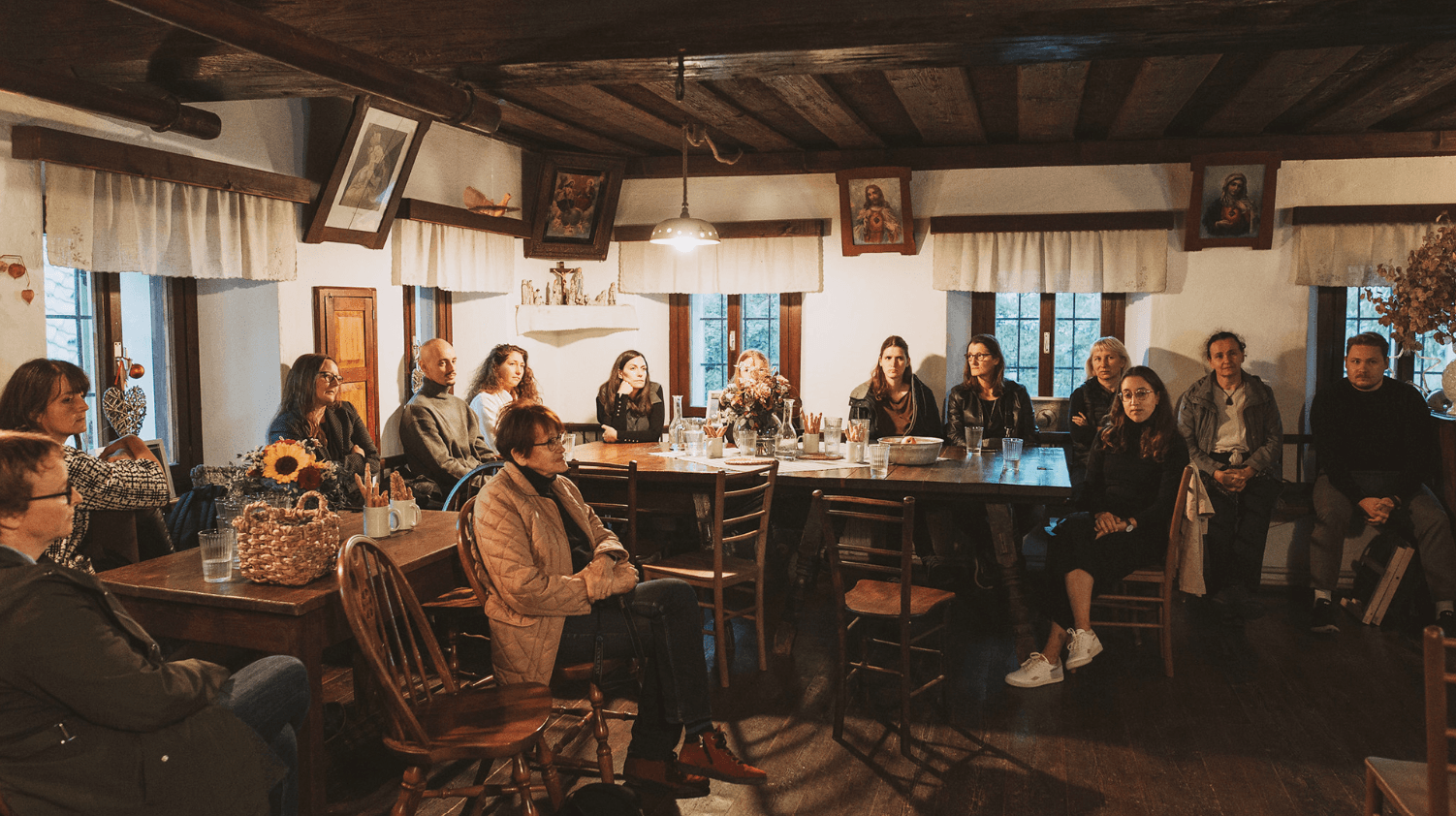
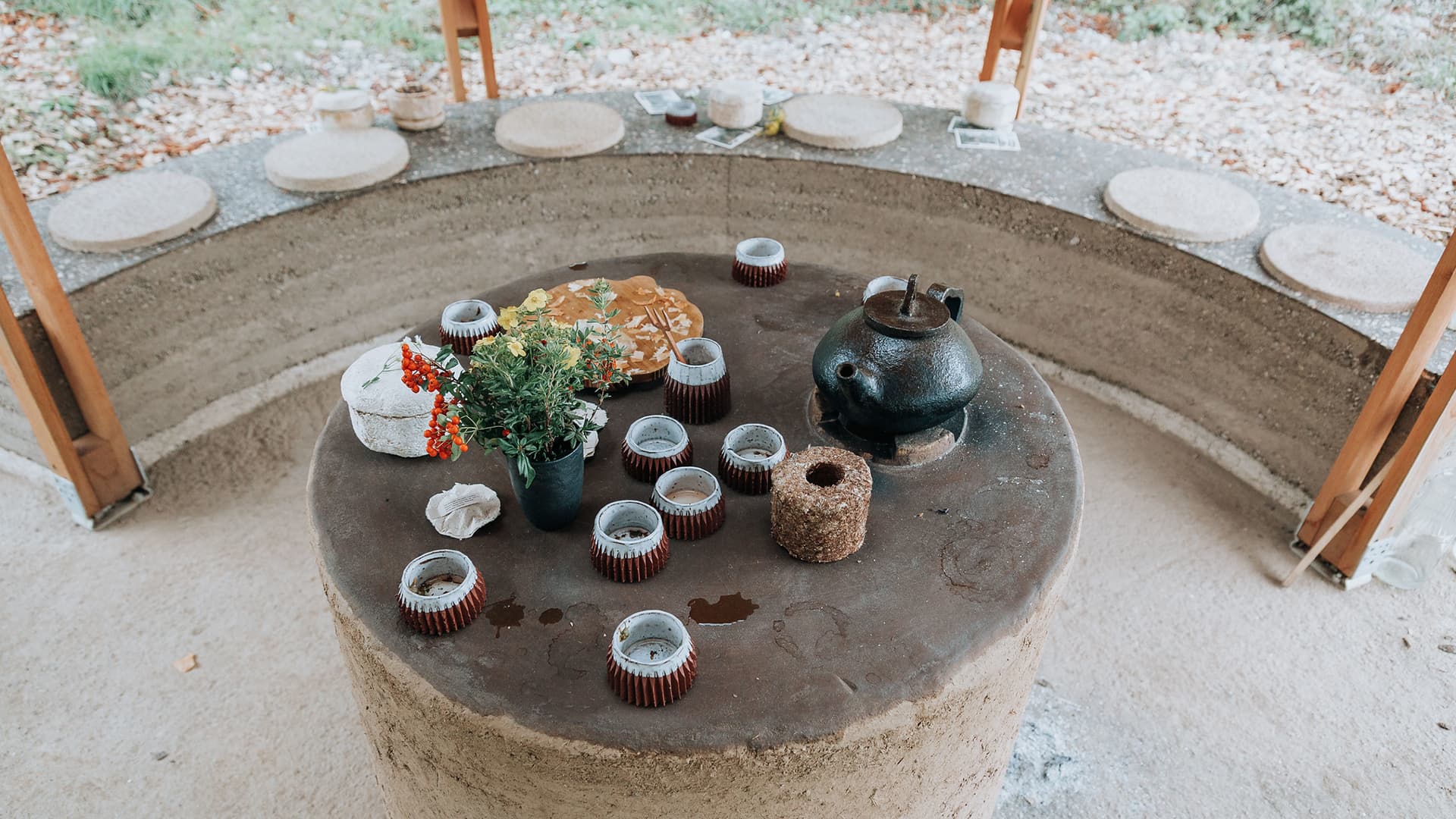
Course K is an interdisciplinary project by an international group of creators (Gențiana Dumitrașcu, Adrian Judt, Simon Platzgummer, Andreja Pogačar), led by Janja Štorgelj and developed in collaboration with the University of Ljubljana. The university, as a community focal point for knowledge, serves as the basis for re-examining the traditional pedagogy and scholarship, and questioning how and where learning and teaching could take place. The project explores innovative and creative approaches to use existing infrastructure and combine online and offline environments in order to promote teamwork, community building, and civic and professional agency of students. A nomadic kitchen with an original mashup curriculum becomes a testing ground to rethink educational practices and proposes a new tool for a horizontal, non-hierarchical exchange of knowledge. By introducing activities such as cooking and eating together during “class”, and by moving from faculty to faculty on the university’s city campus, the project creates a social hub and informal learning space as well as a cross-disciplinary educational environment and performative space for the broader public.
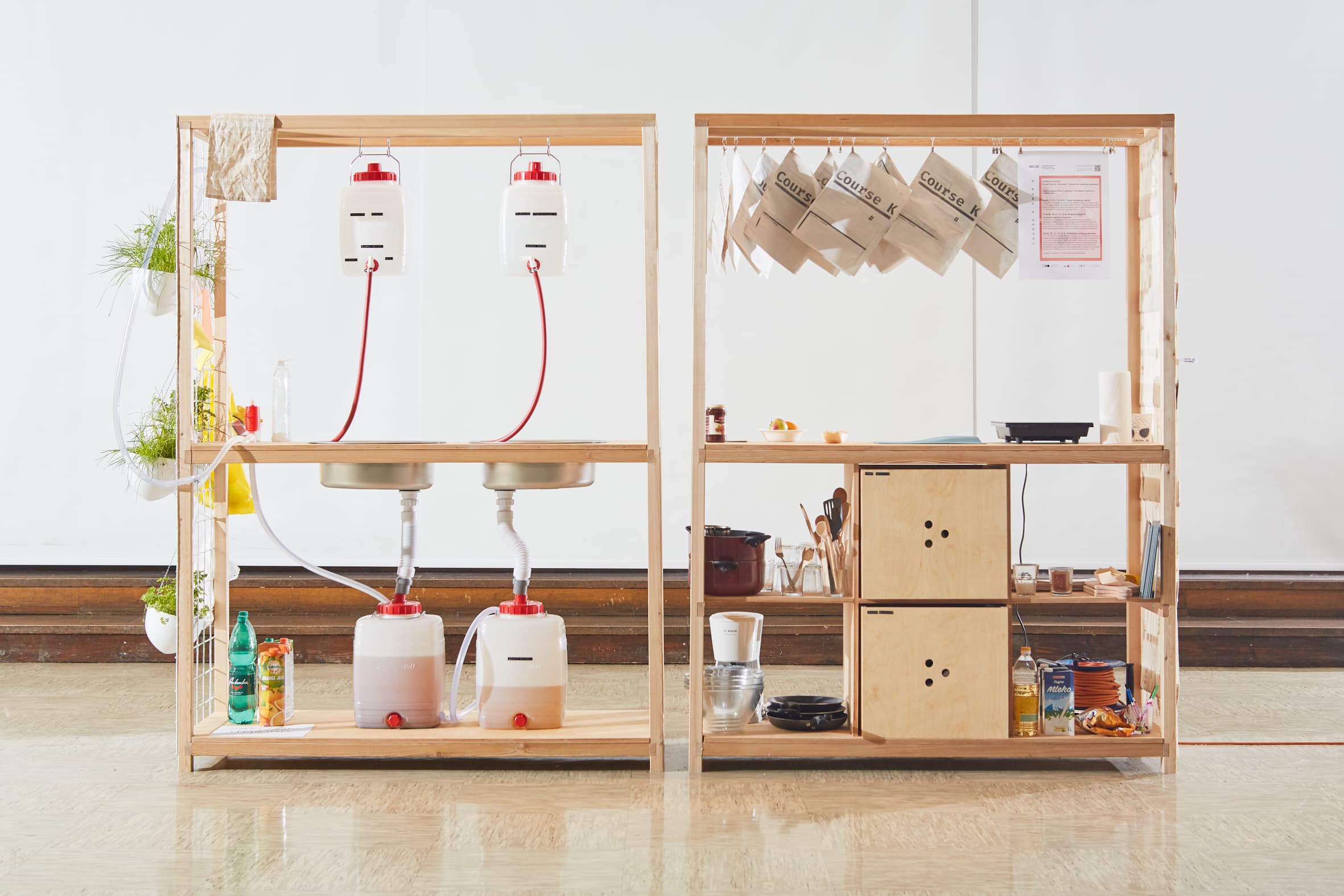
Challenges #3: University: Toward New Learning Ergonomics

Challenges #4: Retirement Home. An Academy of Life

Rethinking Retirement/Academy of Life is an interdisciplinary project led by Barbara Peterec and developed in collaboration with the Fužine Retirement Home. It is the work of an international group of creators: Guendalina Ballerini, Rebecca Carrai, Natalia Skoczylas and Elizaveta Strakhova. Through design and ethnographic research consisting of surveys, spatial interventions and props, the project encourages reflection on retirement and ageing, and promotes intergenerational exchange. Presented in two locations — the Museum of Architecture and Design and the Fužine Retirement Home — the project challenges norms and preconceptions surrounding retirement, creating opportunities to discover the knowledge and life experiences of older people and encouraging their active participation in society.
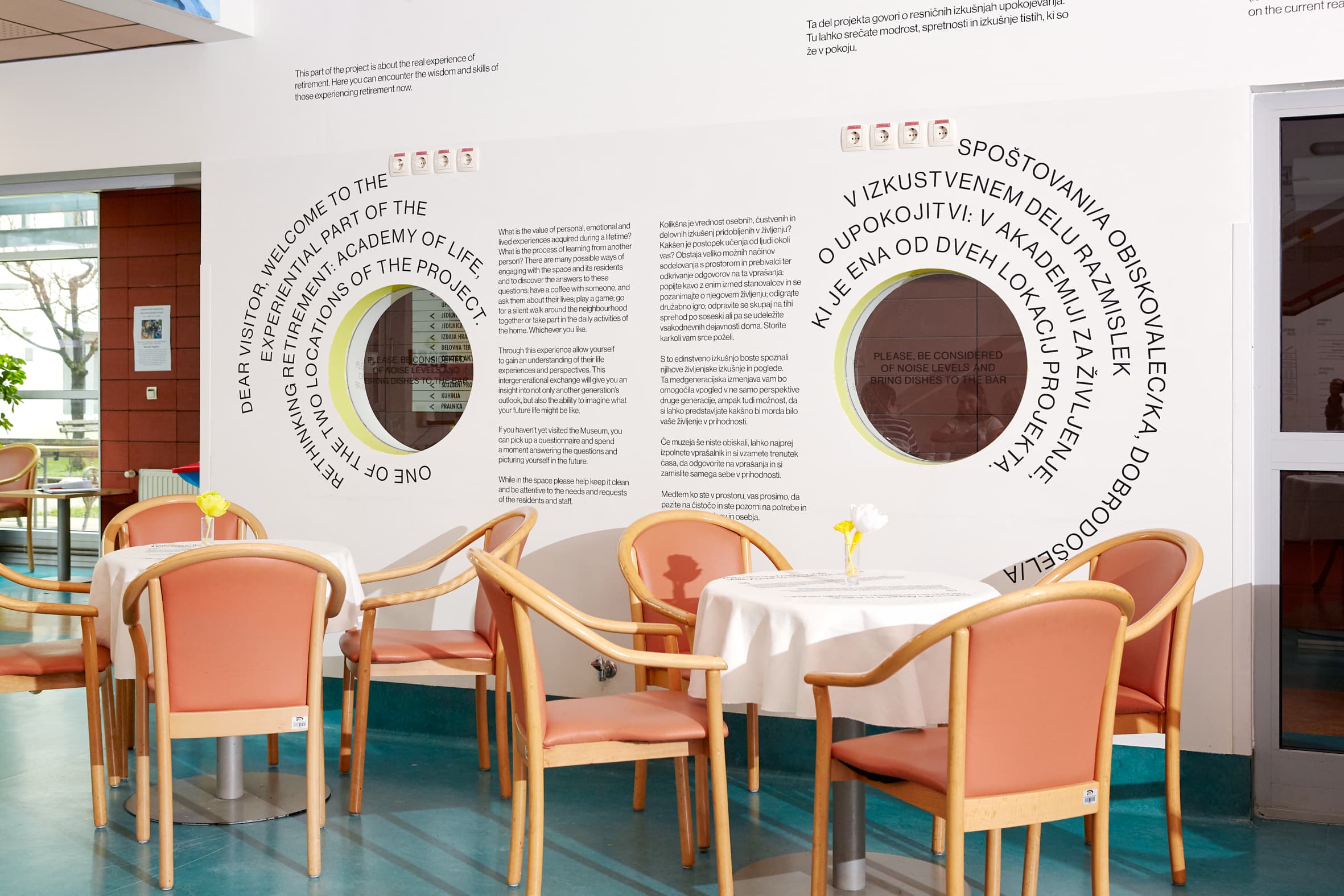
Challenges #4: Retirement Home. An Academy of Life

Challenges #5: Botanical Garden: Connecting Plants and People

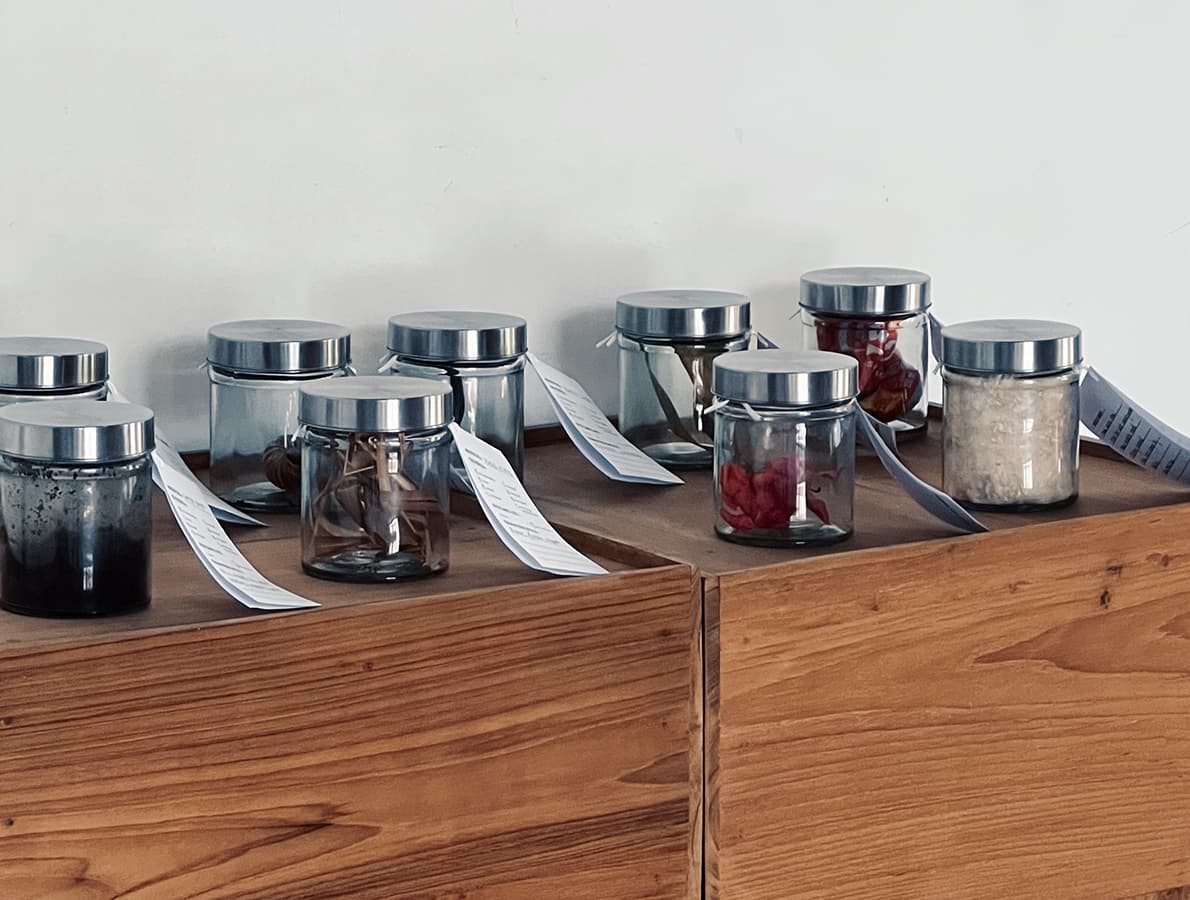
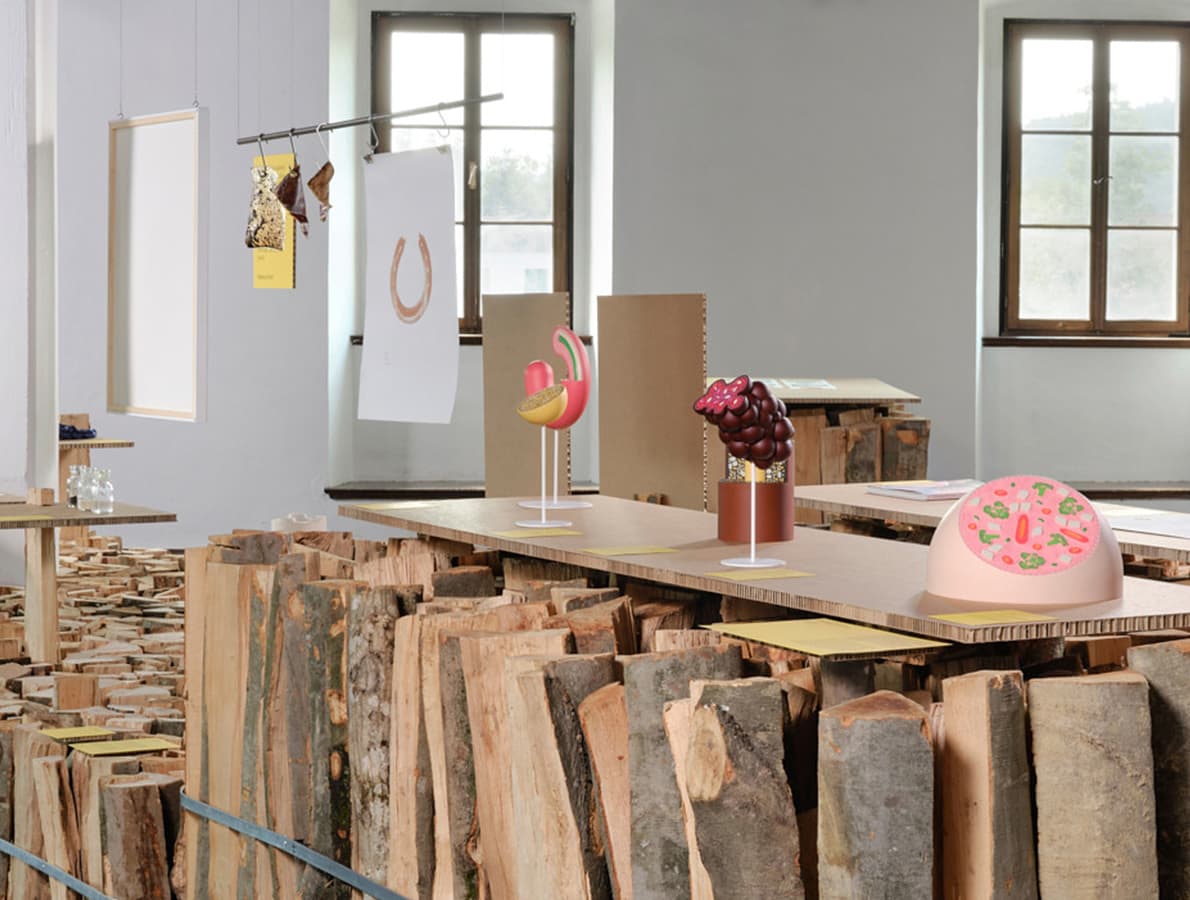
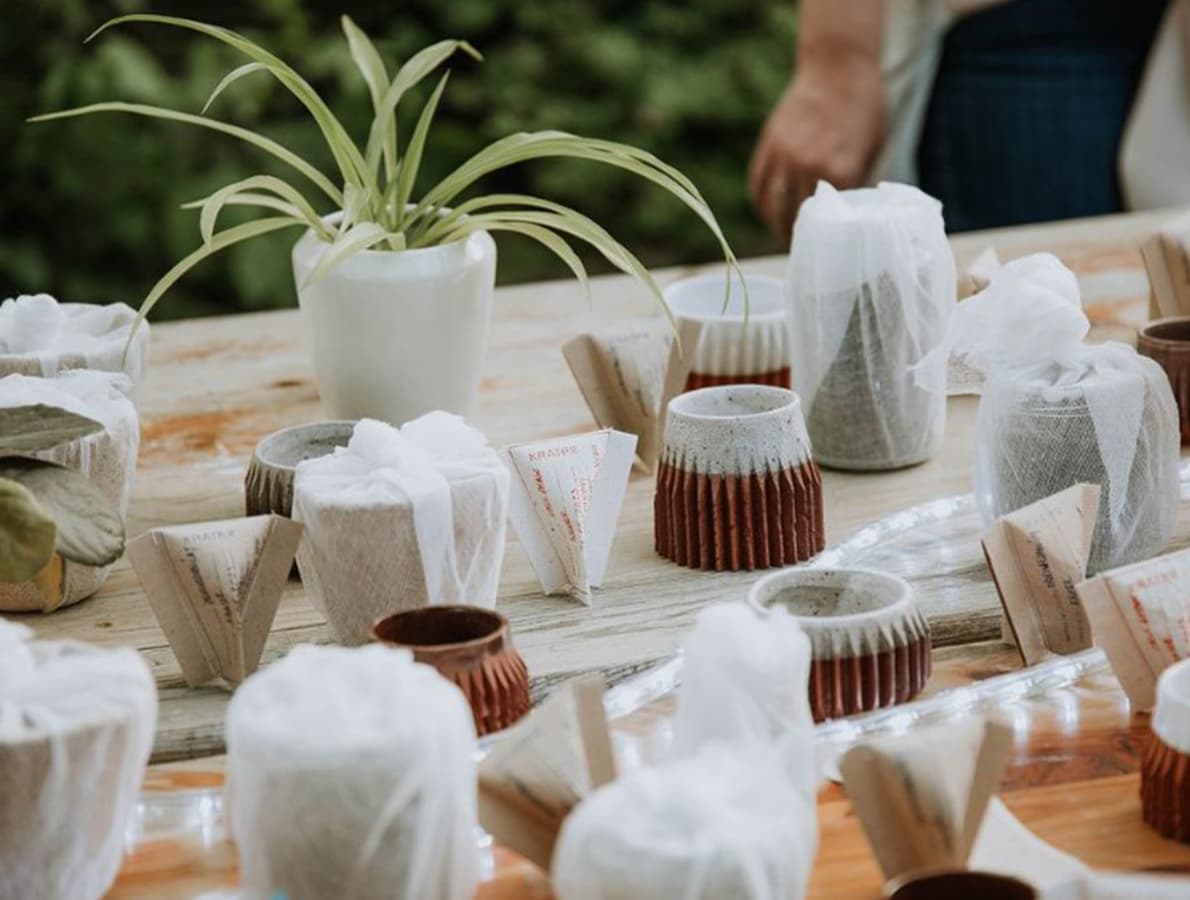
Mur-Mur-Murs from the Hi-Hi-Hills: How to Understand Reflected Echoes from the Forest is a project by the collective Krzak (Eliza Chojnacka, Kamila Kantek, Olga Roszkowska, Pola Salicka, Gabriela Szalanska), led by Simona Volaj Rakušček and developed in collaboration with the Botanical Garden of the University of Ljubljana. The project responds to the challenge of opening botanical knowledge to a broader public and, through the expansion of the Index seminum—a seed catalogue, transforms the botanical garden from a repository of scientific knowledge into a place of learning and awareness. By introducing interactive objects, sounds and words in the Botanical Garden, the project proposes sensorial and emotional engagement with the plants in an otherwise scientific, data-driven environment. Bringing together playfulness, imagination and humour, the installation offers different ways of understanding the garden as an assemblage of stories, materials, flows, anecdotes, relationships, smells, sounds, memories, and futures.
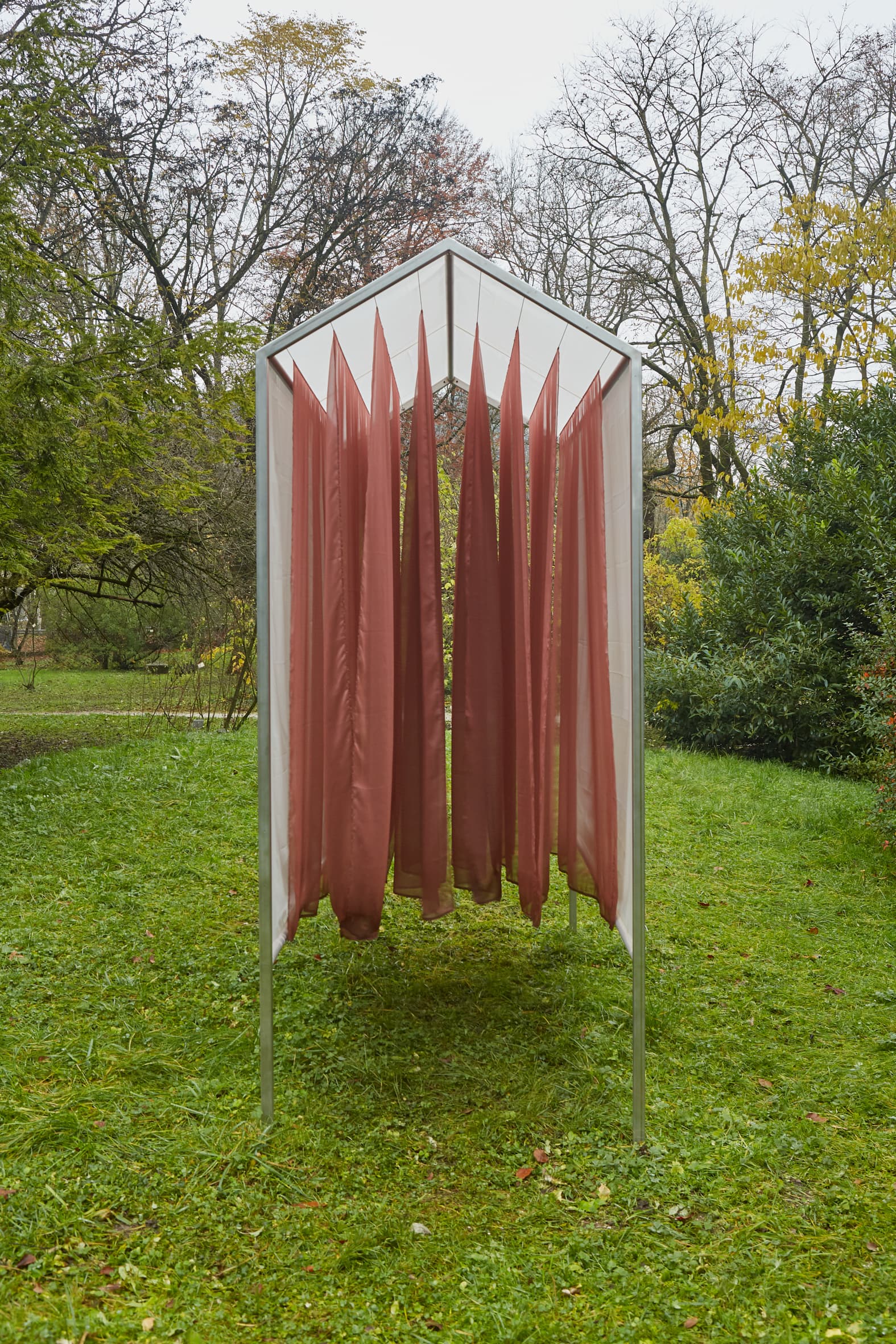
Challenges #5: Botanical Garden: Connecting Plants and People

Challenges #6: Newspaper: Media Credibility and Its Discontents

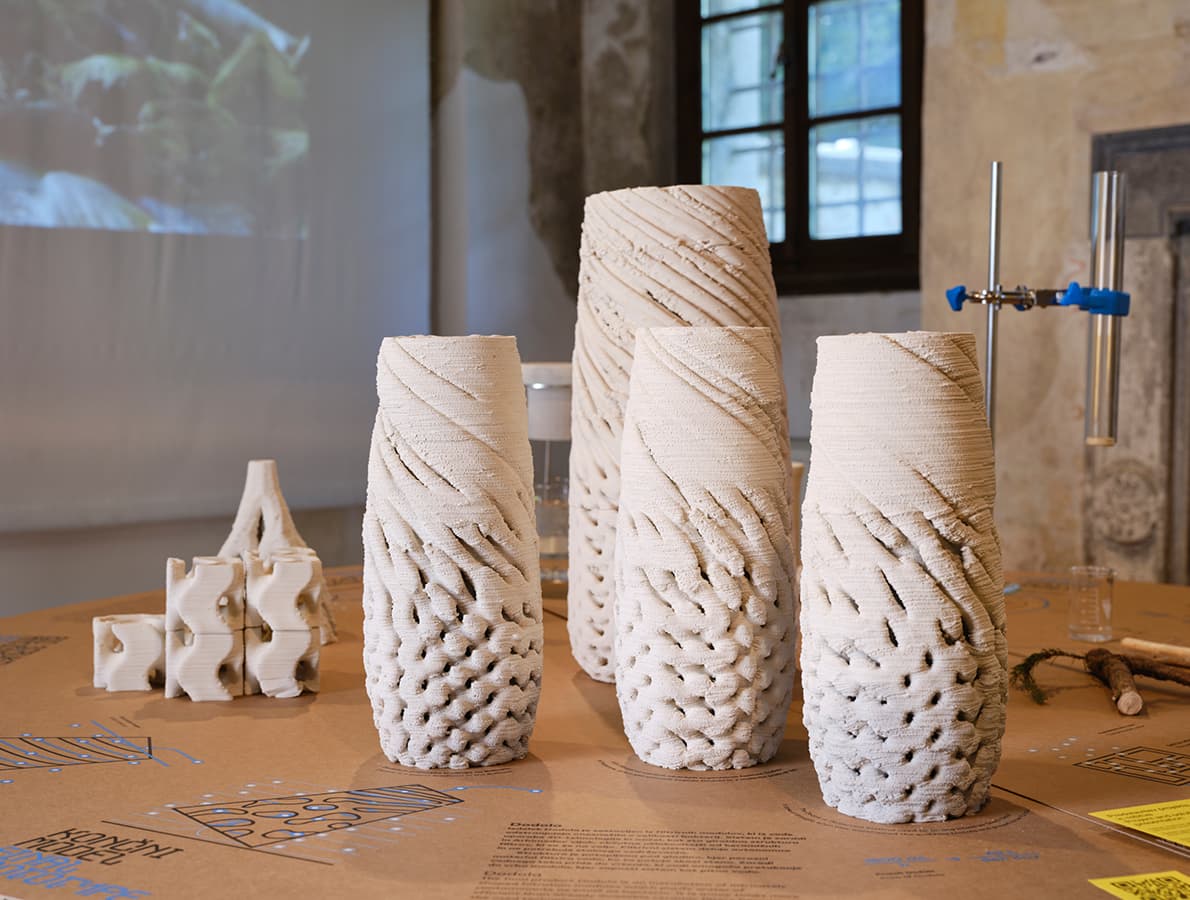
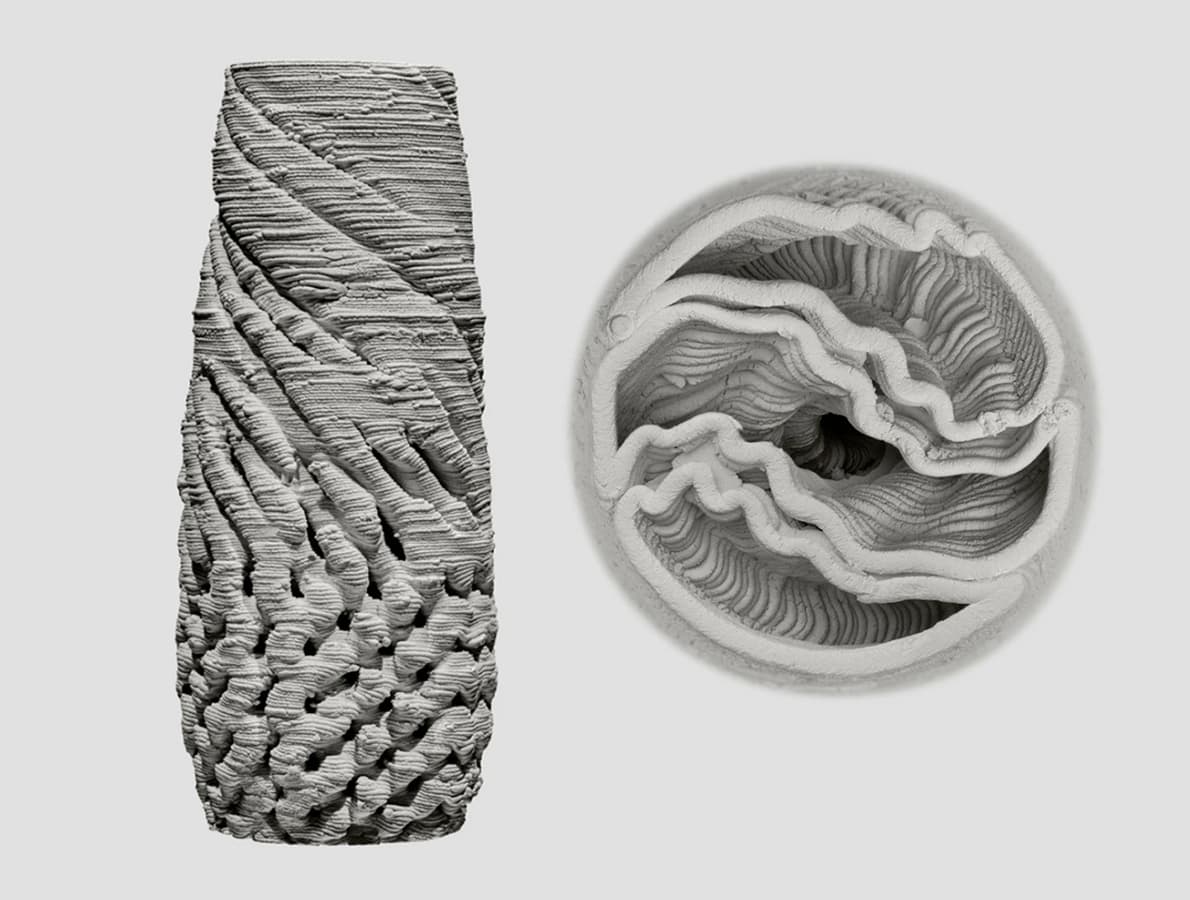
Delo Lab: Your Stories Make Our Common History is an interdisciplinary project by an international group of creators (Maxime Benvenuto, Petra Matić, Mateja Mlinarič, José Tomás Pérez Valle, Zuzanna Zgierska), led by Jurka Mihelin and developed in collaboration with the newspaper Delo. The project responds to the credibility of the information we receive online and the position of quality journalism in the digital environment. Delo Lab is an open collaborative research platform rebuilding collective memory that seeks to create new narratives, rediscover common history and reconnect the community. The newspaper archive is opened to the community, while audience feedback is used to improve the collections with previously unpublished stories and information. Audience members are given the opportunity to tell their personal histories and exchange their perspectives, which are then placed within the greater narrative of the community.

Challenges #6: Newspaper: Media Credibility and Its Discontents

ACCOMPANYING PROJECTS

BIO 26 | Common Knowledge

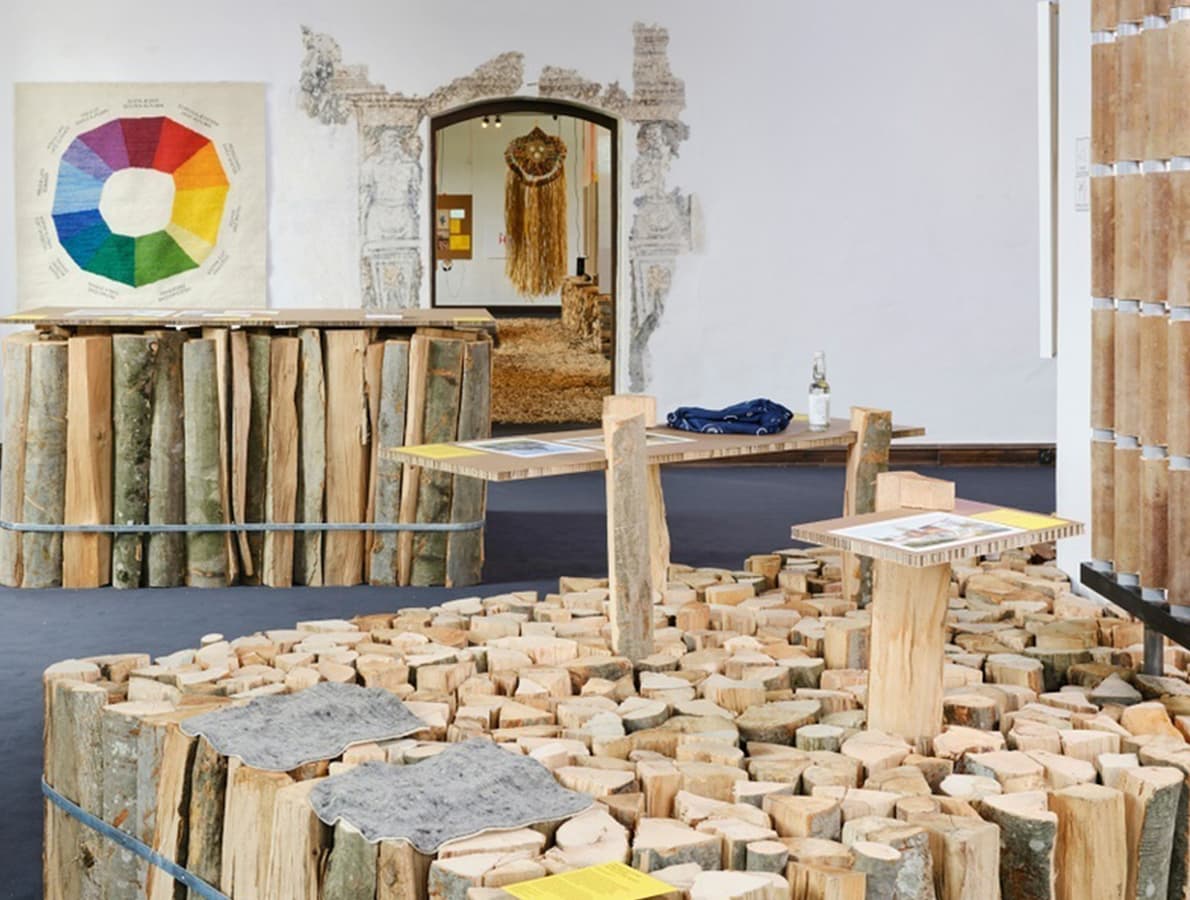
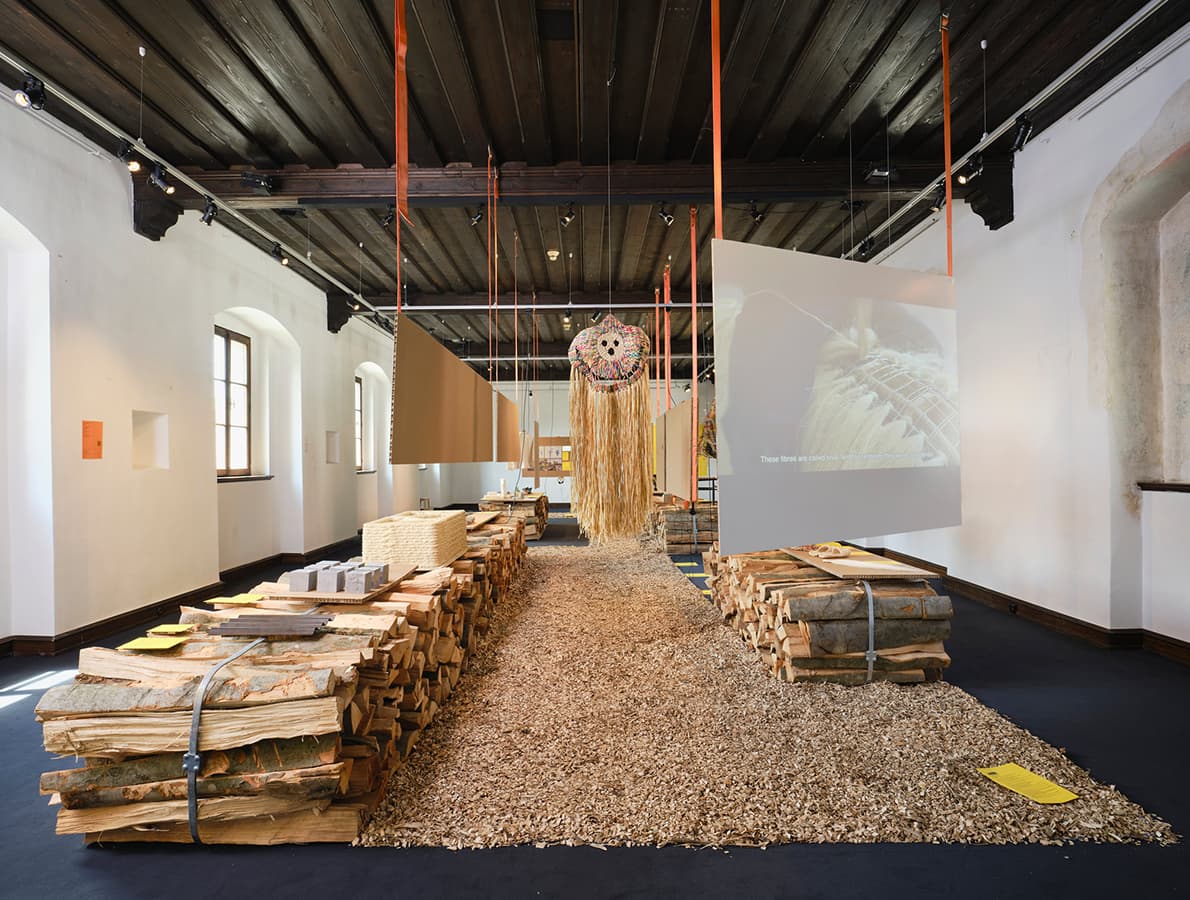
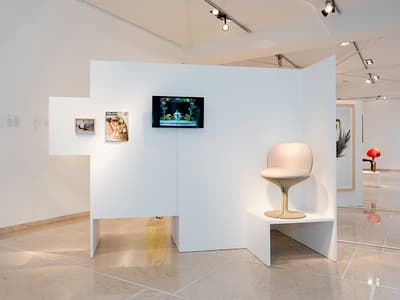
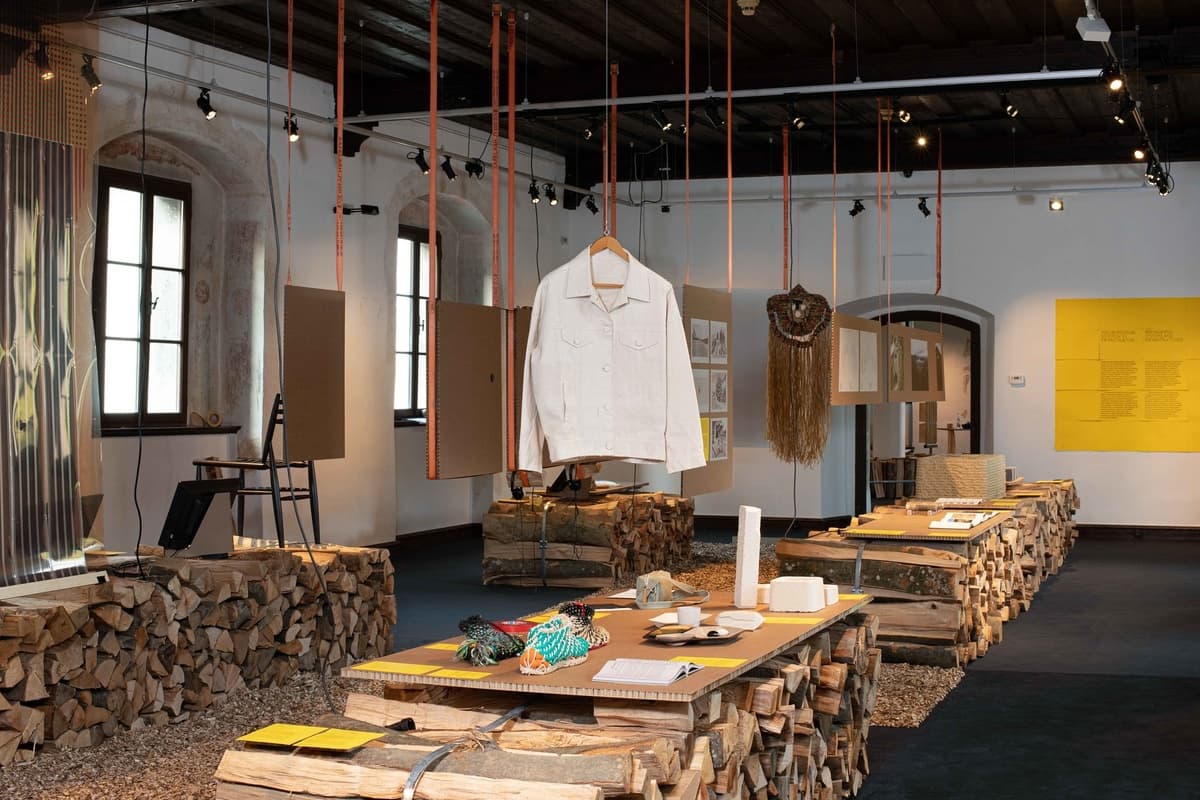
Exhibition, MAO, 14 November 2019–23 February 2020 Curators: Thomas Geisler and Aline Lara Rezende Photo: Klemen Ilovar
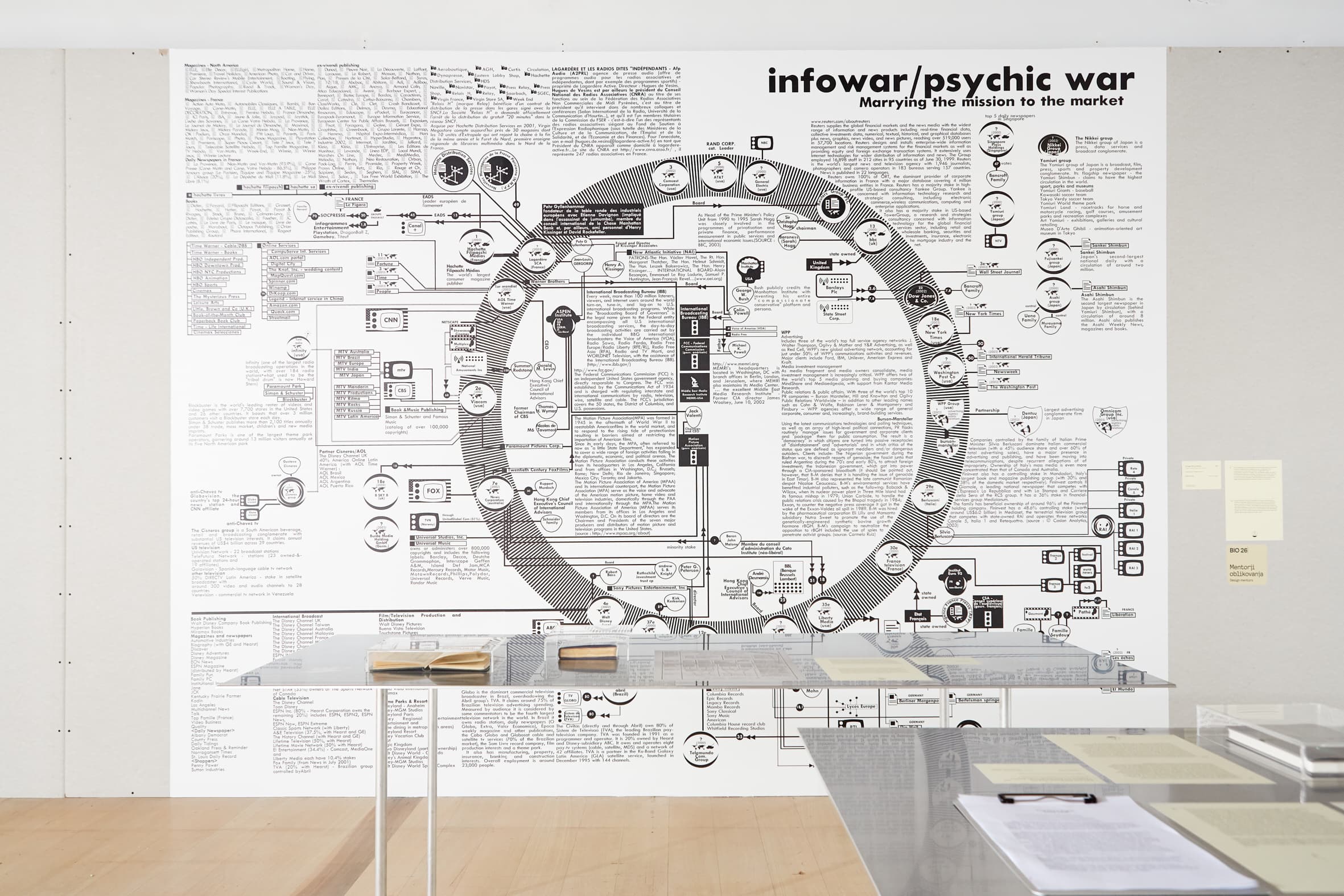
BIO 26 | Common Knowledge

BIO 26 | Open Knowledge: Presentation of Projects Developed within the BIO 26 Production Platform

National and University Library (NUK), Museum of Contemporary Art Metelkova (+MSUM), University of Ljubljana, Fužine Retirement Home, University Botanic Gardens Ljubljana, Delo, 14 November 2019–9 February 2020 Curator: Thomas Geisler; assistant curator: Aline Lara Rezende Photo: Janez Klenovšek
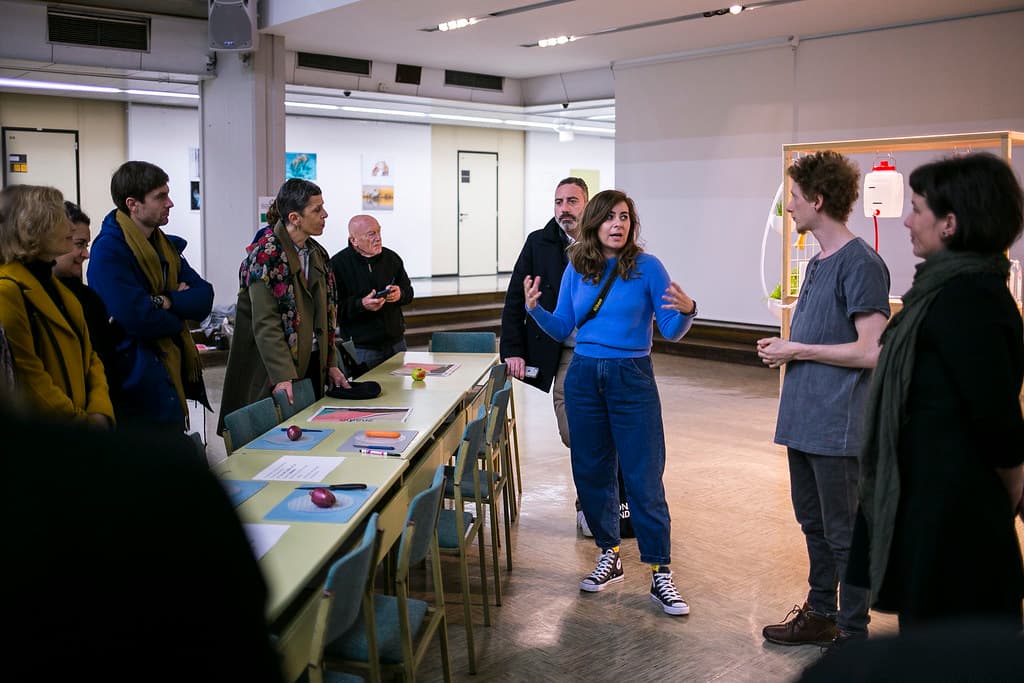
BIO 26 | Open Knowledge: Presentation of Projects Developed within the BIO 26 Production Platform

Shared Knowledge

Exhibition, Ajdovščina Underpass, 14 November 2019–9 February 2020 Curator: Thomas Geisler; assistant curator: Aline Lara Rezende Photo: Janez Klenovšek
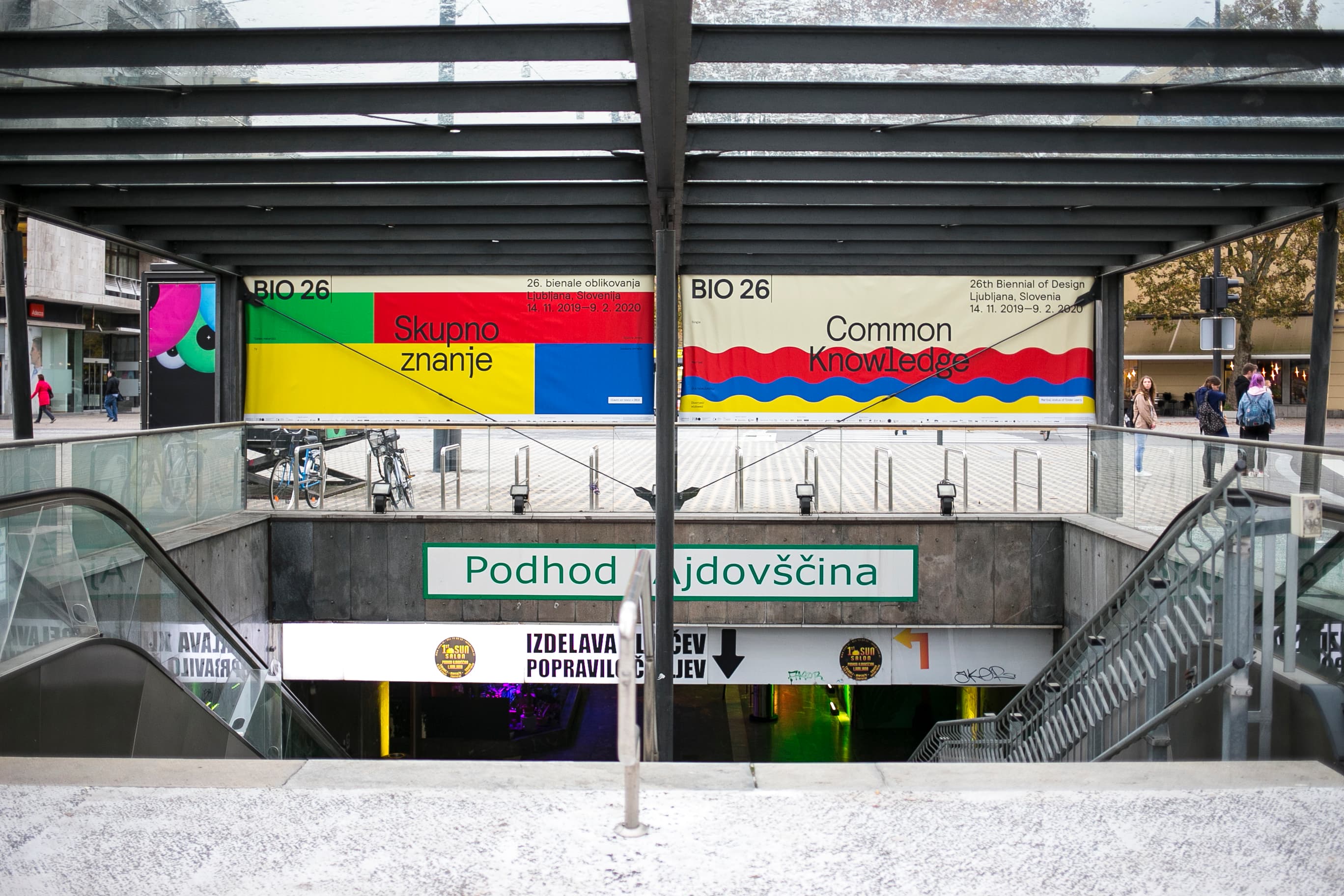
Shared Knowledge

The Data and the Sovereign

Exhibition, Kresija Gallery 16 January–9 February 2020 Curator: Lívia Nolasco-Rózsás (ZKM Karlsruhe)
The Data and the Sovereign

Reconstrained Futures: Speculative Design Education

Exhibition Curators: Ivica Mitrović and Oleg Šuran
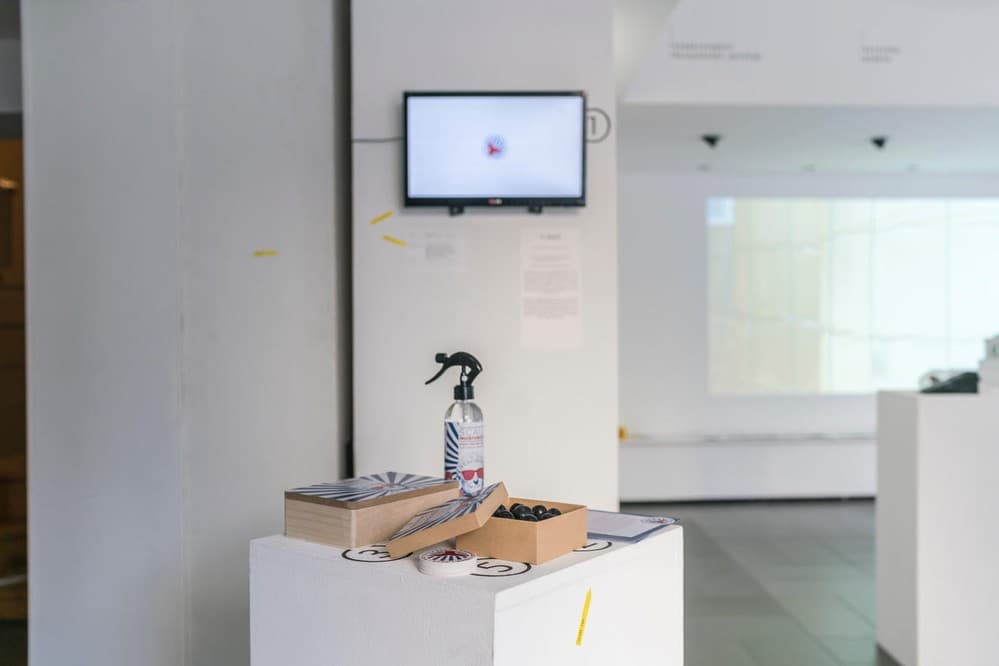
Reconstrained Futures: Speculative Design Education

The Random Machine

Exhibition, author: Carlos Campos Location: Glass Atrium of the City Hall 13 November–8 December 2019
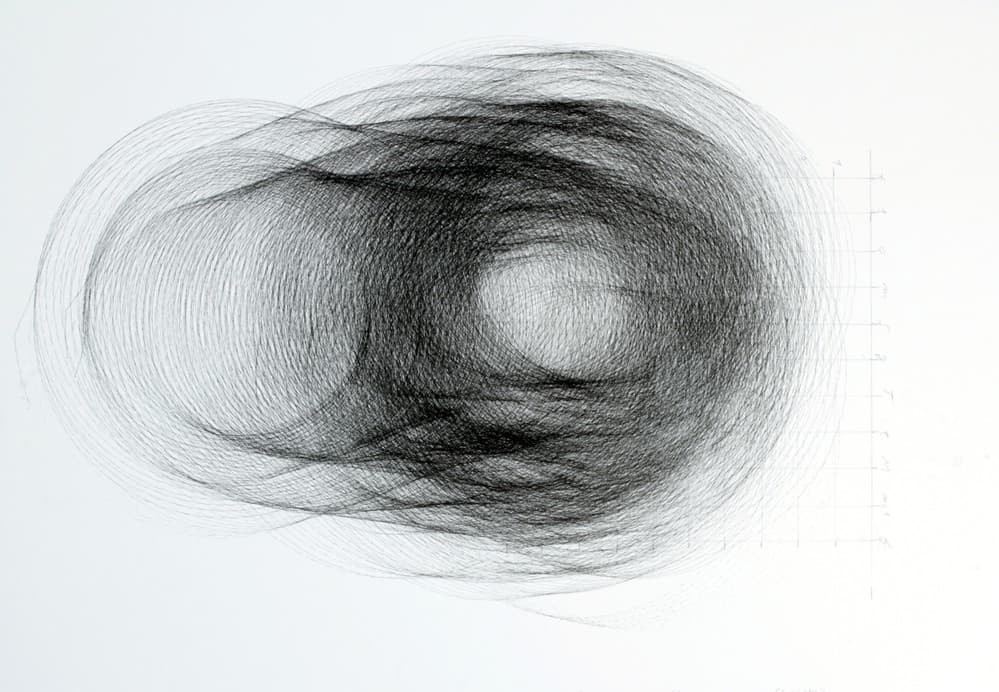
The Random Machine

Dust Chambers

Exhibition, author: Adam Hudec Location: Glass Atrium of the City Hall 12 December 2019–5 January 2020
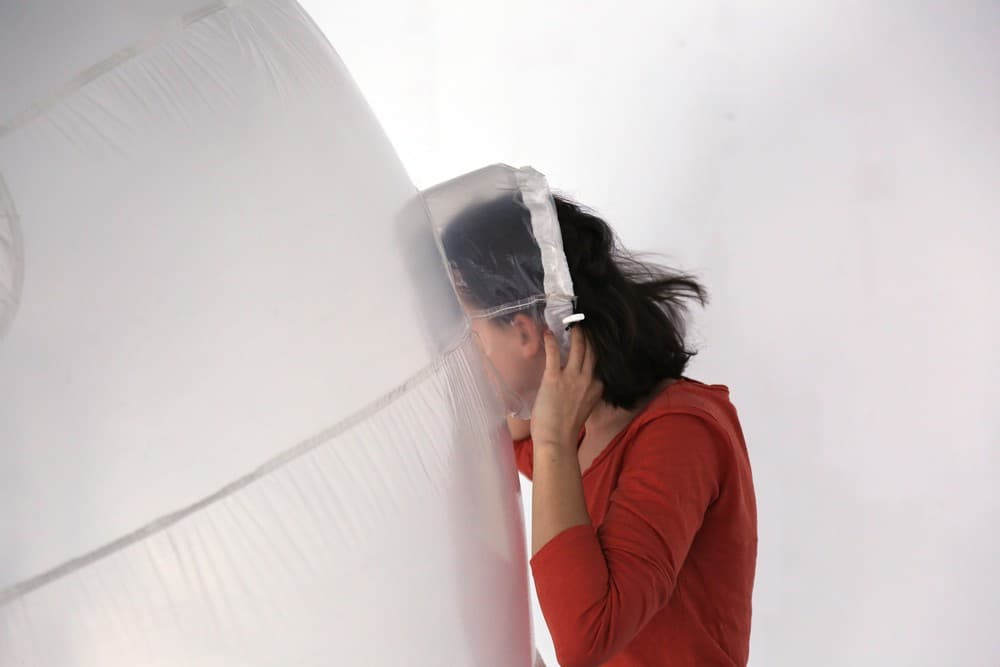
Dust Chambers

FILM PROJECTION – Film and Technology: Power of Data

Goethe-Institut Ljubljana and Slovenian Cinematheque. A cycle of films produced between 1986 and 2019: Wie man sieht(Harun Farocki, 1986), Face_It! (Gerd Conradt, 2019), The Cleaners (Hans Block and Moritz Riesewieck, 2017), and Das Netz (Lutz Dammbeck, 2004).
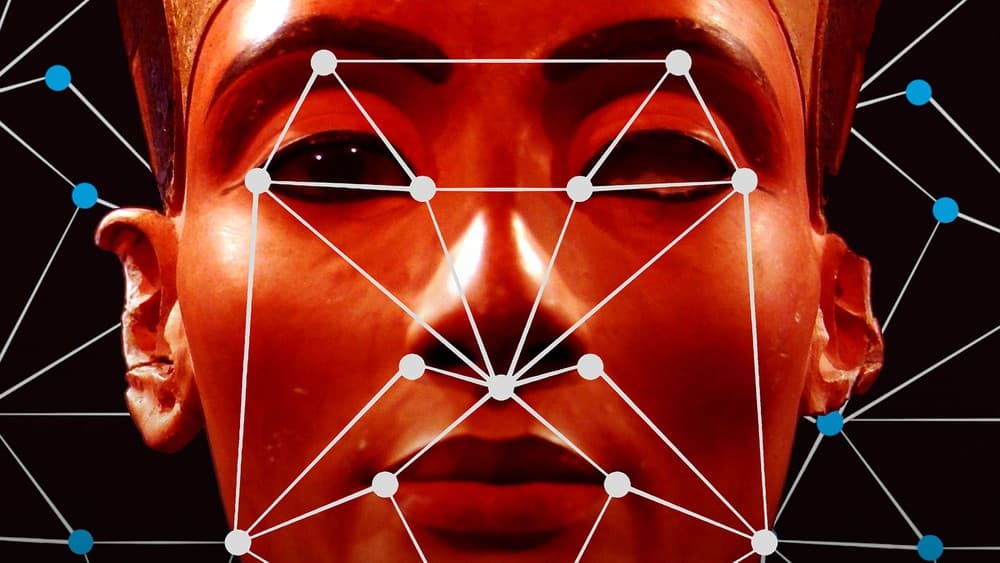
FILM PROJECTION – Film and Technology: Power of Data

BIO 26 Talks

BIO 26 Talks is a series of dynamic round-tables conversations with invited guests from fields as diverse as science, philosophy, law, journalism, politics and design to explore the complexity of the biennial’s theme and exhibition. Led by the curators, each talk will be divided into two 30 minute sessions with a Q&A at the end. Location: Museum of Architecture and Design (MAO) and Ajdovščina Underpass, Ljubljana Photo: Janez Klenovšek
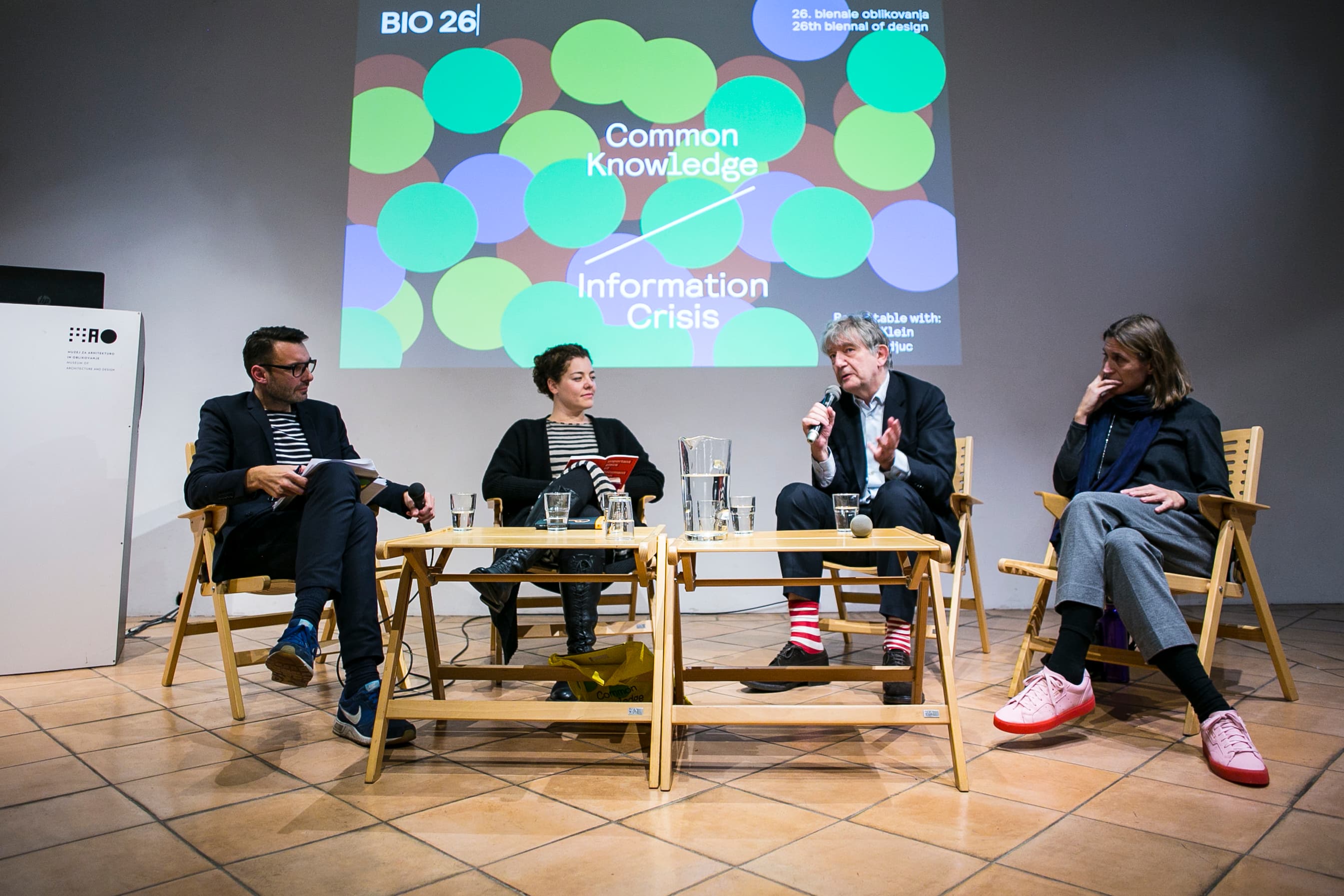
BIO 26 Talks

Talk #1 | Information Crisis & Knowledge Participants: Thomas Geisler, Aline Lara Rezende, Amelie Klein, Deyan Sudjic, Maja Vardjan, Paola Patelli and Aljoša Dekleva Location: Museum of Architecture and Design (MAO) Talk #2 | Information Participants: Angelique Spaninks, Aljaž Vindiš, Katarina Bulatović and dr. Aleš Pustovrh. Location: Ajdovščina Underpass Talk #3 | Data Participants: Livia Nolasco-Rózsás, Kim Albrecht, Sara Božanić, Vladan Joler Location: Ajdovščina Underpass Talk #4 | Wisdom Participants: Alice Rawsthorn, Paola Antonelli, Matevž Čelik Vidmar, Tina Gregorič and Aljoša Dekleva Location: Museum of Architecture and Design (MAO)

Shared Knowledge: Project Presentation

Shared Knowledge is the title of the accompanying program of BIO 26| Common Knowledge, that combines the projects, that were chosen on the open call. The projects' presentations will provide focus on different questions and issues regarding the themes of the biennial, common knowledge and information crisis.
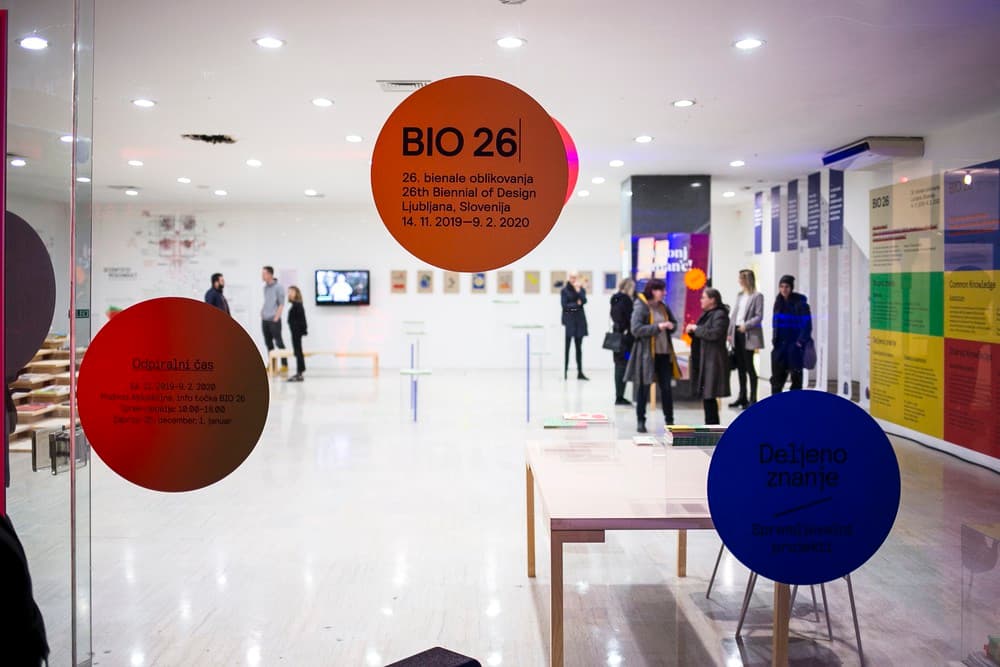
Shared Knowledge: Project Presentation

Presented projects: 1. Fernanda Curi: Shared Knowledge 2. Lionel Esche (Kollektiv A): Housing the Common 3. Pika Žvan, Naadira Patel, Adrian Friend, Gregor Pogačnik: Frameworks 4. Milica Ćebić: Noesis 5. Mashoni, Oštro: Razkrinkavanje.si 6. Tomaso Marcolla: Poster. Journey of images through present 7. SURS: Statistically speaking - Exhibition at the 75th anniversary of the Statistical Office 8. Ljudje in cooperation with Modra Insurance Company and Fužine Retirement Home: Nice Project 9. Alex Gehlen: Sevenclicks 10. Speculative Edu: Re-constrained Futures 11. Franca Formenti, Evelyn Leveghi: Pr(o)vacy 12. Akiko Takahashi: Bean Necklace 13. Sanctuary for Abandoned Plants: Green Refuge Locations: Ajdovščina Underpass, Ljubljana
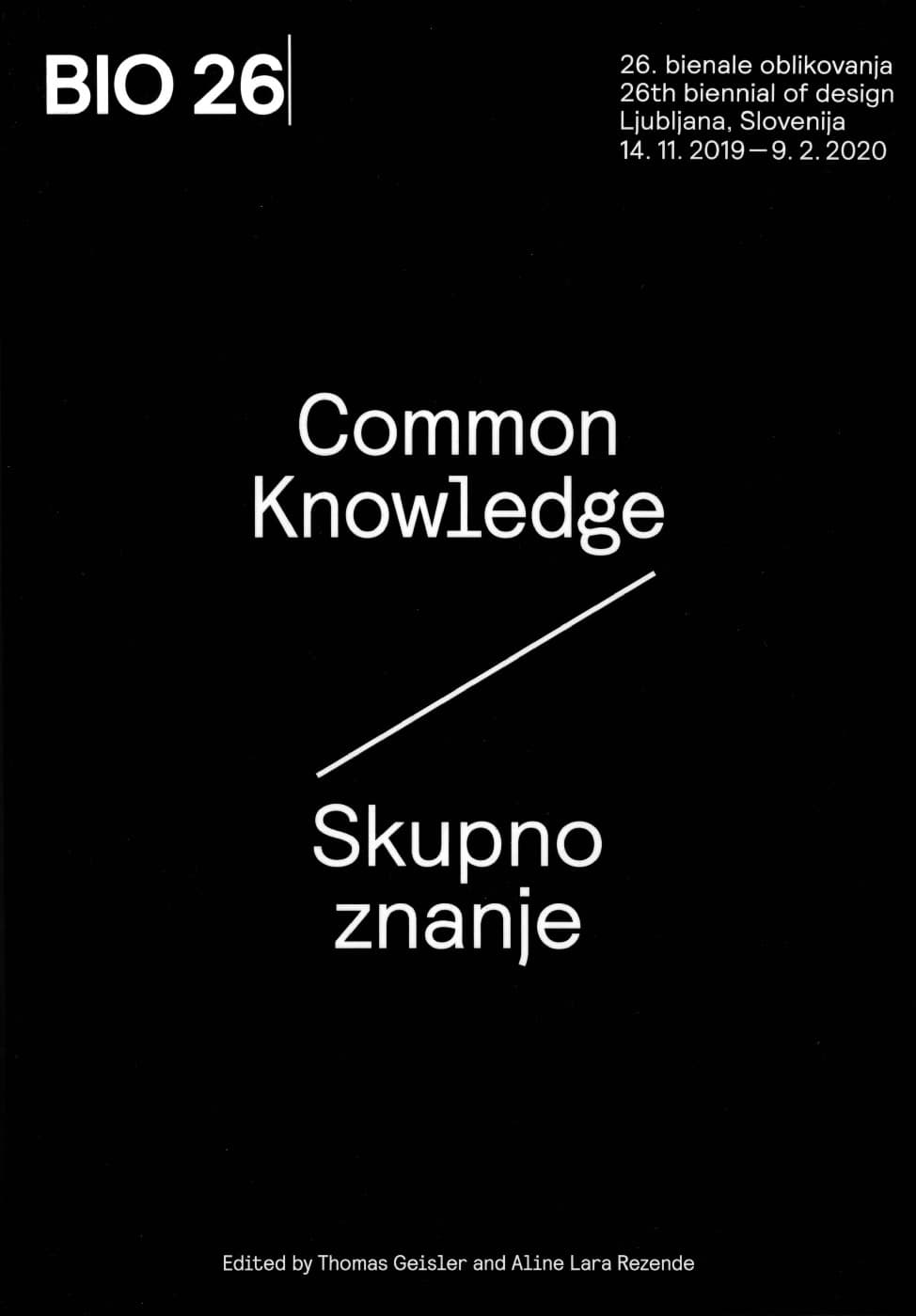
Publication

Foto: Klemen Ilovar / MAO

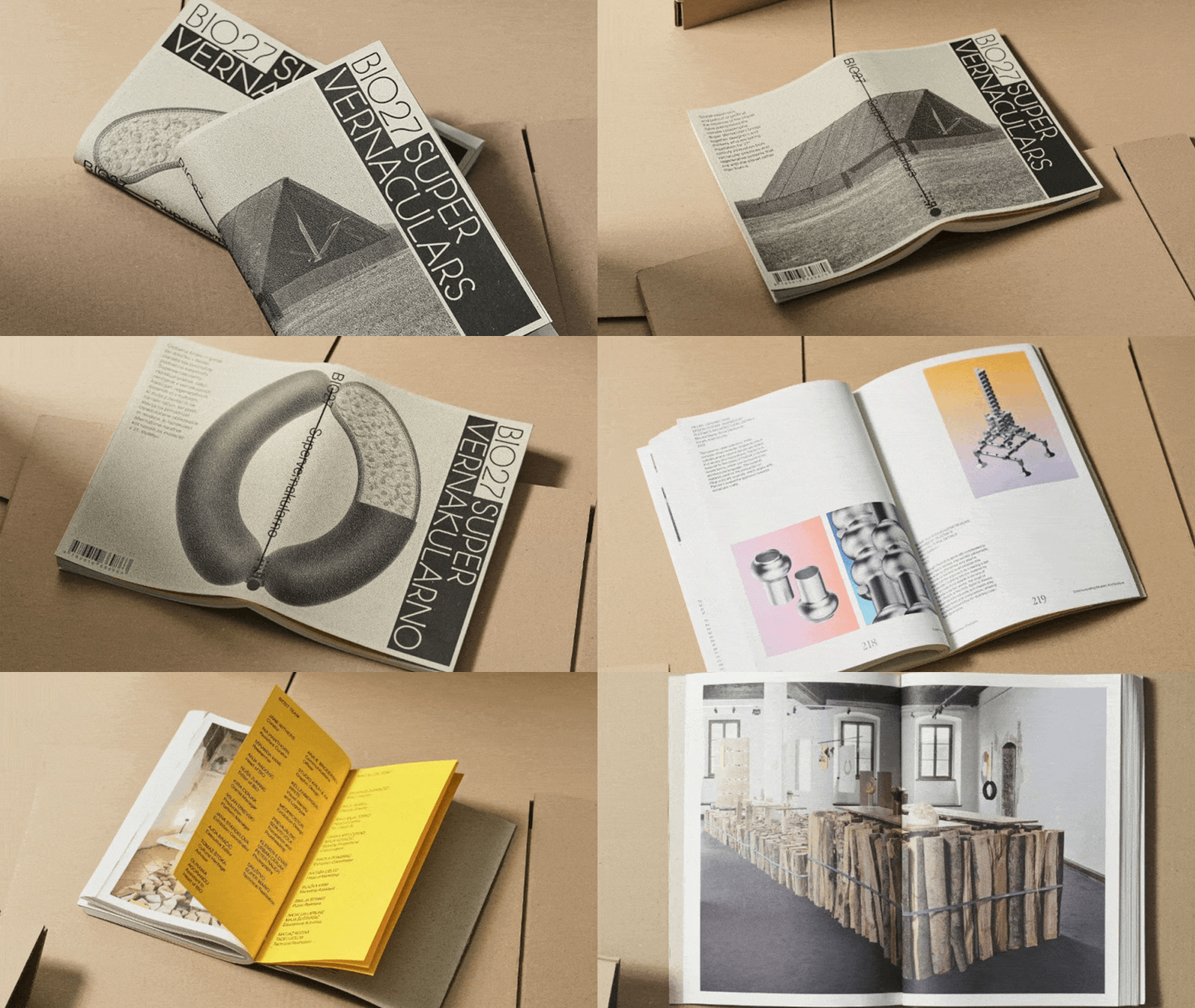
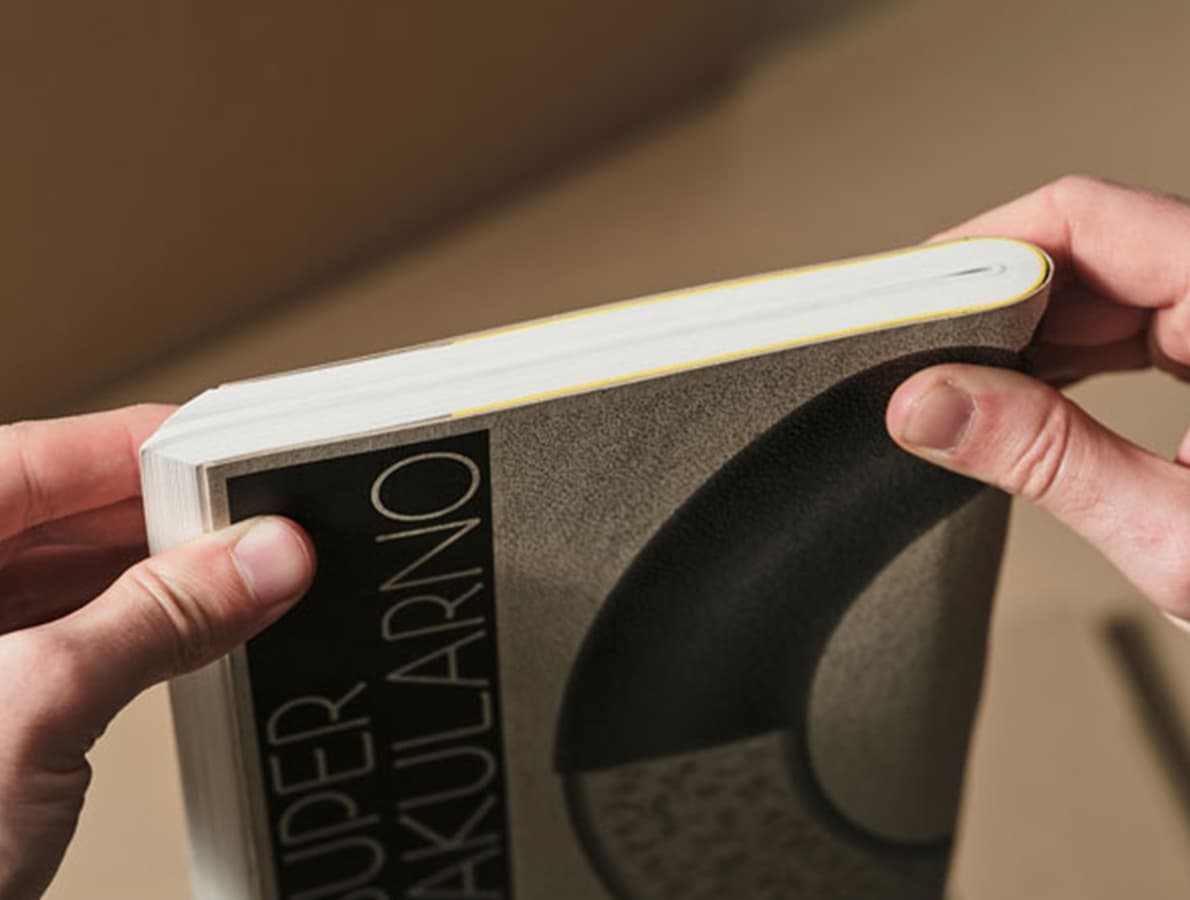
The catalogue of the 26th biennial of design constits of five issues which follow the thematic principle of the main exhibition: Information Crisis, Data, Information, Knowledge and Wisdom. Each issue focuses on a certain topic, featuring different types of articles, including essays, interviews, opinion pieces, photo features and infographics.


Katalog BIO 26
Katalog BIO26
Editors:Aline Lara Rezende and Katarina Nahtigal
Authors:Paola Antonelli, Ajda Bračič, James Bridle, Ingrid Burrington, Jennifer Cornick, Matevž Čelik Vidmar, Sašo Dolenc, Matevž Granda, Julia Hartmann, Wendy Hui Kyong Chun, Amelie Klein, Mojca Mihailovič-Škrinjar, Lívia Nolasco-Rózsás, Nari Oxman, Aleš Pustovrh, Renata Salecl, Deyan Sudjic, Maja Šuštaršič, Maja Vardjan, Eyal Weizman, Nuša Zupanc, Ali Žerdin
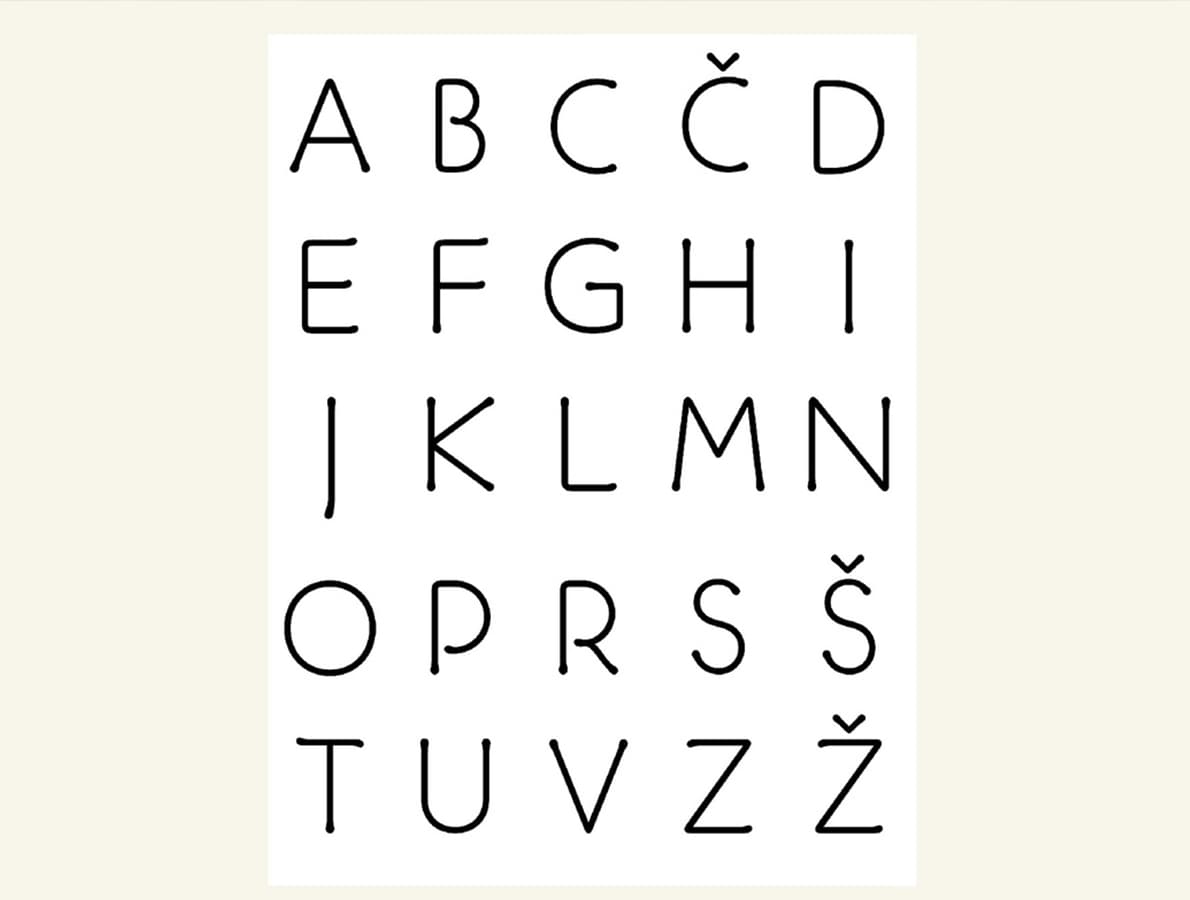
Graphic Design  and Illustration:Ljudje
Photos:Klemen Ilovar and Janez Klenovšek
Published by:Museum of Architecture and Design (MAO), Ljubljana, 2019. The catalogue consists of 5 volumes.
ISBN:978-961-6669-57-3

In Stock

BIO 26 TEAM

Dates:14. 11. 2019 - 9. 2. 2020
Curatorial team:Thomas Geisler (curator) Aline Lara Rezende (assistant curator)
Head of BIO 26: Assistant BIO 26: Head of Production Platforms: Exhibition Coordinator: Editors: Advisor for Design Marathon: Exhibition Design: Graphic Design: Photos:Maja Šuštaršič Saša Štefe Mojca Mihailovič-Škrinjar Urška Špeh Aline Lara Rezende in Katarina Nahtigal Dušan Janković Mertelj Vrabič Arhitekti Ljudje Klemen Ilovar (institutions and portraits), Janez Klenovšek (events)
Director, Museum of Architecture and Design Head of the Centre for Creativity:Matevž Čelik Vidmar Anja Zorko, Mika Cimolini

Mentors

Production Platform Mentors:

Commonplace Studio (Jon Stam, Simon de Bakker)
Žiga Cerkvenik, Irena Eiselt in Janko Klasinc
Paolo Patelli
Ida Hiršenfelder 
Apolonija Šušteršič 
Tomaž Deželan
Kathrina Dankl
Monika Šparl
Monika Vrhovnik Hribar in Matija Puškarič
Futurefarmers
Jože Bavcon in Blanka Ravnjak
Bureau d'études (Léonore Bonaccini, Xavier Fourt)
Ali Žerdin

Advisors

Aleš Pustovrh
Amelie Klein
Deyan Sudjic
Johnny Golding
Maja Vardjan

Authors

Challenge #1
Thomas Hügin
Maja Kolar
Yuxi Liu
Boris Smeenk
Špele Pavli Perko

Challenge #2
Cyrus Clarke
Giulia Cordin
Juliana Lewis
Luigi Savio
Monika Seyfried
Matevža Strausa

Challenge #3
Gențiana Dumitrașcu
Adrian Judt
Simon Platzgummer
Andreja Pogačar
Janje Štorgel

Challenge #4
Guendalina Ballerini
Rebecca Carrai
Natalia Skoczylas
Elizaveta Strakhova
Barbare Peterca

Challenge #5
Eliza Chojnacka
Kamila Kantek
Olga Roszkowska
Pola Salicka
Gabriela Szalanska
Simone Volaj Rakušček

Challenge #6
Maxime Benvenuto
Petra Matić
Mateja Mlinarič
José Tomás Pérez Valle
Zuzanna Zgierska
Jurke Mihelin

Collaborators

Natalija Lapajne
Nikola Pongrac
Maruša Kuret
Nuša Zupanc
Matjaž Rozina
Tadej Golob
Mirna Berberovič
Maruša Dražil
Alenka Drobnjak
Zala Košnik
Maja Kovačič
Urška Krivograd
Tomaž Štoka
Gaja Vudrag
Saša Žafran
Nataša Celec
Barbara Mlinarec

Alenka Klun
Nikola Brajnik
Bojan M. Ažman
Zavod Neuropolis
Klemen Ilovar
Janez Klenovšek
Vojdan Babunski
Jeff Bickert
David Towndrow
Katja Paladin
Urška Kamenšek
Vesna Videnovič
Darja Horvatič
Tina Karče
Lucija Piršič
Andreja Šalamon Verbič

Supporters

Ministrstvo za kulturo RS, Goethe Institut, Veleposlaništvo Kraljevine Norveške, Avstrijski kulturni forum, Veleposlaništvo Avstrije Ljubljana, Nachbarschafts Sosedski dialogi 2019-2020 Avstrija - Slovenija, Italijanski kulturni inštitut, Vivere all’Italiana, Francoski inštitut, Salonit Anhovo, Petrol, Hrastnik 1860, Ljubljanski potniški promet, Ljubljanska parkirišča in tržnice, Slovenska turistična organizacija, Turizem Ljubljana, Elektro Ljubljana, Mestna občina Ljubljana, Univerza v Ljubljani, Botanični vrt Univerze v Ljubljani, Dom starejših občanov Fužine, Delo, Staatliche Kunstsammlungen Dresden,MG+MSUM, Lek, Kinoteka, Narodna in univerzitetna knjižnica, Zentrum für Kunst und Medien, MU Hybrid Art House, In your pocket, The Slovenia, Urbano življenje, Europlakat, Mladina, Media Bus, Delo, Big, Letališče Ljubljana, RTVSLO, Oris, v2com-newswire, Arts Thread, Dezeen, DPG, e-flux architecture, Outsider

arhiv novic bio27