The Museum of Architecture and Design (MAO) in collaboration with the Centre for Creativity (CzK) are pleased to announce the expanding constellation of contributors, directions, and collaborations shaping BIO 29: Soft Fields, the 29th Biennial of Design Ljubljana. Soft Fields examines the ways knowledge, otherwise enclosed within their respective environments – research, industrial, and infrastructural – can be opened, redirected, and redistributed through design practice. The exhibition asks how design operates not only inside structured systems but along the edges of such, where access is partial, information is uneven, and responsibilities are shared.
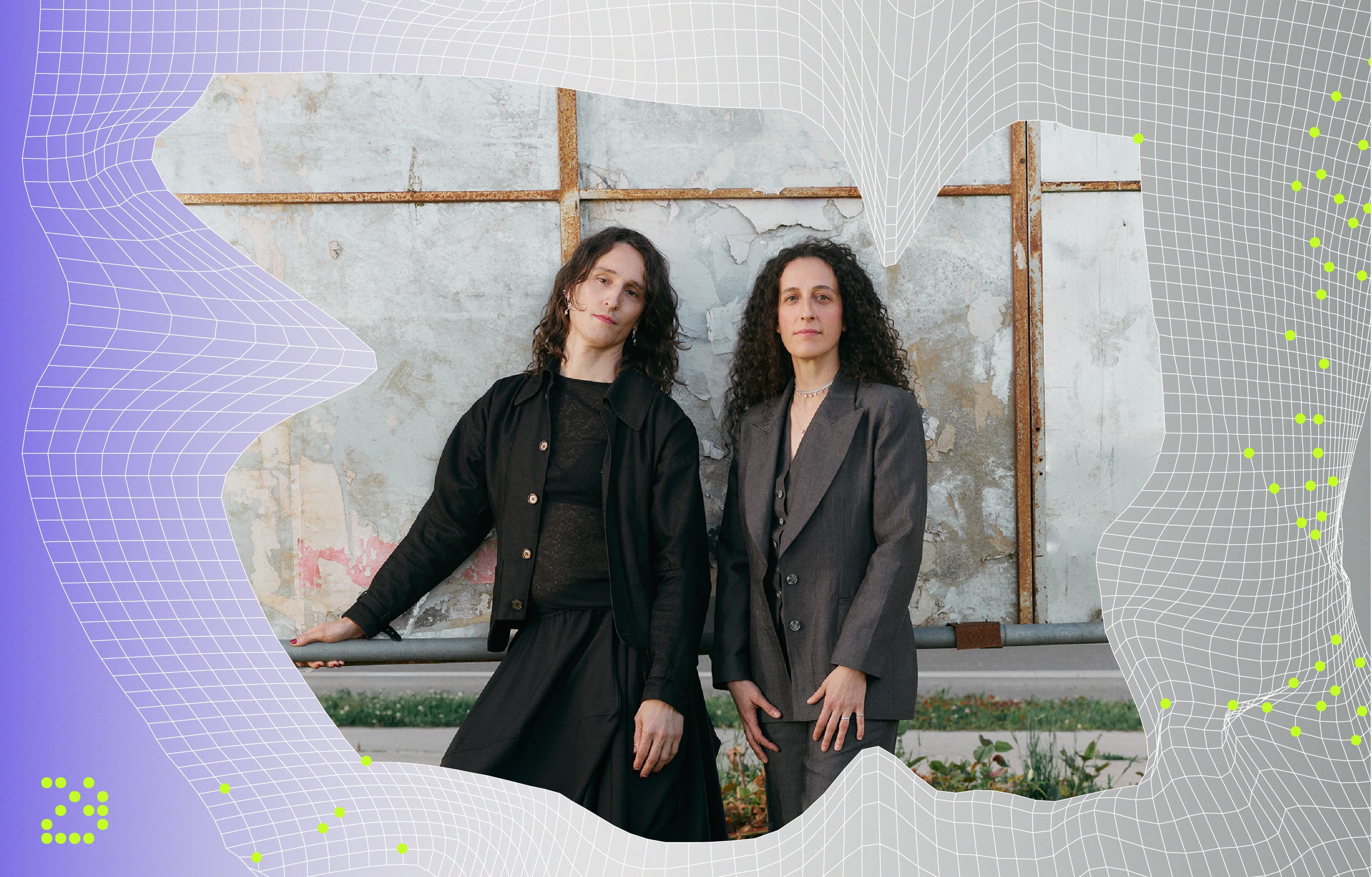
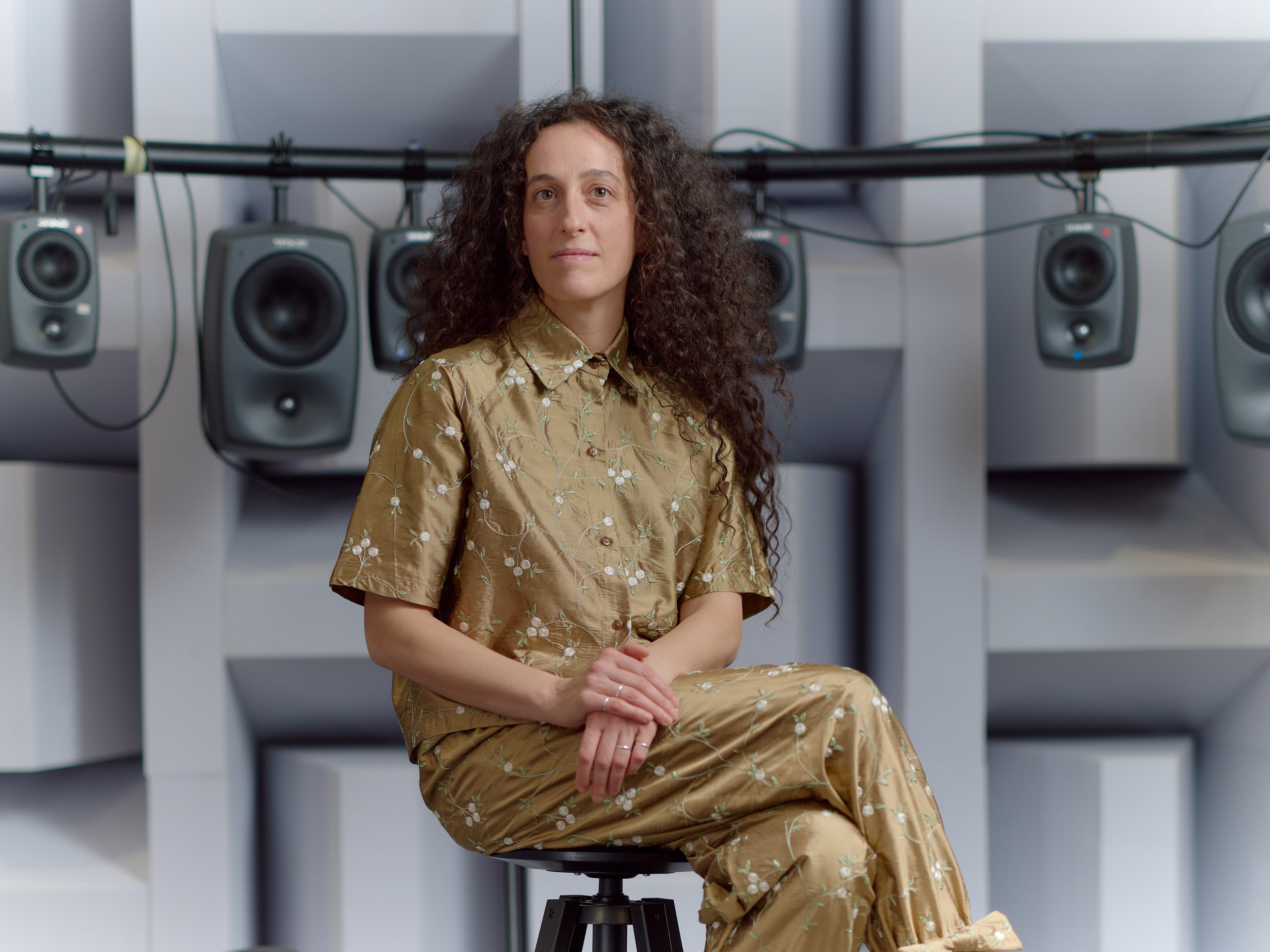
Alongside Curator Martina Muzi, BIO 29 had the pleasure in January of welcoming Ro Pérez Gayo as Associate Research Curator. A designer, researcher, and educator, her practice develops at the intersection of systemic design and research infrastructures across cultural, civic, and industrial contexts. She has [co]designed and implemented large-scale European projects in cooperation with the European Commission, WHO Europe, and the Council of Europe; and teaches at Design Academy Eindhoven and the Sandberg Institute. Her collaborative work has been presented at Het Nieuwe Instituut, Van Abbemuseum, Dutch Design Week, FOAM, and MU Hybrid Art Space, among others.
BIO 29 is organised as a soft, adaptive structure built from four interconnected frameworks: Experimental Practices, Works of Resonance, Extended Transmissions, and Afterclass. Through the Experimental Practices framework, 21 participants selected through the BIO 29 open call are developing situated research projects in Slovenia in collaboration with the Curatorial Team, the BIO 29 team, local researchers and other partners, with contributors including: Swamp Matter, Lučka Centa, Gaja Pegan Nahtigal, Liza Sočan, Tatjana Kotnik, Ana Likar, Dorijan Šiško, Jaka Juhant, Rebecca Schedler, Gaia D'Arrigo, Leo Larche Hitchcox, Katjuša Rupnik, Tinkara Rakovec, Emma Canton, Sofia Tapia Buchelli, Frida Law, Urška Kristina Škerl, and Dan Adlešič. Slovenian research collaborators include Dr. Maja Bjelica and Dr. Jerneja Penca (Science and Research Centre Koper), Dr. Nina Vodopivec (Institute of Contemporary History), Dr. Stanka Šebela (Karst Research Institute ZRC SAZU), Dr. Tadej Bevk (Biotechnical Faculty, University of Ljubljana), and Dr. Milena Horvat (Jožef Stefan Institute).
Operating as a transversal layer across BIO 29's frameworks, the biennial's research backbone, Afterclass, is being developed by the Curatorial Team alongside Susanna Tomassini, Konstanty Konopiński, Marco Pagan, and Eva Bevec. Working through image, infrastructure, and inscription, the strand the way industrial sensing and monitoring systems produce particular forms of visibility – and what design practice might do at those sites of production.
Works of Resonance brings international projects to Slovenia in a process that mirrors Soft Fields’s design questions and expands the biennial’s geography of inquiry beyond the exclusively local. And Extended Transmissions reaches into the everyday spaces where design practice happens – galleries, studios, industrial areas – activating ongoing work that connects with BIO 29’s core concerns. Supporting the Curatorial Team across these frameworks is Brogen Berwick and the BIO 29 Team.
SAVE THE DATE
BIO 29: Soft Fields
Opening: 3–4 December 2026
Exhibition: 4 December 2026 – 4 April 2027
Locations:
Museum of Architecture and Design (MAO), Ljubljana
Mala galerija Banke Slovenije, Ljubljana
Cultural Center Libertas, Koper