Author:
Laurin Bohm
Collaborators:
dr. Lidija Korat, Laboratory for Concrete, Slovenian National Building and Civil Engineering Institute
dr. Lucija Hanžič, Laboratory for Concrete, Slovenian National Building and Civil Engineering Institute
Credits:
Antonia Aschenbrenner, Graphic Design
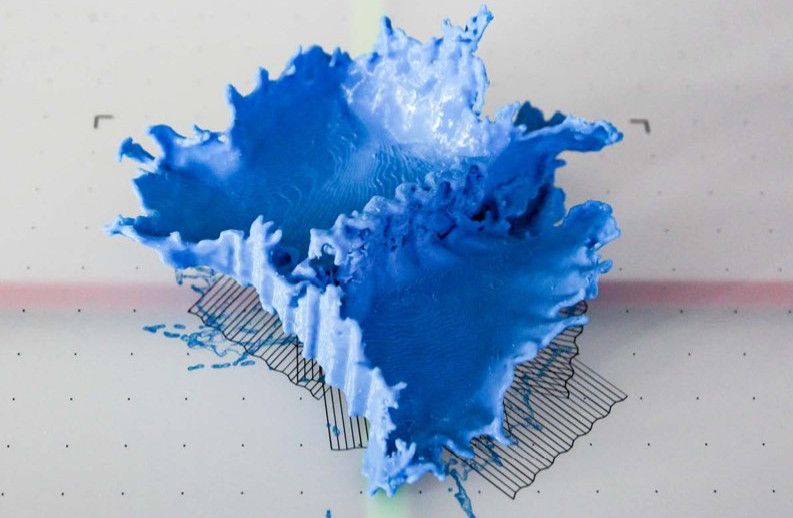
Water-Resistant explores how digital simulations and industrial systems reshape our understanding of water and our relationship with it. The project highlights the tension between water as a natural phenomenon and its simplified digital representation, where it becomes a controllable object defined by measurable parameters, surfaces and volumes.
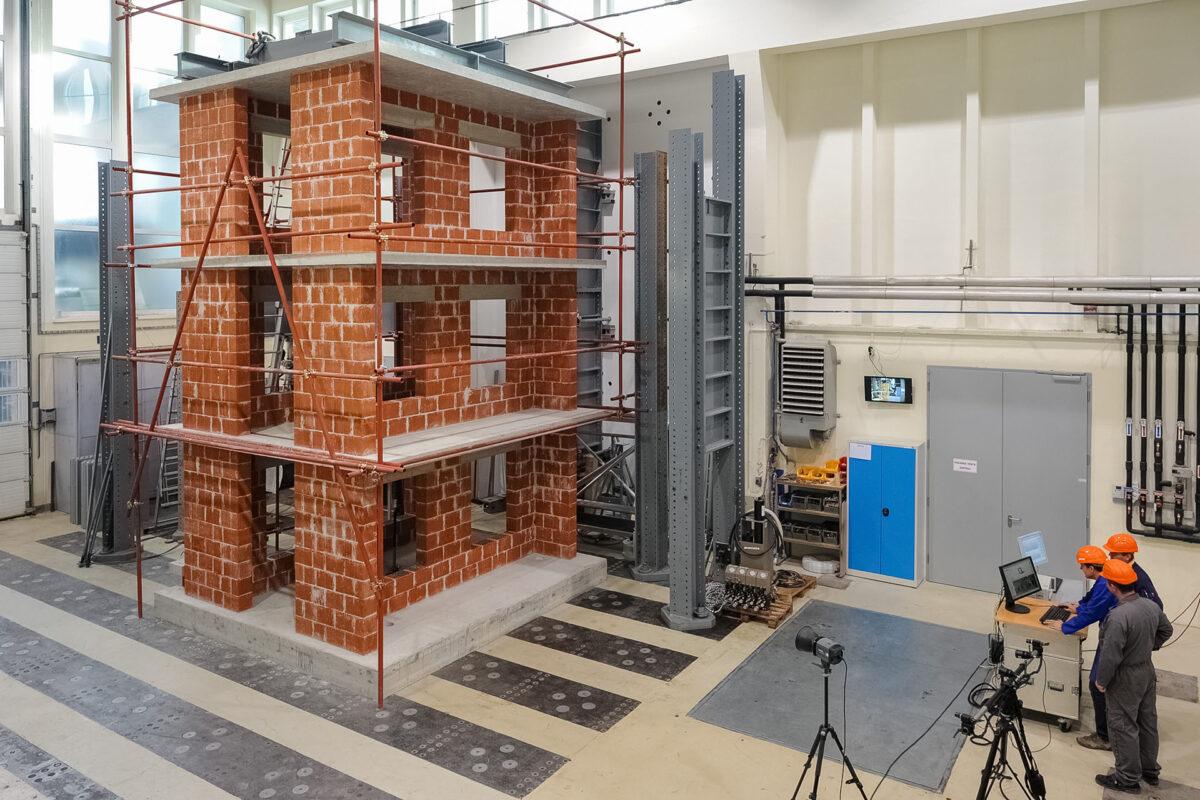
ZAG is Slovenia’s leading institute in the field of civil engineering, focusing on scientific research and the development of professional solutions for the construction sector, one of the key areas of the Slovenian and global economy.
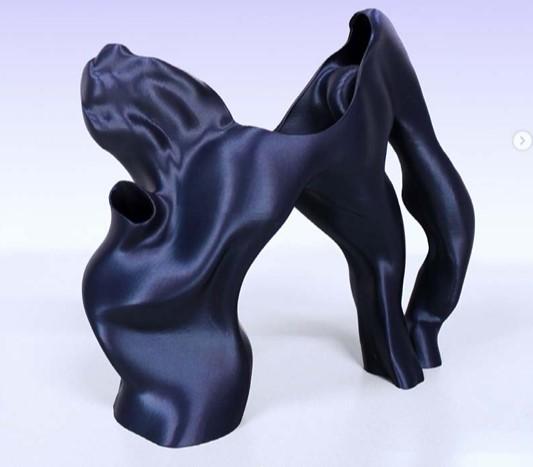
Water-Resistant studies digital water simulation and its impact on the physical world. Industrial attitudes toward water, digitally defined, manifest itself through simplified parameters that influences and replaces our behavior towards it. Infrastructures have taken control over water, detached from its natural essence.
The water simulation disregards wetness, wear, and the interior, emphasizing an increasing „line“, reducing water to volume and surface. This crafts a fictional truth, symbolizing complete water control. The physical world replicates the simulation‘s goals, transforming reality into a simulation of a fiction. The physical water becomes a new form and material defined by the industrial idea of control and embodies our attitude towards it.
3D elements created with fluid simulation software and graphic elements show the established line and how digital elements create bodies of water through meshes, resolution and closed volumes.