Authors:
Swamp Matter & Lučka Centa
Collaborators:
Dr. Blaž Kogovšek, Institut Anton Melik, ZRC SAZU
Borut Hočevar, Klariči Pumping Station, Supervisor Komunala Sežana, Kraški vodovod Sežana, d.o.o.
Boris Čok, independent researcher and author specialising in folk beliefs, mythology and animist traditions of the Karst region
Doc. dr. Jasna Fakin Bajec, Inštitut za kulturne in spominske študije, ZRC SAZU
Project Credits:
Sound Mastering: Klemen Brank
Technical Consultation: Pika Garibaldi
Welding: David Drolc
Zahvala: Tatjana Kocmur (Cirkulacija2), Ana Lokovšek, Špela Šedivy, Tia Garibaldi
Erratic Flows explores the entanglement of water and the karst landscape, bringing hydrogeology and infrastructure into dialogue with folk, pagan, and embodied knowledge. Beginning with the Klariči aquifer, it approaches these different ways of knowing as technologies for encountering water as an unstable, connective, and partially unknowable flow.
The institute focuses on geography of Slovenia. It carries out national and international research projects, publishes geographical studies and promotes the advancement of geographical knowledge.
The researchers engage in investigations of different forms of memory practices related to the events that profoundly marked 20th century Slovenia and South-east Europe. They are focusing on multi-layered phenomenon of memory, its social role and political relevance, and its relation with collective imaginations of the future.
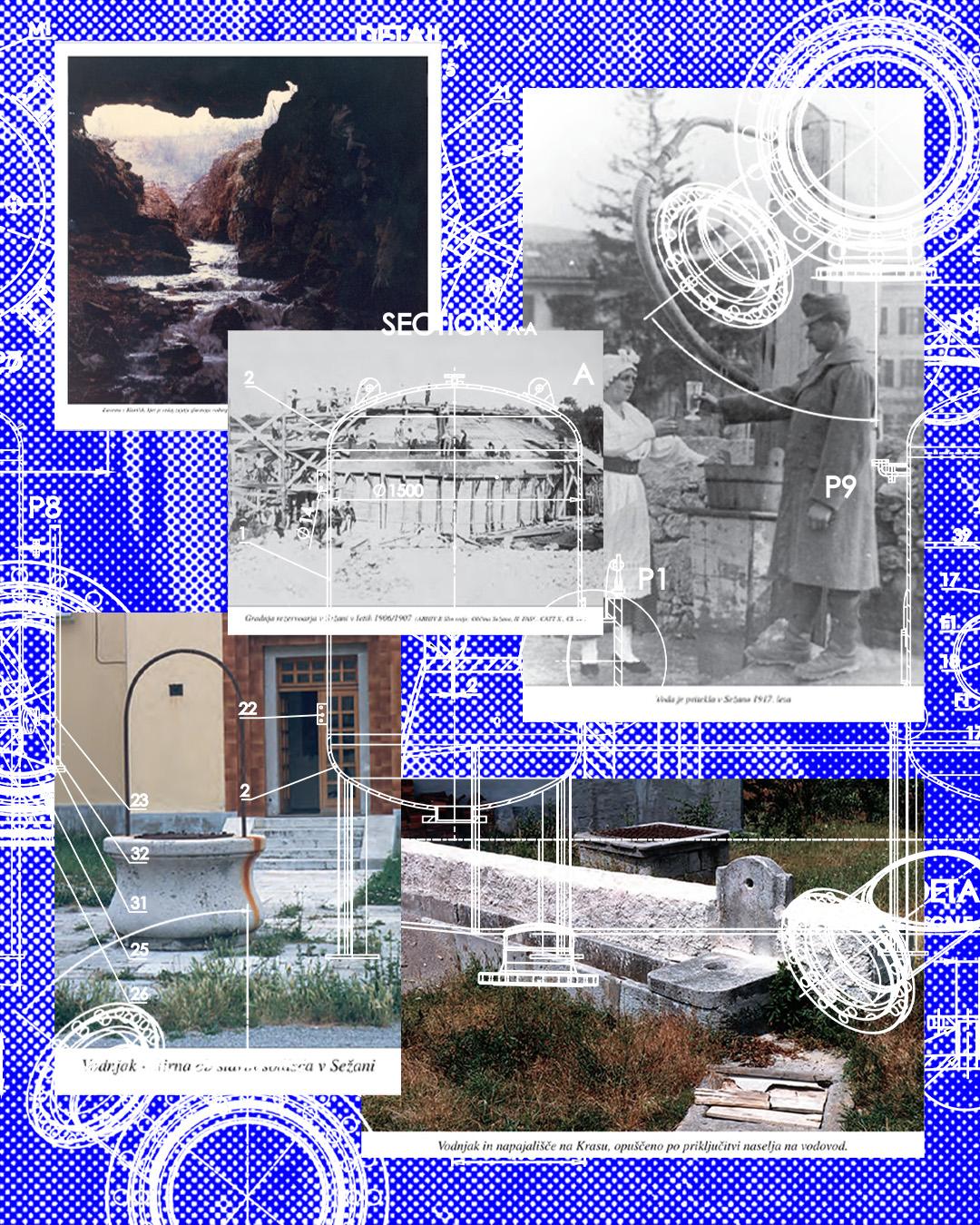
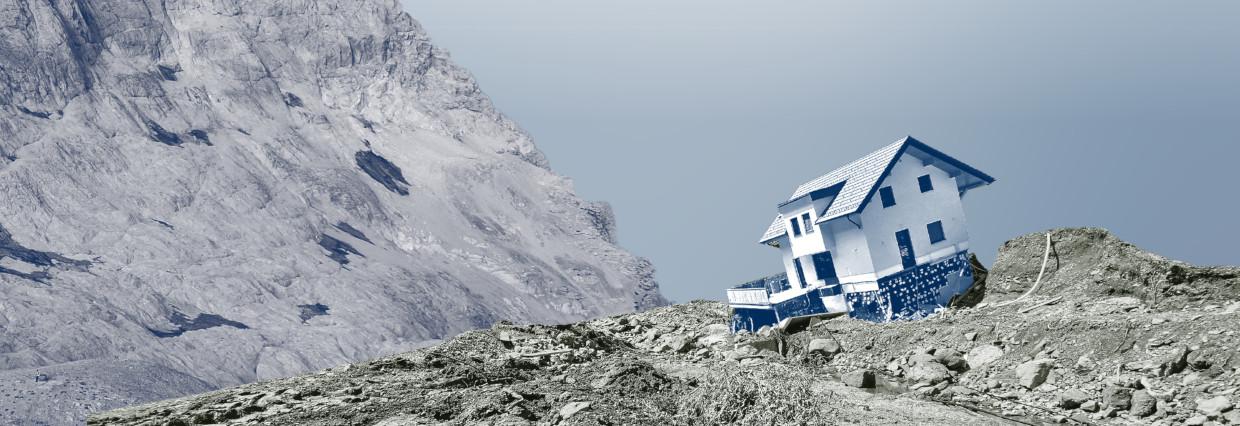
Photo: Swamp Matter & Lučka Centa
Erratic Flows observes the entanglement of water and the karst landscape, investigating how knowledge about water (scientific, folk, pagan, and embodied) is produced, transmitted, and lost. Alongside hydrogeology and contemporary water infrastructure, the project investigates folk practices connected to water: sacred sites, incantations, celestial cycles, weather observation, and embodied ways of reading the landscape. Drawing on hydrofeminism, water is understood not as a bounded resource but as an erratic connective flow passing between aquifer, atmosphere, infrastructure, geological formations, and human and more-than-human bodies.
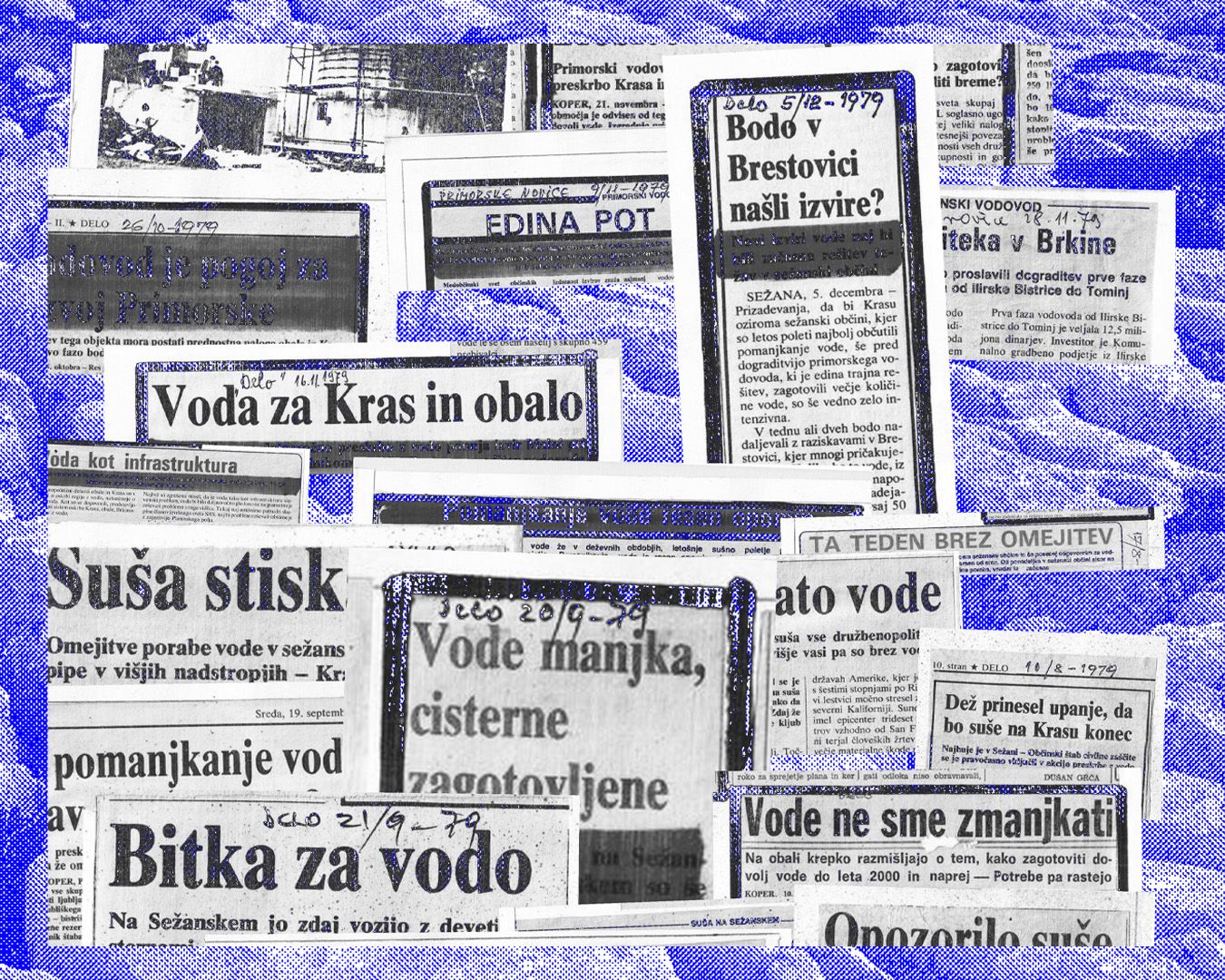
The research begins with the Klariči aquifer in the Classical Karst (Kras) region of southwestern Slovenia. Here, water moves invisibly through a porous landscape, disappearing underground and travelling through complex, unmapped systems. This geological condition has always made water difficult to locate. Historically, every village had its communal well (šterna) and its kal, a rainwater retention basin. Water scarcity was negotiated through close observation of the landscape and bodies of knowledge transmitted through oral tradition. It was only in 1980 that geologists discovered large water reserves near Brestovica. The Klariči pumping station, built in the 1984, became the region’s first stable drinking water supply.
The project asks what these different ways of knowing water can offer in a present increasingly shaped by drought, flooding, and infrastructural vulnerability. Rather than approaching these folk practices as obsolete beliefs, the project considers them forms of technology: of encountering an unstable and partially unknowable landscape. Technology, in this sense, extends beyond the engineered device. A pump, a divining practice, a geological model, a ritual, and an oral story can each become an interface through which we read the landscape. Moving between measurement and divination, geological evidence and speculation, Erratic Flows asks not how to make an unstable landscape legible, but how to remain attentive to what escapes our systems of knowing.
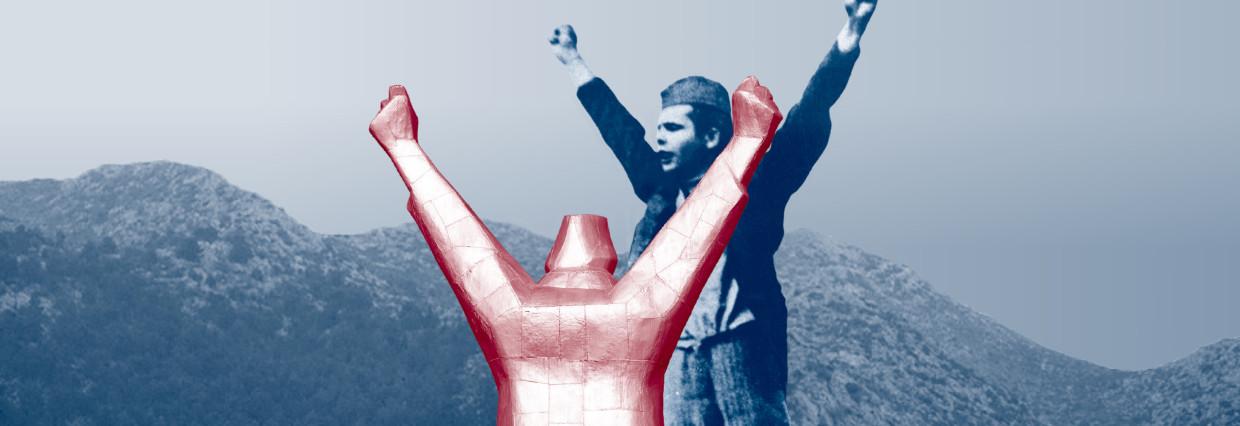
Photo: Swamp Matter & Lučka Centa