BIO 50 entrance at MAO. Photo: Ana Kovač
Open debate: Designing Everyday Life. Photo: Ana Kovač
Group Affordable Living. Photo: Ana Kovač
Group Knowing Food. Photo: Ana Kovač
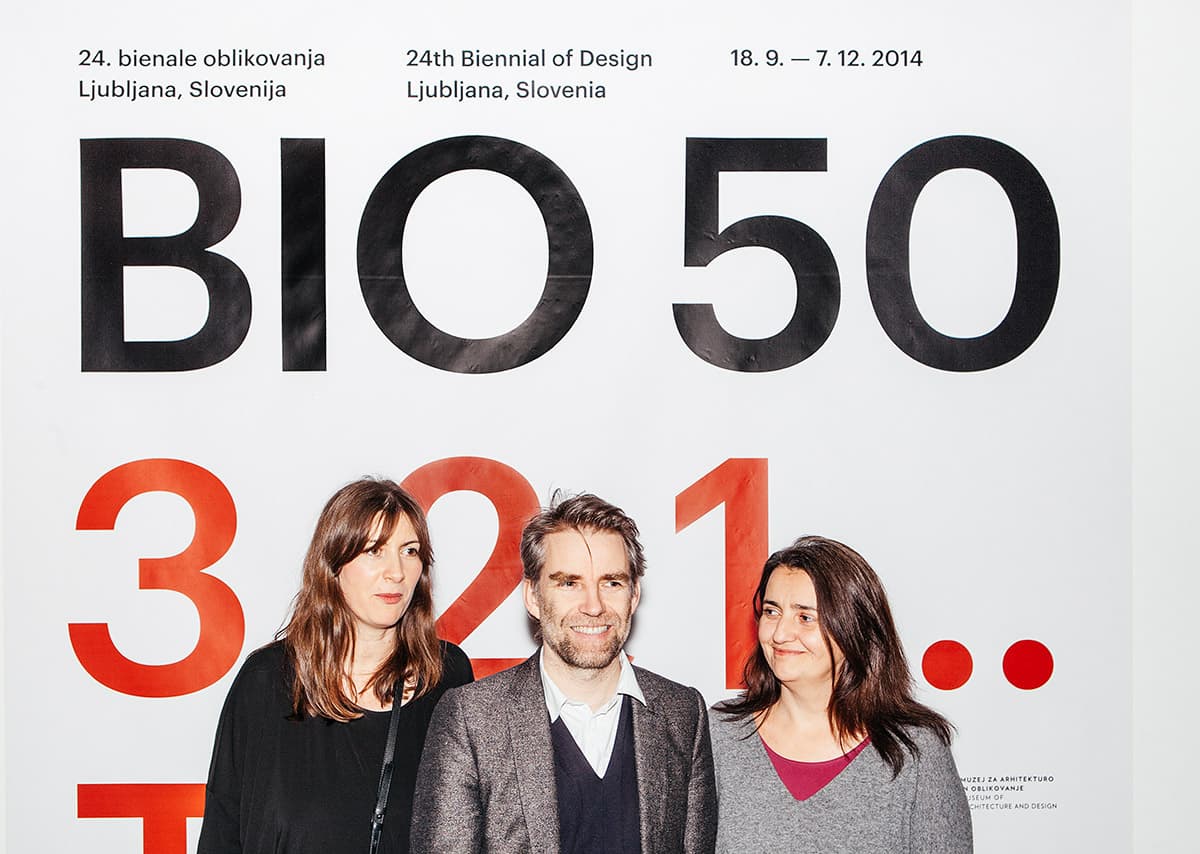
Winner and honourees with BIO 50 curators and jury on the opening night. Photo: Ana Kovač
Guided tour of BIO over Fifty Years at the Jakopič Gallery. Photo: Ana Kovač
Group Hidden Crafts. Photo: Ana Kovač
Group Engine Blocks. Photo: Ana Kovač
Group Observing Space. Photo: Ana Kovač
Overnight at BIO 50 Hotel of Nanotourist. Photo: Ana Kovač
Group Knowing Food. Photo: Ana Kovač
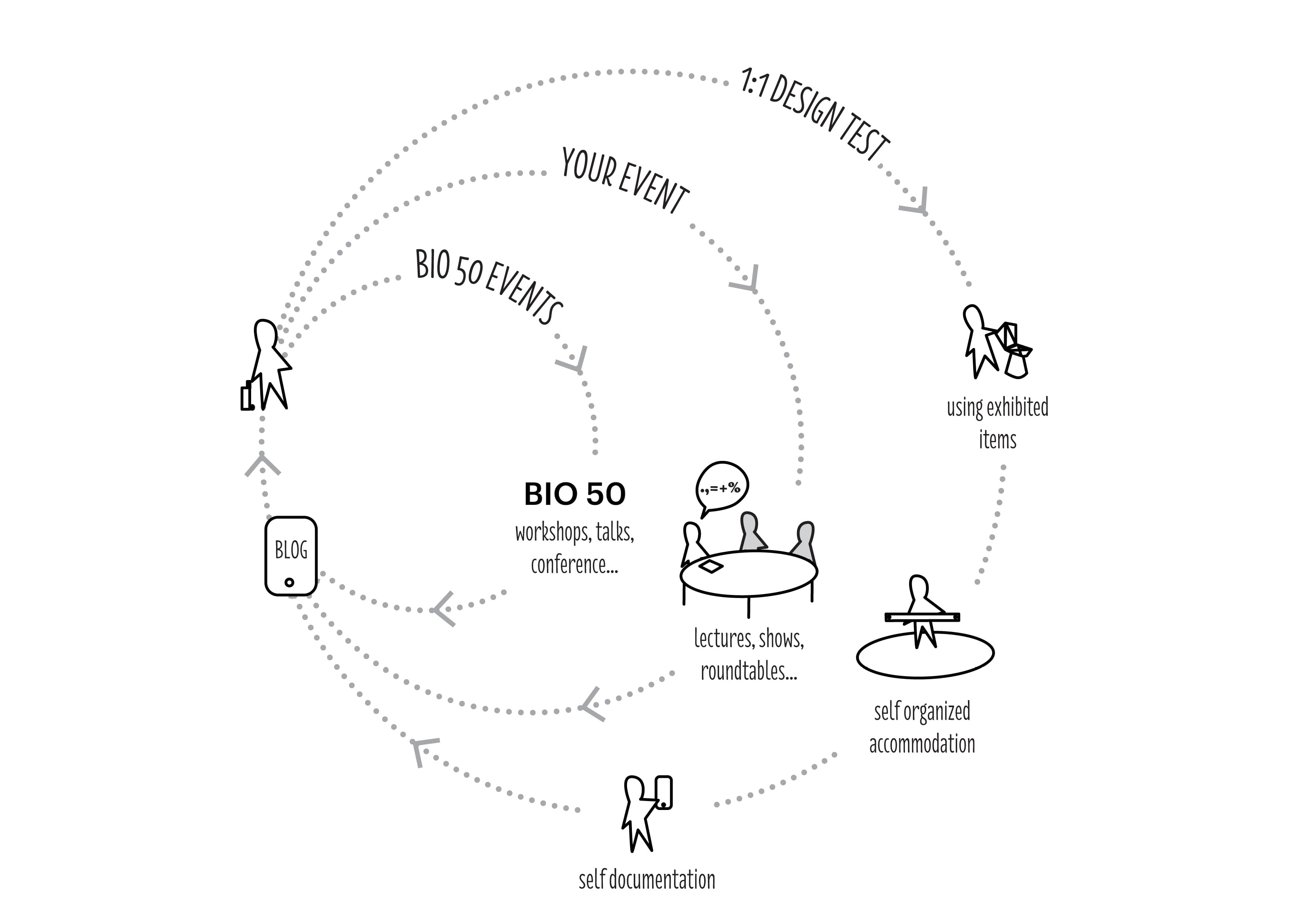
If the Biennial of Industrial Design started and for the past fifty years practiced criticism of the trivial by presenting the outstanding, then BIO 50 is its exact opposite. By utilizing the trivial and the reality, it is criticism of the outstanding and the elite. At the same time, BIO 50 is an attempt to look for and find the outstanding within the routine everyday life. Being critical of the ever increasing number of design festivals, the curator Jan Boelen transformed BIO into a production platform. Its framework is collaboration.
The team was mentored by Tadej Glažar, architect and professor at the Faculty of Architecture, University of Ljubljana, and Rianne Makkink, architect and designer, co-founder of Studio Makkink & Bey. The project was developed in collaboration with the Regional Development Agency of the Ljubljana Urban Region, the Faculty of Architecture, University of Ljubljana, and ProstoRož. The participants investigated the large number of vacant and unused buildings and housing, one of their basic rights, in contemporary cities. Through research and proposals, the Affordable Living team explored the potential for transformation into affordable housing and examined how modernist housing estates could become future-proof, both physically and socially. The project presented different insights and interpretations of what it means to live affordably and what affordable living can become.
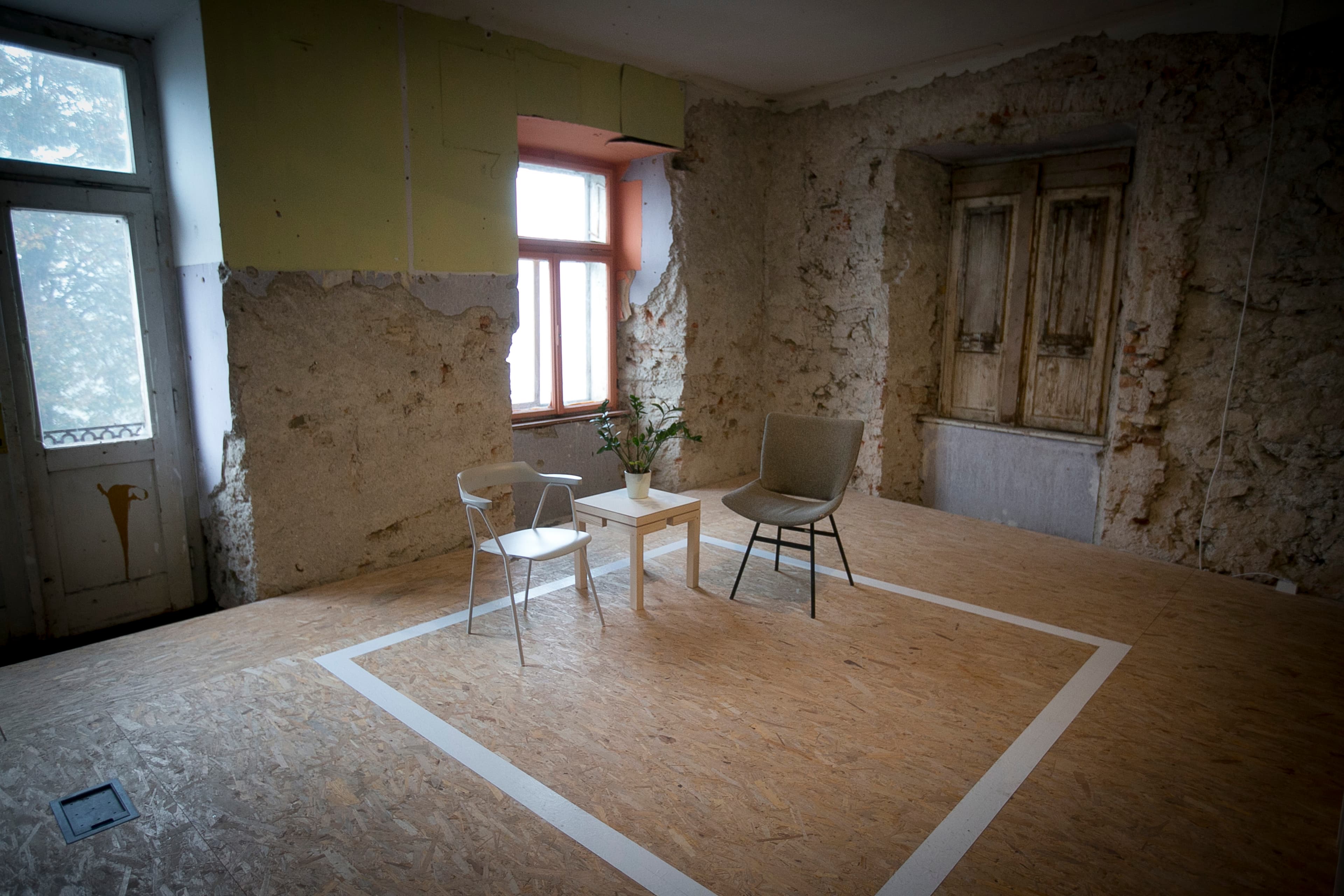
The team was mentored by Lucas Mullié, food curator, co-initiator of Foodconvertors and Tijdrestaurant, and designer Digna Kosse. The participants explored food networks through local knowledge of food, resources, production and distribution. The project responded to the shift in which food has become a way of living and an important indicator of social and cultural identity. Through the creation of a community garden and research on milk, local plants, invasive species, and possible future scenarios for food, the team sought to create a new consciousness about what lies on and beyond the plate.
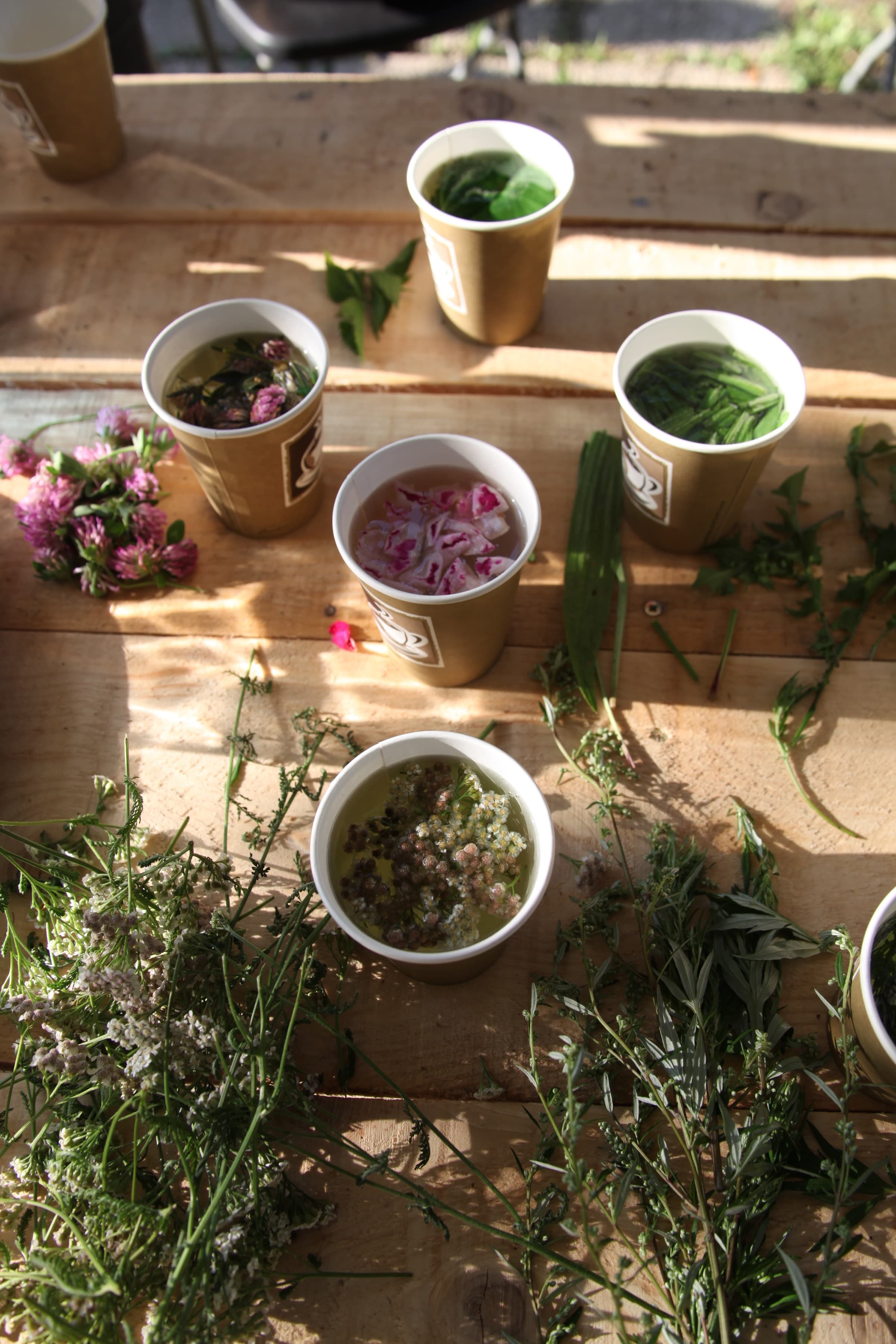
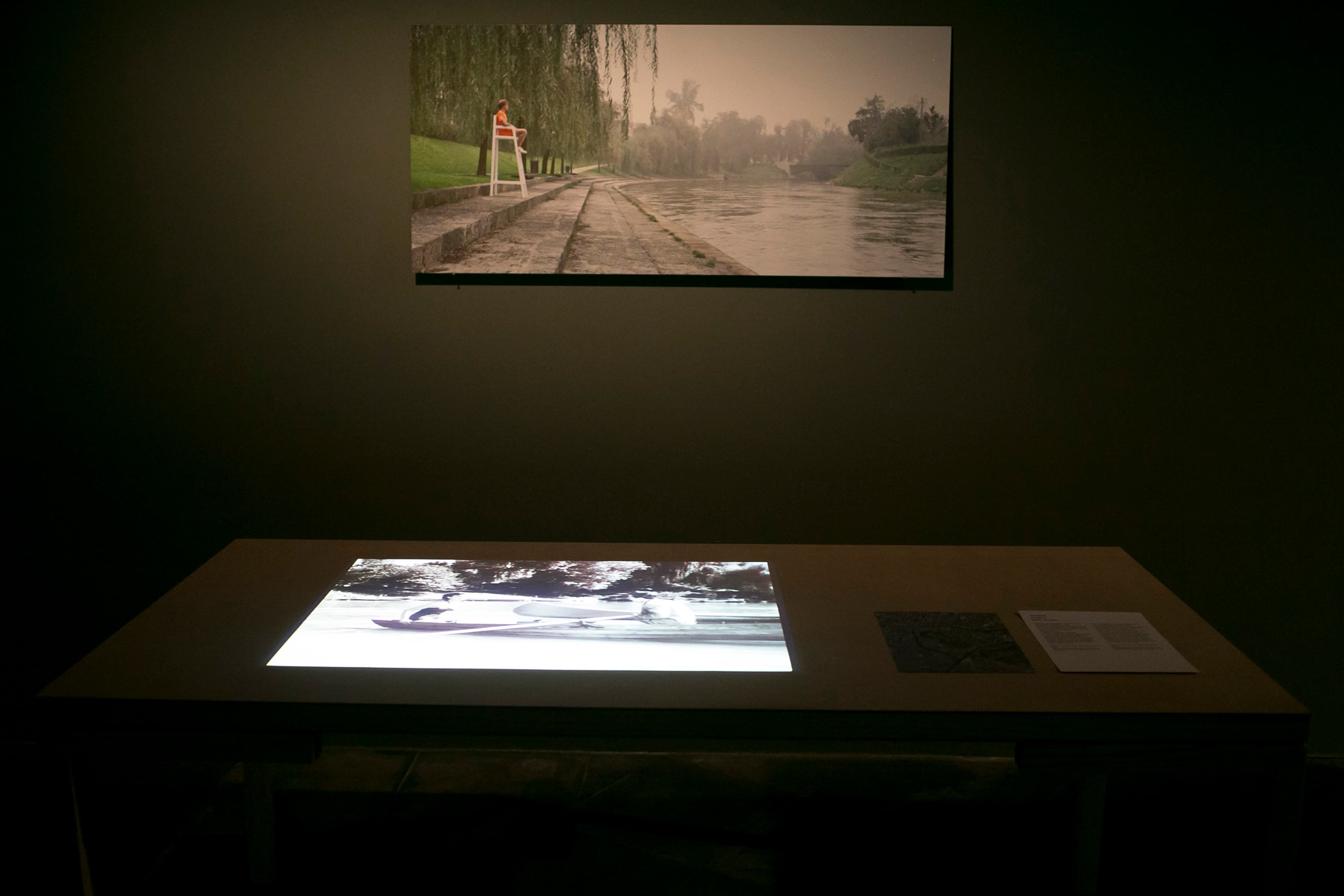
The Public Water – Public Space team was mentored by Marko Fatur, civil engineer, expert on water cycle and water systems, and product designer Aldo Bakker. The project starts from the fact that water has progressively disappeared from public space despite its essential role in everyday life. The team explores whether, in an environment with an abundant supply of pristine water, water can once again become a visible, accessible, and meaningful component of daily public life. Water is approached as a biological and historical fluid, as well as a sensory and material element, and as an opportunity for sharing and collective public experience.
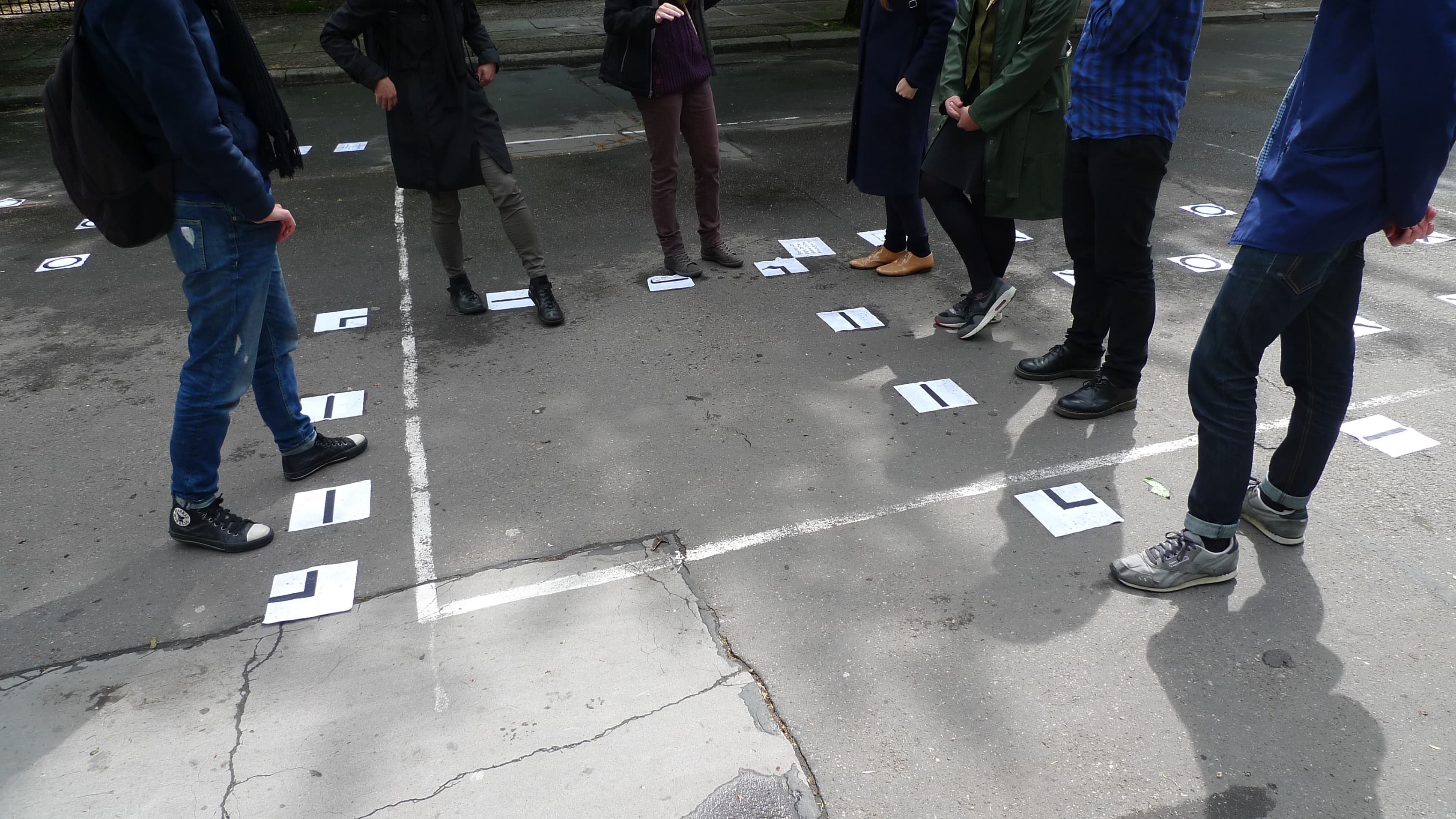
The team was mentored by Marko Peterlin, architect and urban planner, co-founder of Institute for Spatial Policies (IPoP), and Judith Seng, product and process designer, in collaboration with the Institute for Spatial Policies. The project is based on the idea that walking is an essential component of everyday life, yet its rights and agency in urban contexts seem often neglected or forgotten. Within the project, the team developed The Agency of Walking, which through different walking scenarios and experiences in Ljubljana explores the conditions, limitations, and potentials of walking in public space. The project examines walking as a tool of urban action, bodily experience of the city, and the active reclaiming of public space.
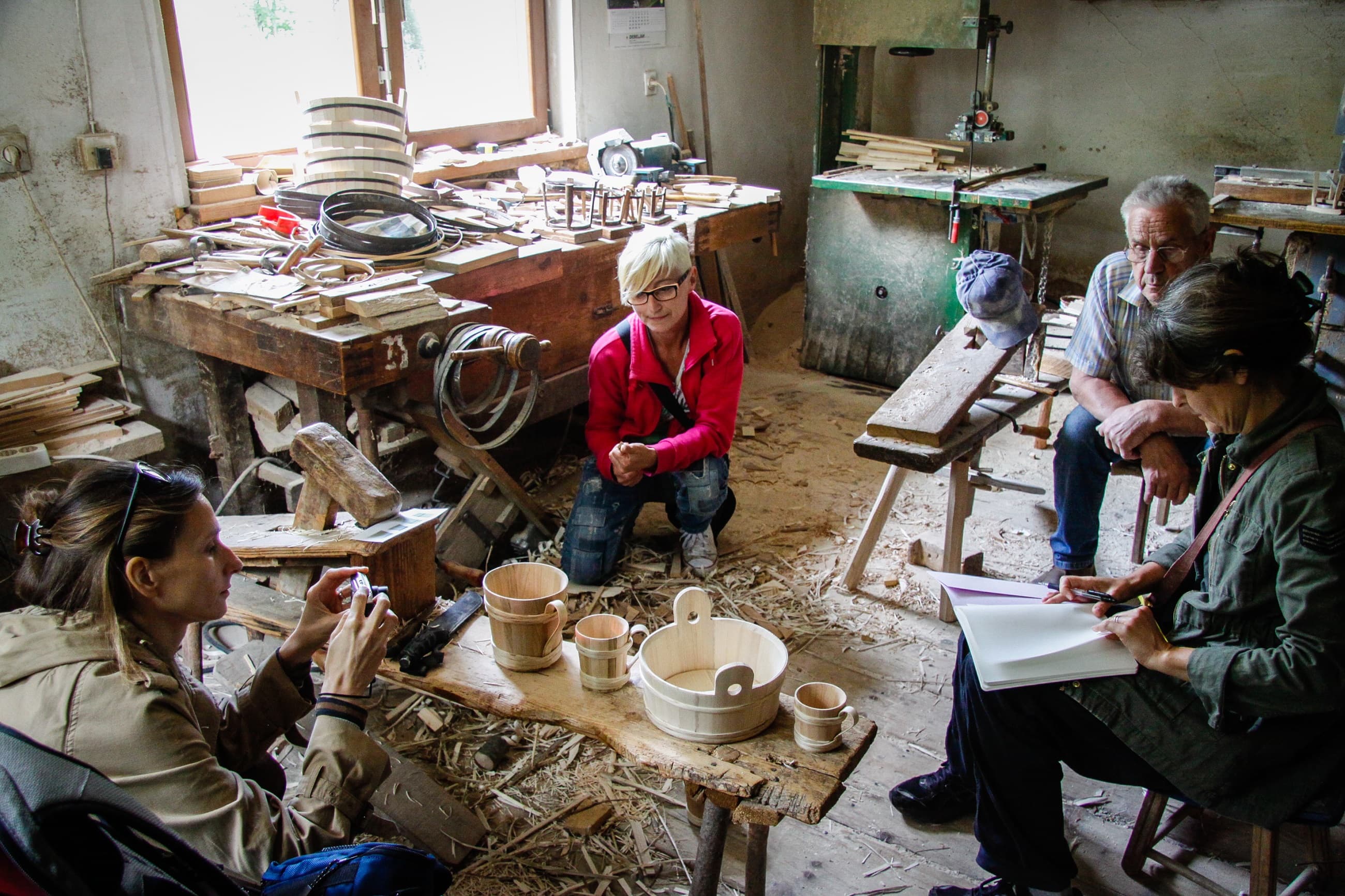
Hidden Crafts explores whether it is possible to discover new life in the methods, outcomes and distribution of craft, and what designers can learn from a country’s craft tradition. The project brought together six companies and twenty-two designers in a discovery process with no pre-defined destination, based on the shared exchange of knowledge, time, and experience. The term “hidden” refers to invisible, unknown, overlooked, or underestimated craft practices that remain present within contemporary production processes. The team was mentored by Tulga Beyerle, freelance design expert, writer and curator, and encouraged participants to search for hidden potentials within different materials while critically questioning their own abilities and craft knowledge.
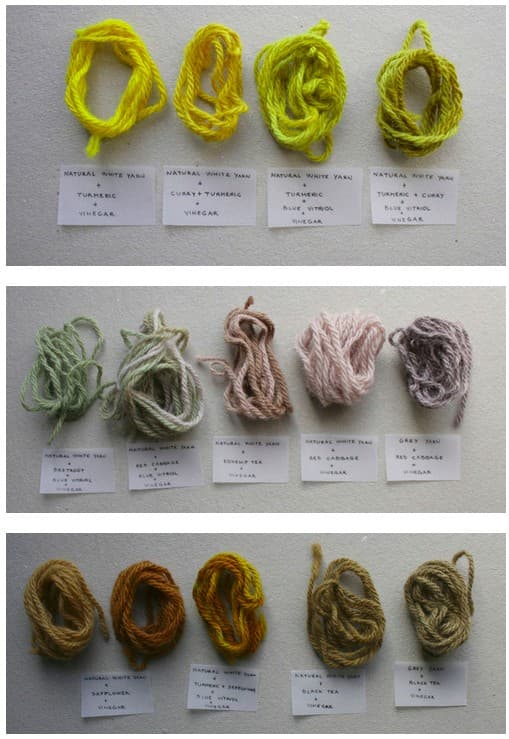
The Fashion System is a fashion lab, a traveling exhibition and a living open archive that explores the complexity of the fashion industry, from textile production to retail, as well as the dynamics between designers, producers, and consumers. The project Matter Loci x Matter Globalis (ML x MG) brings together local makers, amateurs, and professionals who produce garments exploring local resources − in terms of materials, creativity and production, with the first open call focusing on Slovenian wool as rare local material. The resulting archive documents both the products and processes involved in their realization. ML x MG aims to generate new perspectives and real alternatives to the delocalized, contemporary system of fashion production and consumption. The team was mentored by Tina Hočevar, architect and designer; Eugenia Morpurgo, designer and author of the Repair It Yourself (RIY) and footMade projects; and Evan Frenkel, researcher of open and active clothing manufacturing systems. Project partners included the Faculty of Natural Sciences and Engineering, University of Ljubljana, and SQUAT, Ljubljana.
Hacking Household Appliances starts from the fact that traditional household appliances are created as a closed system, where, when something goes wrong, products are often easier to throw away and replace with new ones. In the age of 3D printing and DIY circuitry, the team builds upon users’ abilities to repair, customize, modify and repurpose existing products. The project asks what would happen if products were produced the way software is developed, through processes based on openly shared, reviewed, adapted, and distributed systems.Programming Objects proposes a system in which products can evolve, adapt to your own needs, be reused, and communicate with one another. Objects can now be designed, developed, and produced democratically, rather than through a top-down approach from corporation to consumer. The team was mentored by Tilen Sepič and Jesse Howard in collaboration with Gorenje Design Studio.
Nanotourism is a new word describing a critique to the current environmental, social and economic aspects of tourism and seeks smaller-scale, non-intrusive ways of promoting a tourism experience. It is a site specific, participatory, locally oriented, bottom-up alternative that does not depend on scale, but instead enables experiences through local resources. The work of the team developed in two stages: researching possible tourism experiences and exploring their realization through the AA Visiting School Slovenia, a workshop held in Vitanje. The team was mentored by architects Tina Gregorič and Aljoša Dekleva in collaboration with the Architectural Association (AA), School of Architecture.
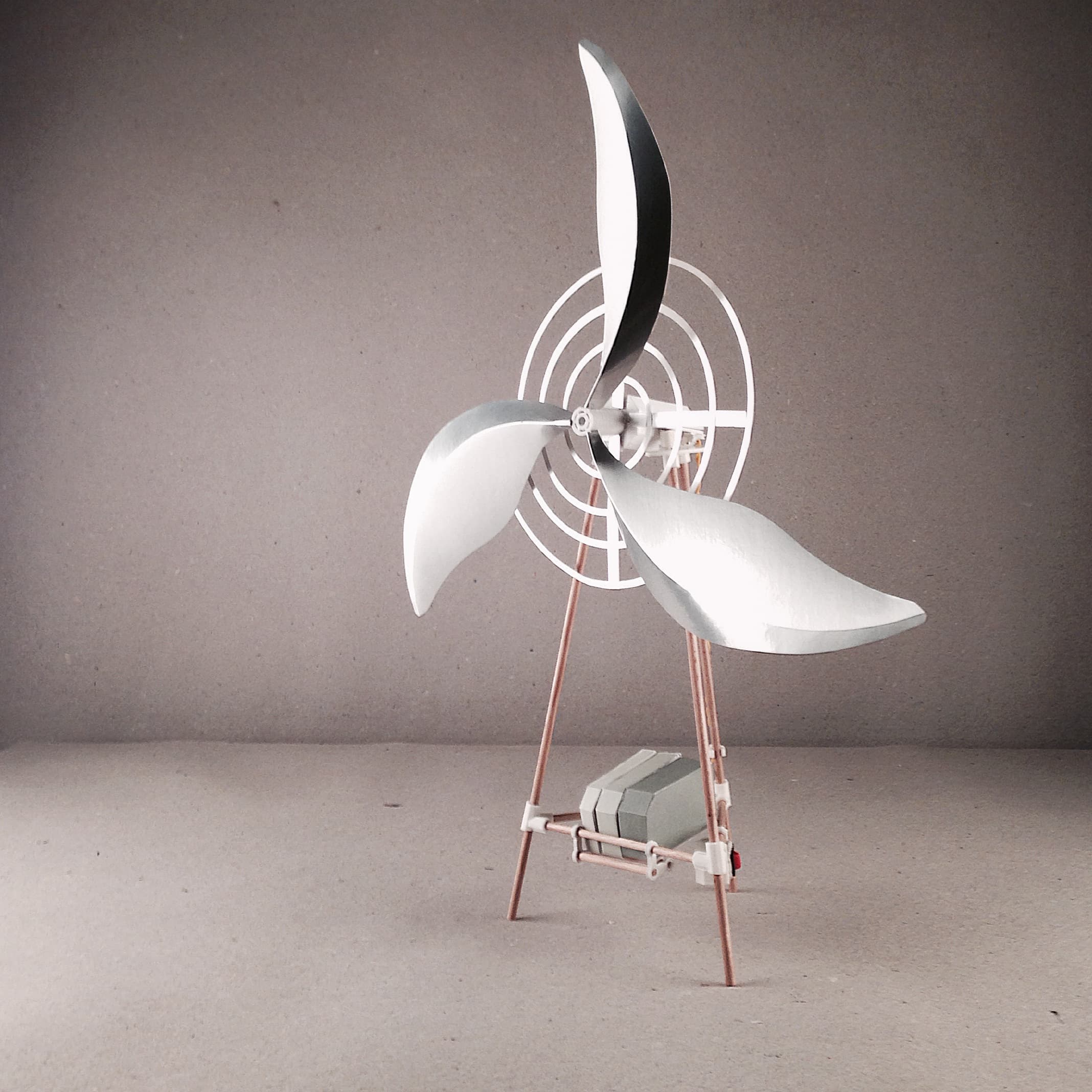
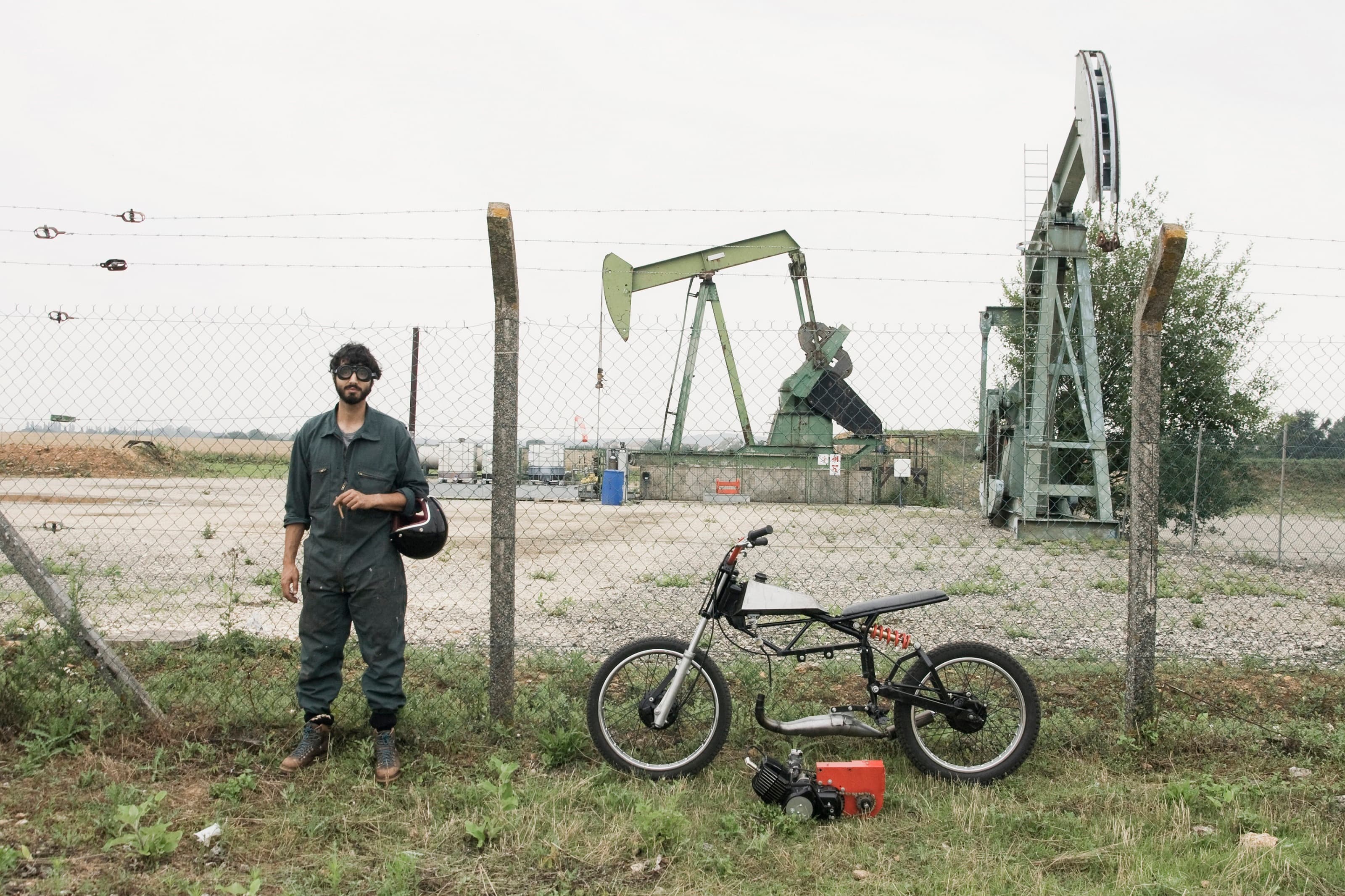
Vehicles have become increasingly specialized and unique, yet their mechanical essence remains largely the same. The Engine Blocks team worked towards an evolutionary, modular transportation device and created a system of objects with a hacked, interchangeable and easily removable engine that can be adapted for different uses. In response to unexpected variations in our surroundings and severe weather conditions, the team developed a system that enables everyday tasks and routines in unexpected circumstances. With one modular Tomos engine, it becomes possible to autonomously travel, do the laundry, and generate electricity. The project was developed under the mentorship of product designers Gaspard Tiné-Berès and Tristan Kopp (Re-do Studio) and the Tomos Research and Development team.
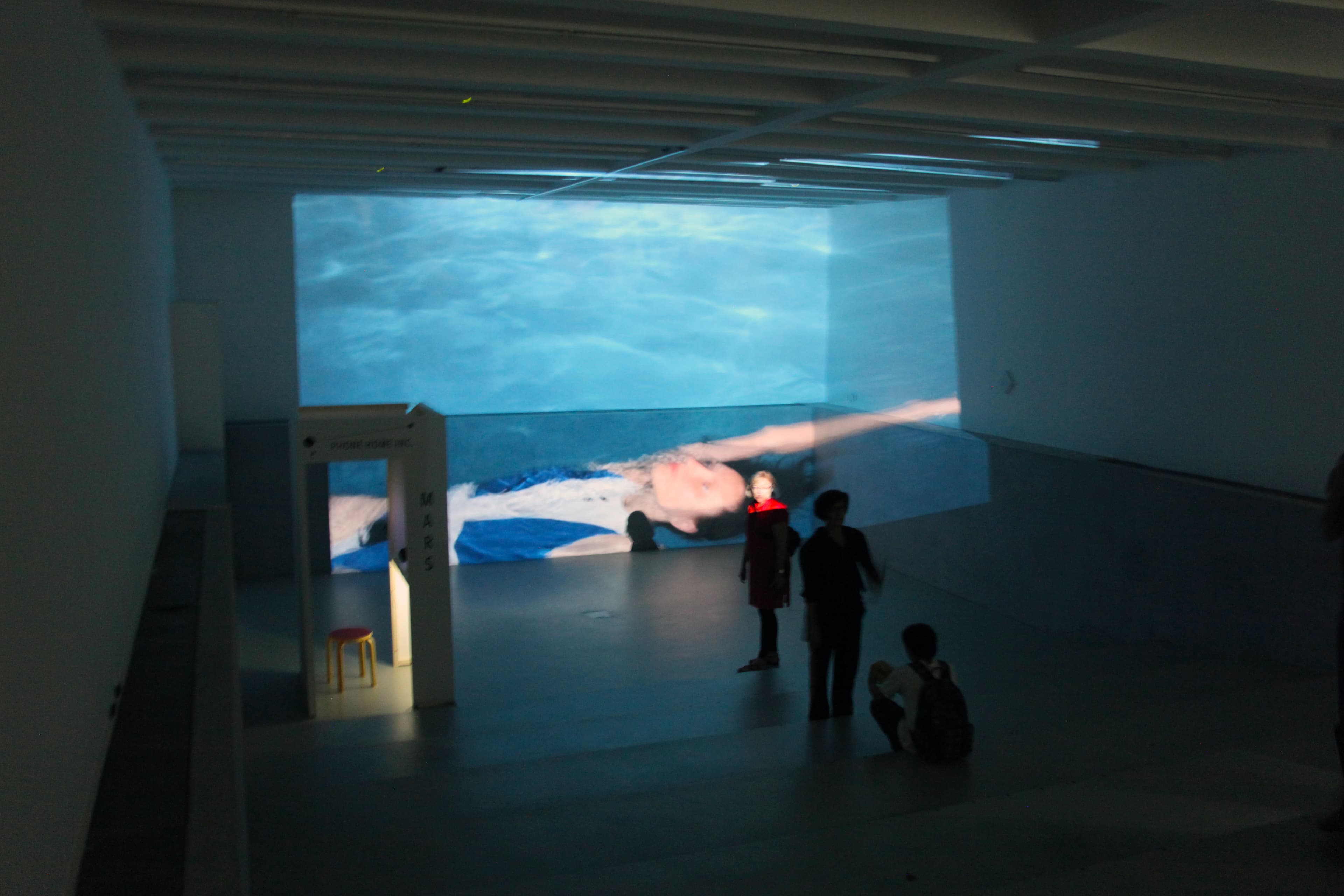
Slovenia harbors a budding space scene, epitomized by the Cultural Centre of European Space Technologies (KSEVT) and its research on space culturalization through Composite Missions of art and science. The Observing Space team harnessed the potential of this convergence to explore new ideas that can be sparked by the presence of the human in outer space. Space observations enable the understanding of unimaginable dimensions of time and space to be translated into a concrete individual experience, establishing a personal relationship to scientific knowledge about human and living existence in extraterrestrial space. The project was developed under the mentorship of Miha Turšič, director and co-founder of KSEVT, in collaboration with the Cultural Centre of European Space Technologies in Vitanje.
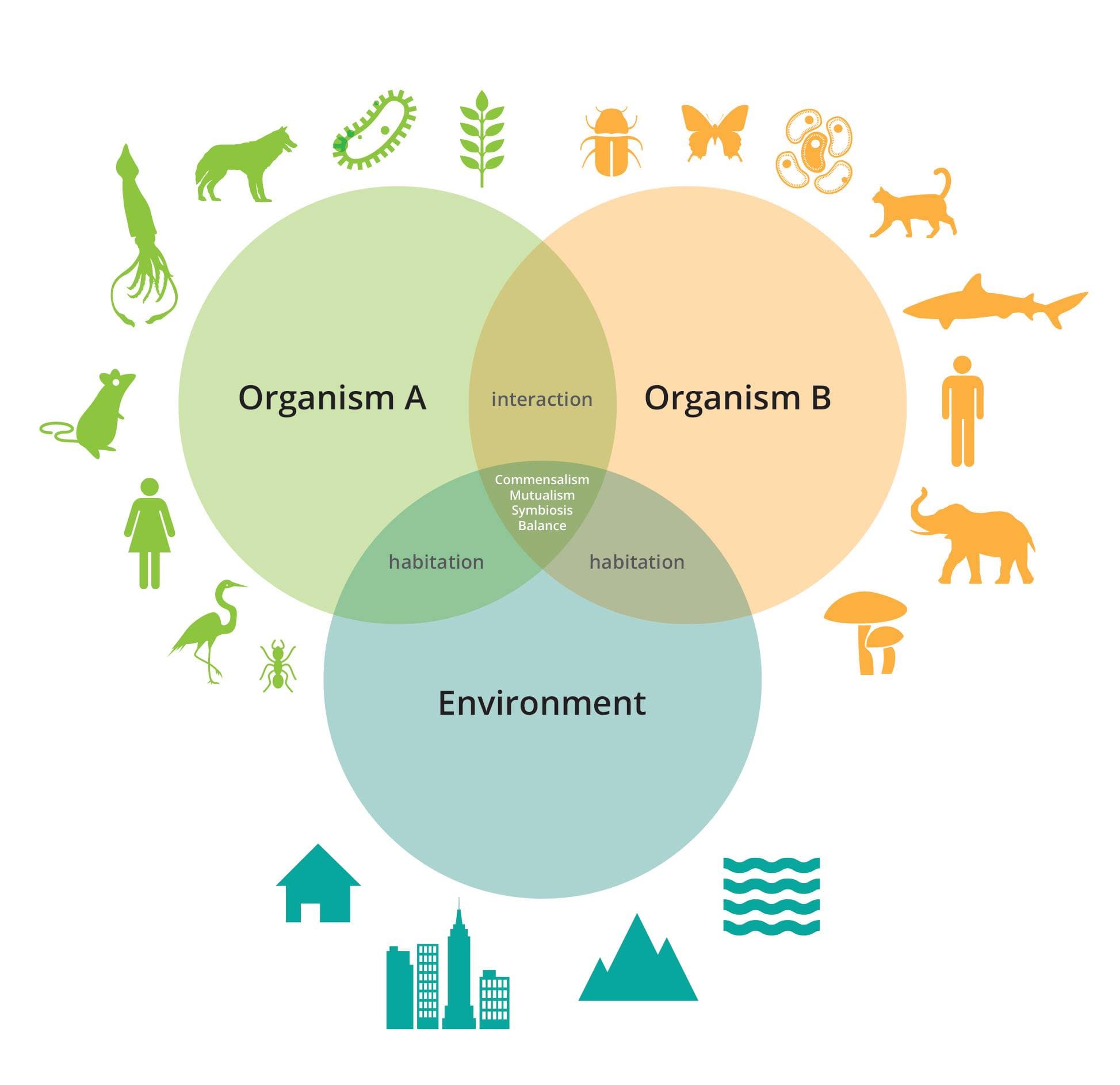
Designing Life emerges from the intersection of design and science, which in recent years has opened doors to new explorations of speculative futures and possible scenarios for everyday life. The project built upon Slovenia’s bio-art scene and pharmaceutical industry and engaged with biology and various scientific disciplines. The starting point was the understanding that evolution is the most elegant generator of form and function, operating as a system by which chance mutations are rewarded with survival and reproductive success. The team therefore asked how designers might speculate on the evolution of nature and design life. Based on recent scientific evidence, participants focused on plant reproduction and hypothesized on yet-to-be-discovered life. The team was mentored by Jurij Krpan, architect and curator, art director of Kapelica Gallery, and William Myers, writer and teacher, author of Biodesign: Nature + Science + Creativity, in partnership with Kapelica Gallery.
BIO 50: Now
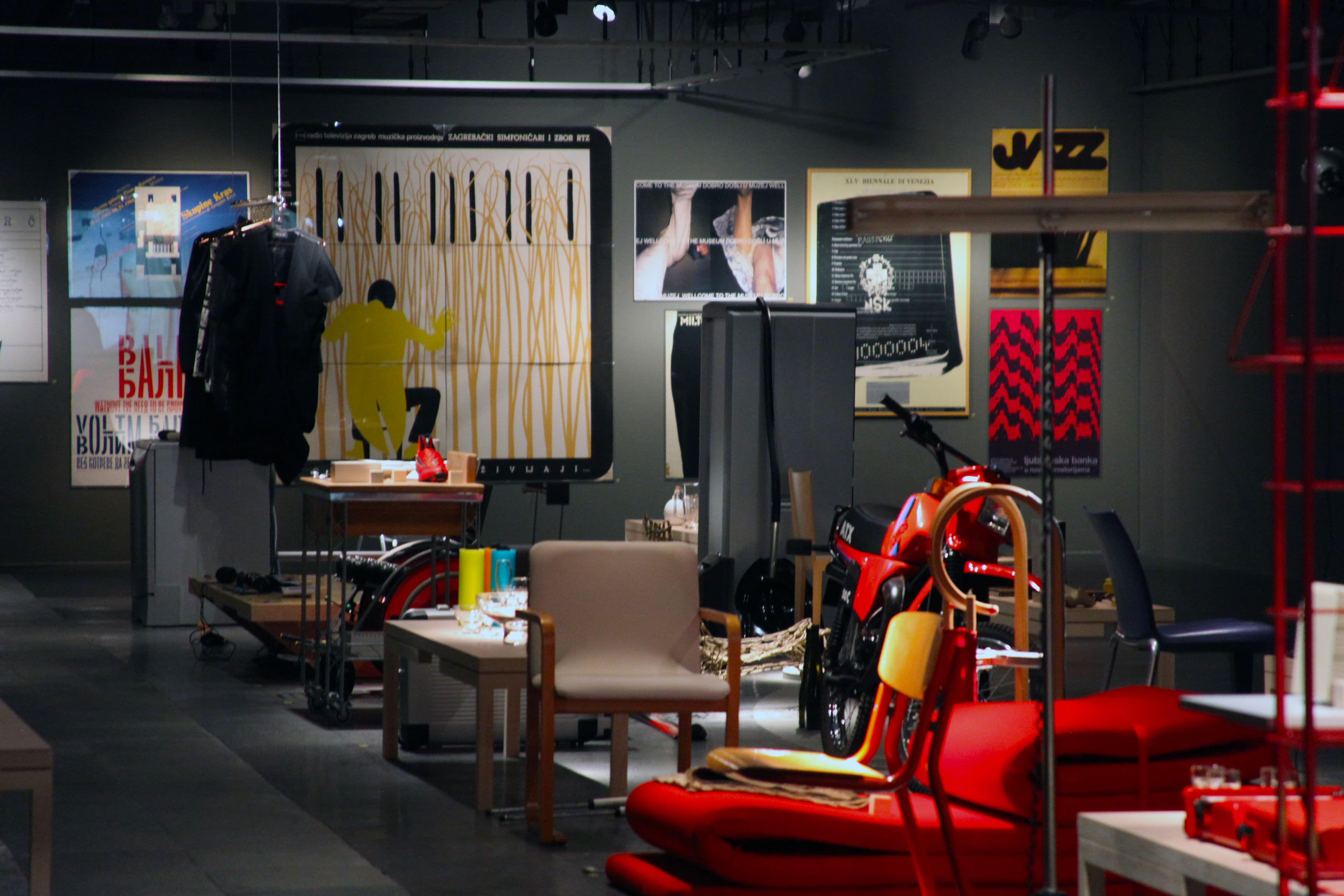
The exhibition The Biennial of (Industrial) Design over Fifty Years presents the history and development of one of the most important international design events, founded in 1963 as a comparative exhibition of Yugoslav and international achievements in industrial design. Over the decades, the Biennial encouraged the development of industrial production, raised the level of users’ taste and enabled the comparative evaluation of products from a wide range of categories, from furniture and lighting to transport, packaging and visual communications. The exhibition presents both the competitive character of the Biennial, through which awards and medals were granted, and the evolution of its concept, from national selections to open calls and curated biennials at the beginning of the twenty-first century. Visitors can follow changes in the design of everyday, public and working environments and observe how the meaning and function of industrially designed objects have changed over time. At the same time, the exhibition highlights the international character of the Biennial and its role in shaping the European and global design scene. Photo: Matevž Paternoster
The exhibition Homo faber presents the oeuvre of Marko Turk, who entered the field of design through electroacoustics, yet was early recognised by the profession – despite his own reservations – as one of the leading Slovenian designers, receiving several awards, including the Prešeren Award. The Museum of Architecture and Design holds the most extensive collection of his works, which testify to the exceptional level of Slovenian design in the early years of the discipline. Enriched with recent acquisitions, the exhibition is presented within the framework of BIO 50: NOW and is accompanied by workshops and guided tours. The exhibition is curated by Špela Šubic. Photo: Dragan Arrigler
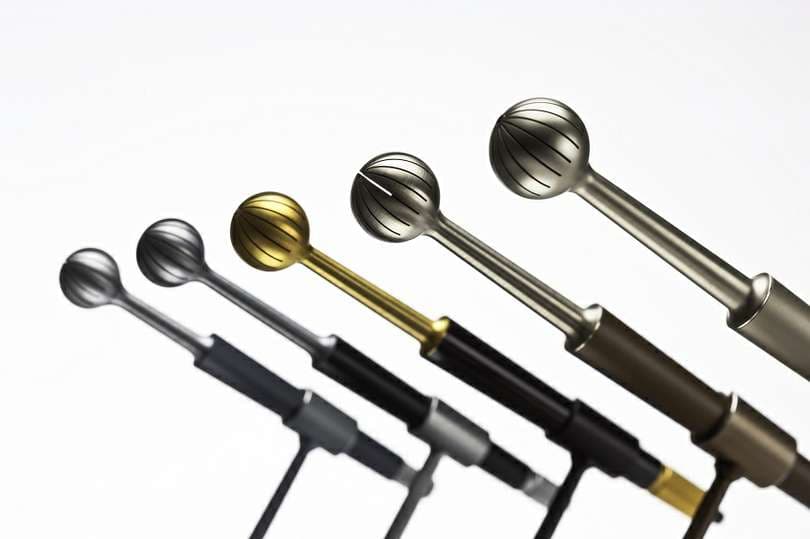
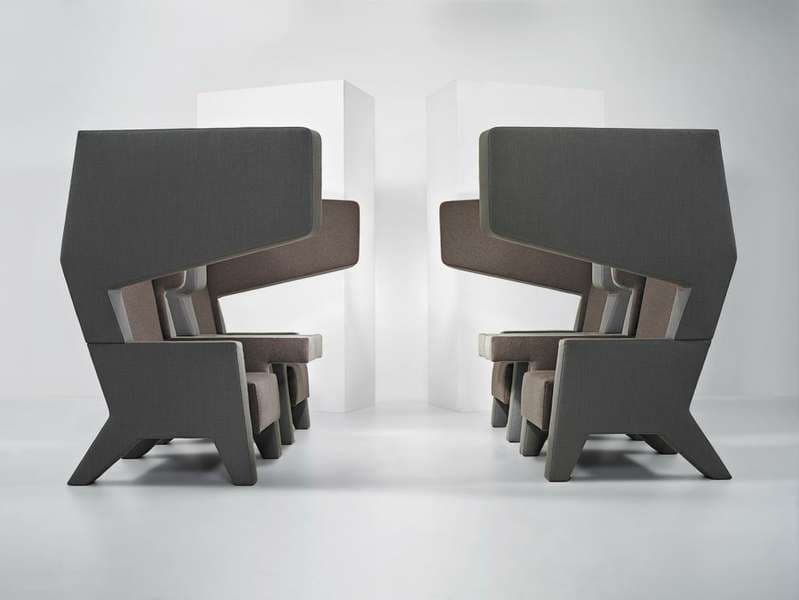
An exhibition of contemporary Dutch design is presented at the residence of the Netherlands’ Ambassador in Ljubljana. Prepared by Rianne Makkink in collaboration with the Museum of Architecture and Design and Studio Strle Svetila, the exhibition forms part of the BIO 50 programme and the Ambient Furniture Fair. The exhibition is accompanied by a public discussion on contemporary design moderated by Jan Boelen, chief curator of BIO 50. The exhibition venue – a contemporary Dutch residence designed by architects Matija Bevk, Vasa Perović and Blaž Kanduš – further emphasises the fundamental characteristics of Dutch culture through its transparent and flexible architecture
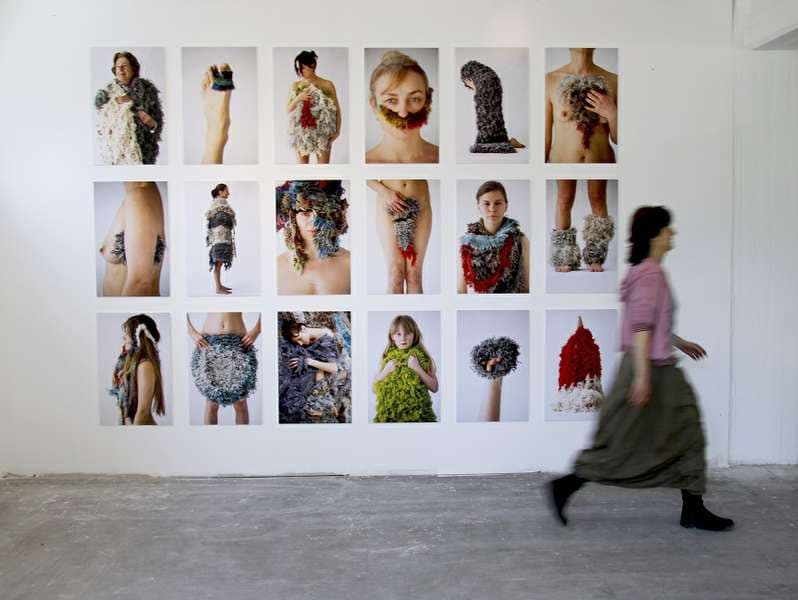
The project Body, Textile, Memory explores the natural rhythms of the female body and the objects and symbolic meanings connected to them through the personal and collective experiences of women. Designers from the Oloop Institute, together with guest artists Solen Kipos and Mine Ovacik Dortbas, develop the project between Ljubljana and Izmir, creating abstract textile pieces as material signs of different stages of life. The exhibition presents both the final works and the creative process itself, and is curated by Saša Nabergoj.
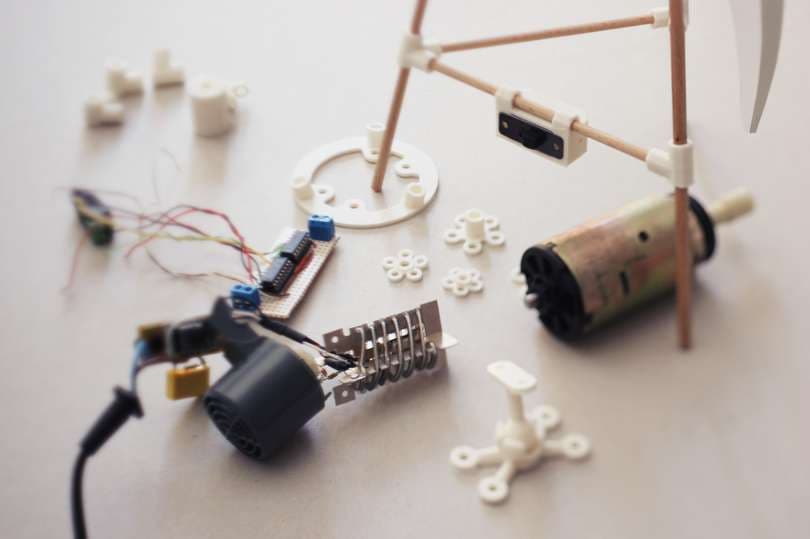
The debate Collaboration, Authorship, Open Systems – Open Creativity: A Trend or the Future? explores the possibilities and challenges of open creation, from 3D-printed objects to combinations that acquire their function only in the future, while addressing the role of designers, architects and the wider creative community in this production revolution. The round table was moderated by Eva Perčič and featured dr. Maja Bogataj Jančič, Tilen Sepič and Rok Deželak. The event is part of the BIO Debates series, which uses lectures, discussions and presentations to address current topics in the design of everyday life. Photo: Tilen Sepič
The debate New Economy – Increasingly Attractive, Increasingly Vulnerable? opens a discussion on the complexity of new economic models, such as economies of trust, sharing and solidarity, as well as on their opportunities and risks. Participants discuss the role of designers, architects and other creative practitioners in the co-creation of these models, and the boundary between community-based and corporate practices. The event is part of the BIO Debates series, accompanying the biennial and addressing current issues in the design of everyday life. Photo: Lucijan & Vladimir

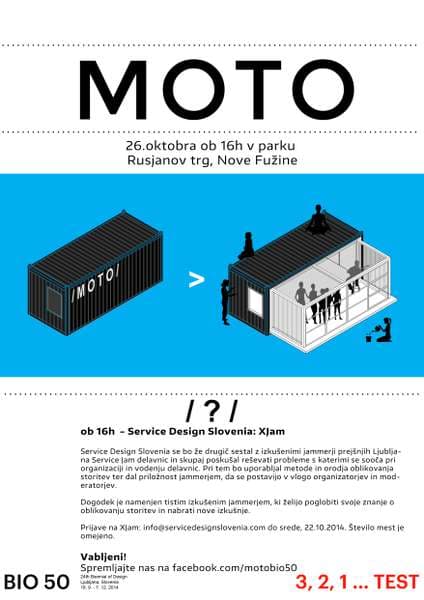
The Service Design Slovenia XJam event brings together experienced participants of previous Ljubljana Service Jam workshops, who take on the roles of organisers and facilitators through the methods and tools of service design. The event is intended to deepen participants’ knowledge and provide new experience in addressing the challenges of organising and facilitating workshops. The event was prepared by members of the MOTO project, part of the Affordable Living Team, within the framework of BIO 50.