BIO 27 Super Vernaculars – Design for the Regenerative Future

BIO 27 Super Vernaculars – Design for the Regenerative Future

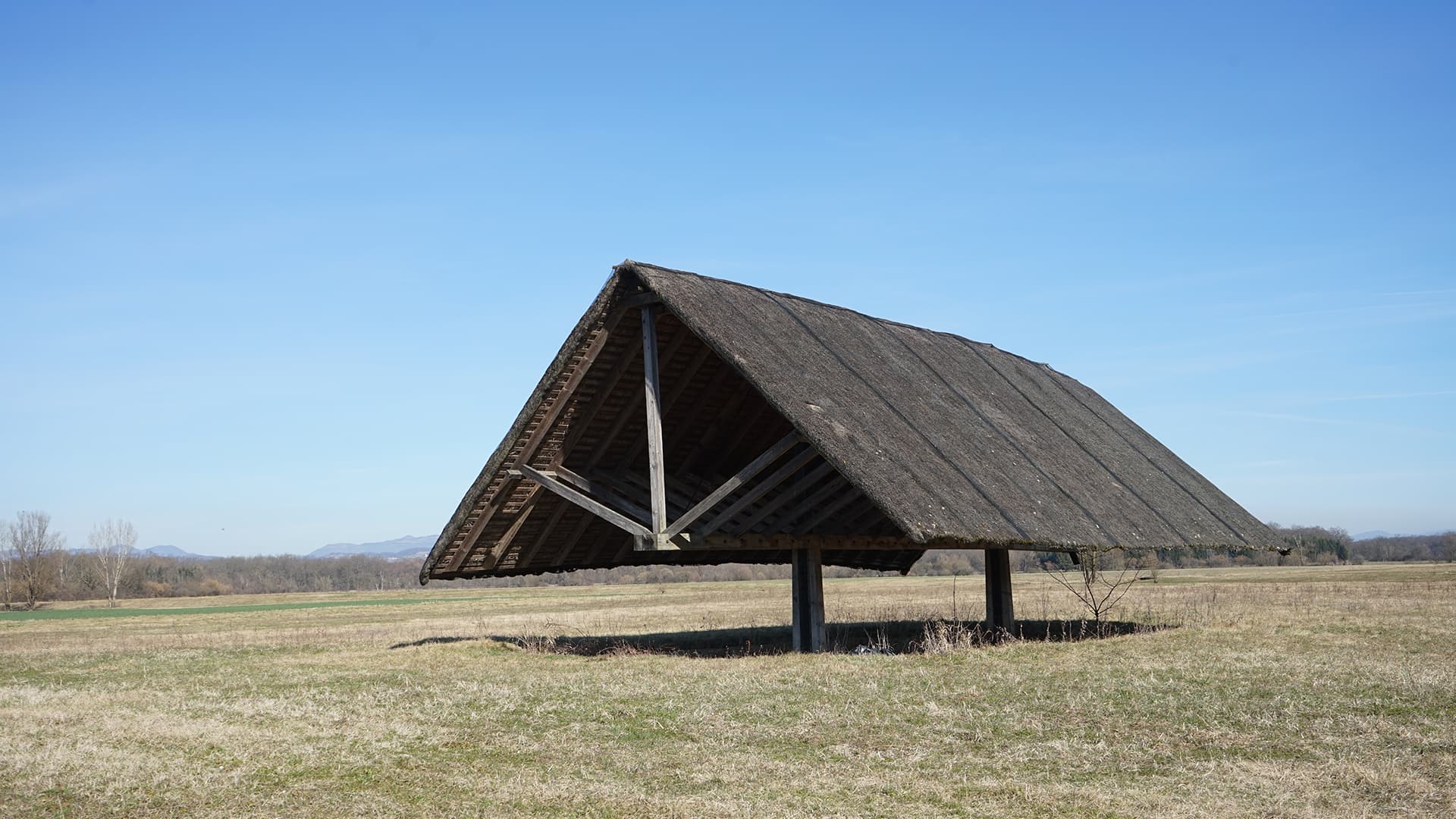
Global expansion and the pursuit of profit at the planet’s expense have precipitated the climate crisis and accelerated a massive imbalance between humanity and the natural world. Super Vernaculars, Bio 27’s central theme, explores a growing and ambitious movement that takes inspiration from vernacular and indigenous architecture and design traditions around the world to shape a radical vision for a more resilient and responsive future. In design culture, the term vernacular is generally associated with traditional architecture and design, but the approach defined by Super Vernaculars is in no way reactionary or retrogressive. 

At the intersection of innovation, anthropology and ecology, the philosophy and movement gathering force around it are based on an increasing recognition of the value of TEK (Traditional Ecological Knowledge) as a catalyst for inspiring contemporary design culture and rebooting toxic value systems. In contrast to our extractive ‘take make waste’ economy, these practices are rooted in regenerative systems and cultures that live with the earth rather than from it. Vernacular is generally associated with traditional architecture and design practices, but the Super Vernaculars approach is not reactionary or regressive. For BIO27, Super Vernaculars will bring together designers and thinkers who are exploring alternative narratives to the industrial and technocentric as inspiration for 21-st century innovation. In the midst of the pandemic, and a period of seismic change and improvisation, this call to explore cultures and wisdom traditions largely ignored in the modern industrial era as a catalyst to designing a more equitable future is more relevant than ever.

In his 2020 BBC Reith Lectures Mark Carney, Canadian economist and former governor of the Bank of England, argues that behind the environmental crisis is a crisis in values brought about by rampant global capitalism. Clearly if we are to engineer a shift from the industrial revolution to a sustainable revolution, society’s underlying values need to change.

Super Vernaculars is rooted in the work of pioneering thinkers from Bernard Rudofsky (Architecture without Architects, MoMA 1964) to Julia Watson (Lo-TEK 2019) who have been influential in illuminating indigenous cultures and vernacular traditions and their value for the contemporary world. In ‘Architecture Without Architects’, Bernard Rudofsky argued that the philosophy and know-how of vernacular architecture presents a vast untapped source of inspiration for industrial man as ‘They (anonymous builders) rarely subordinate the general welfare to the pursuit of profit and progress’. In Lo-TEK, Watson argues that it is time to reset our thinking. ‘The indigenous cultures of the world, many of which have been obscured by the shadow of progress, need to be recognised as innovative rather than primitive and have their knowledge embedded in the thinking of our future.’


These ideas have been gaining in credence and influence in recent years, and BIO27 Super Vernaculars is an opportune moment to collect and interrogate proposals for alternative ways of building, farming, making, eating, and living that are inspired by experiences and value systems from diverse cultures. Exploratory, interdisciplinary, and intercultural, Super Vernaculars will not be a conventional design or architecture show. Instead, it is envisaged as a collection of stories told through case-studies that show how these ideas are serving as a springboard for contemporary innovation. As well as showcasing design projects from different corners of the globe, visitors will encounter a series of commissions that engage the next generation of designers and citizens and aim to demonstrate the potential for this approach to address regional and global issues at scale and rank among contemporary approaches to climate change. In a period of reflection and reckoning, this call to explore more diverse cultures and practices as a catalyst to designing a more equitable future is more relevant than ever.

‘Super Vernaculars is a chance to explore a promising movement in contemporary design that looks to vernacular traditions and largely non-western cultures as a springboard for fresh 21st century ideas. Clearly many of the ways we do things in industrialised countries have fuelled the climate catastrophe and if we are to engineer a sustainable revolution, we need to adopt a different mindset and values. Growing interest in TEK - Traditional Ecological Knowledge - is providing a rich seam of inspiration for contemporary designers looking to regenerative systems that live with the earth rather than from it. Super Vernaculars aims to give a platform to this movement and explore its potential to address regional and global issues at scale, and rank among contemporary approaches to climate change.’

Curator

Jane Withers

“Super Vernaculars is a chance to explore a promising movement in contemporary design that looks to vernacular traditions and largely non-western cultures as a playbook for the future. Clearly many of the ways we do things in industrialized economies have fuelled the climate catastrophe, and if we are to engineer a sustainable revolution, we need to adopt a different mindset and values. Growing interest in vernacular practices and TEK (Traditional Ecological Knowledge) is providing a rich seam of inspiration for contemporary designers looking to regenerative systems that live with the earth rather than from it. For Bio 27, the focus will be on exploring how local design teams are responding to and shaping these global narratives in a regional contex.”

- Jane Withers, Curator of BIO27

Exhibition

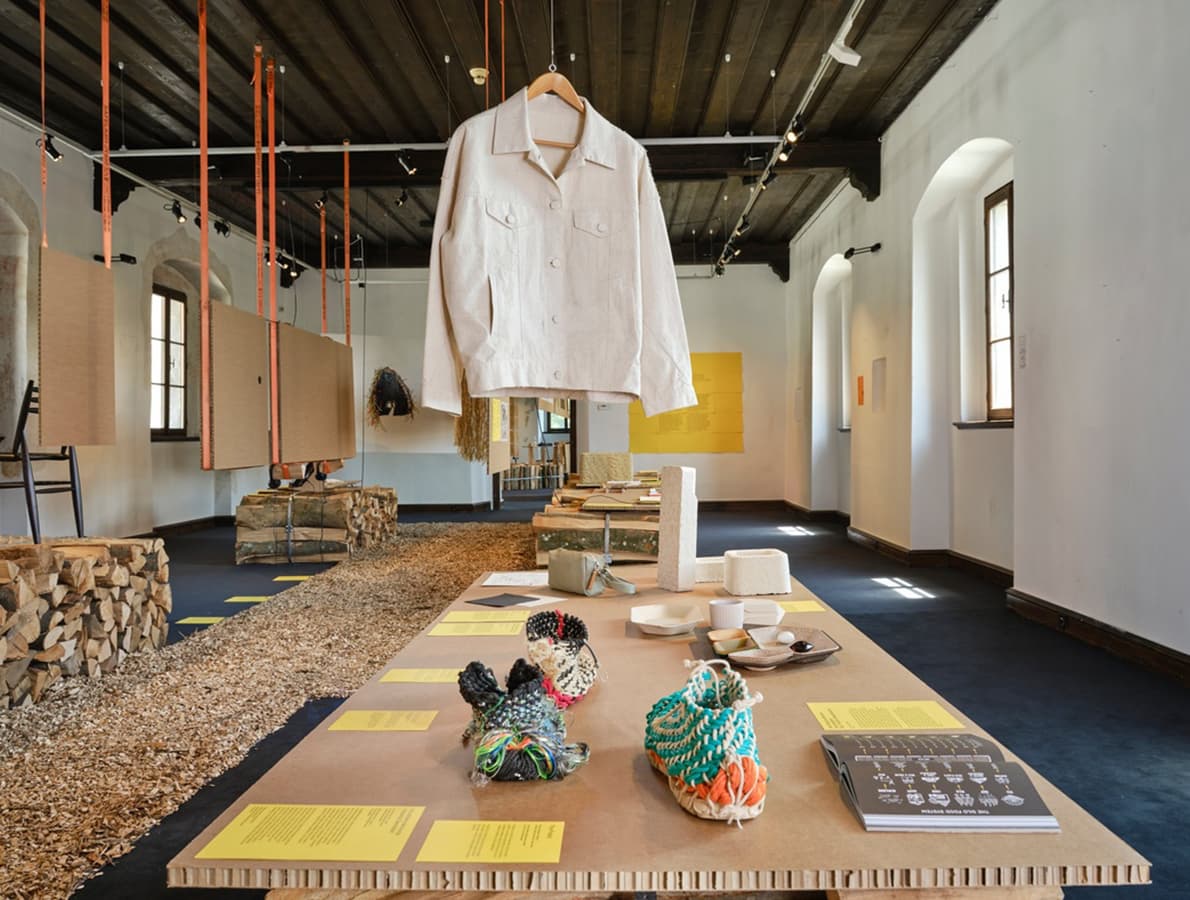
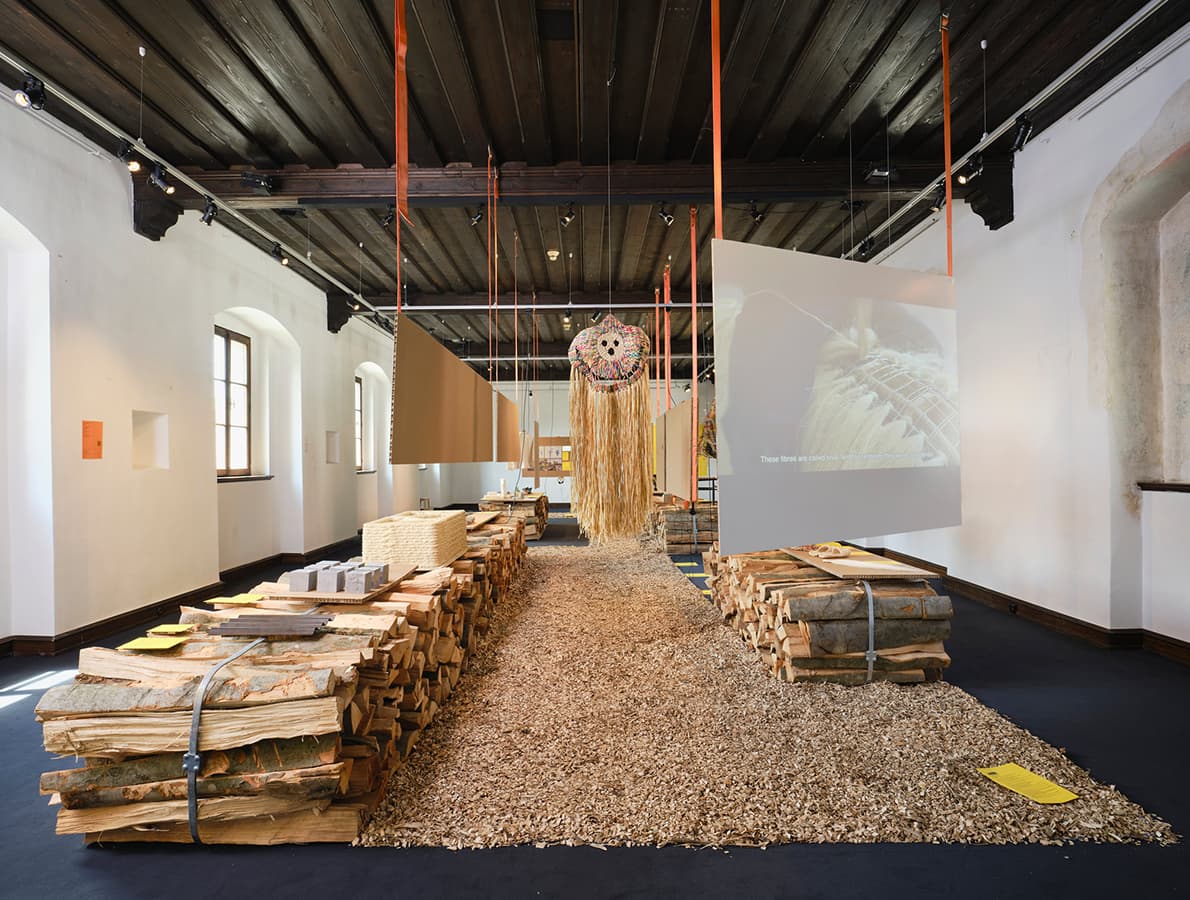
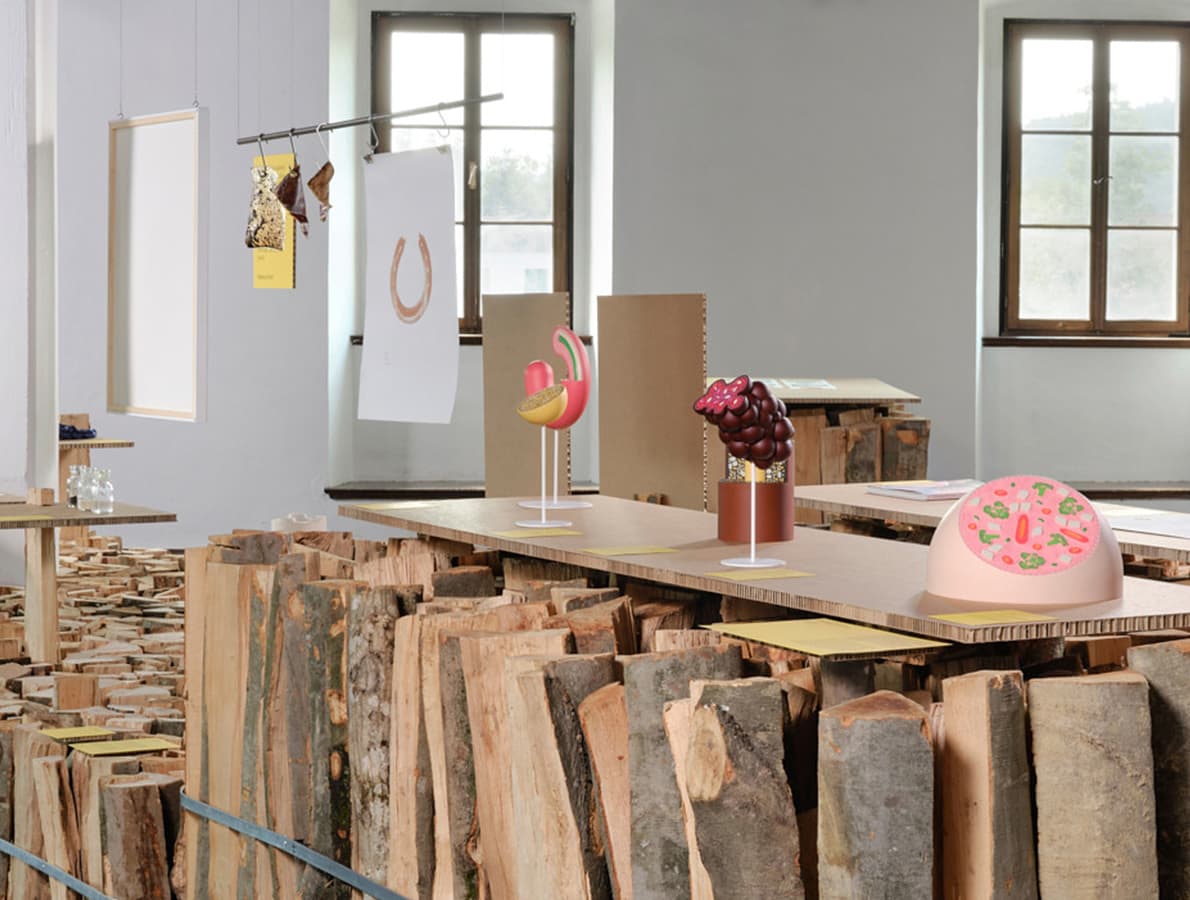
Super Vernaculars reveals how designers and architects are revisiting vernacular traditions and value systems largely ignored in the modern era to create imaginative responses to contemporary challenges such as water scarcity, waste and declining biodiversity.

1/7

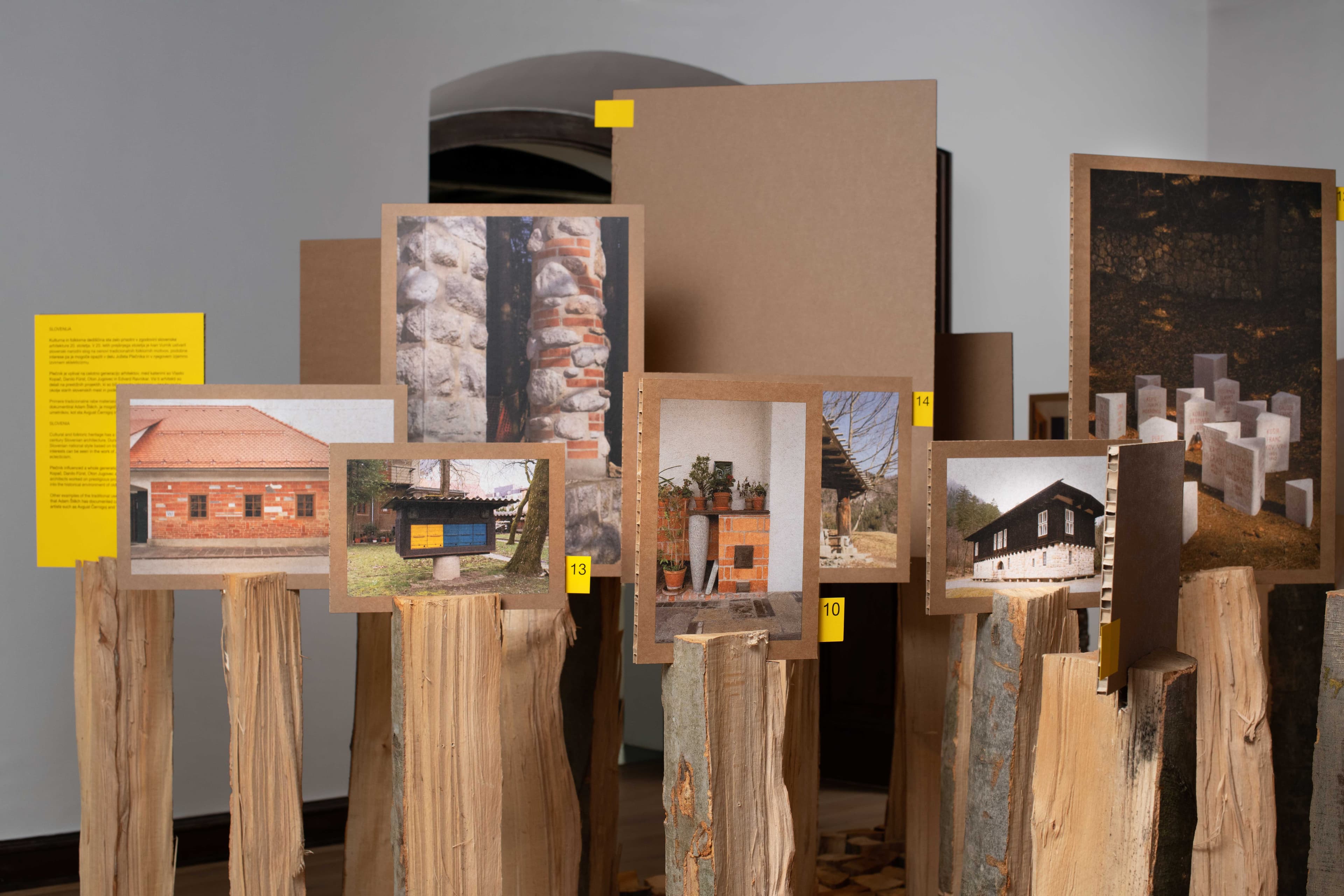
BIO27 Super Vernaculars commission: ‘When International Style Went Local: Vernacular Modernism in Slovenia and Croatia’ Adam Štěch, 2022, installation view of Jože Plečnik’s buildings in Slovenia. Photo: Urban Cerjak / MAO

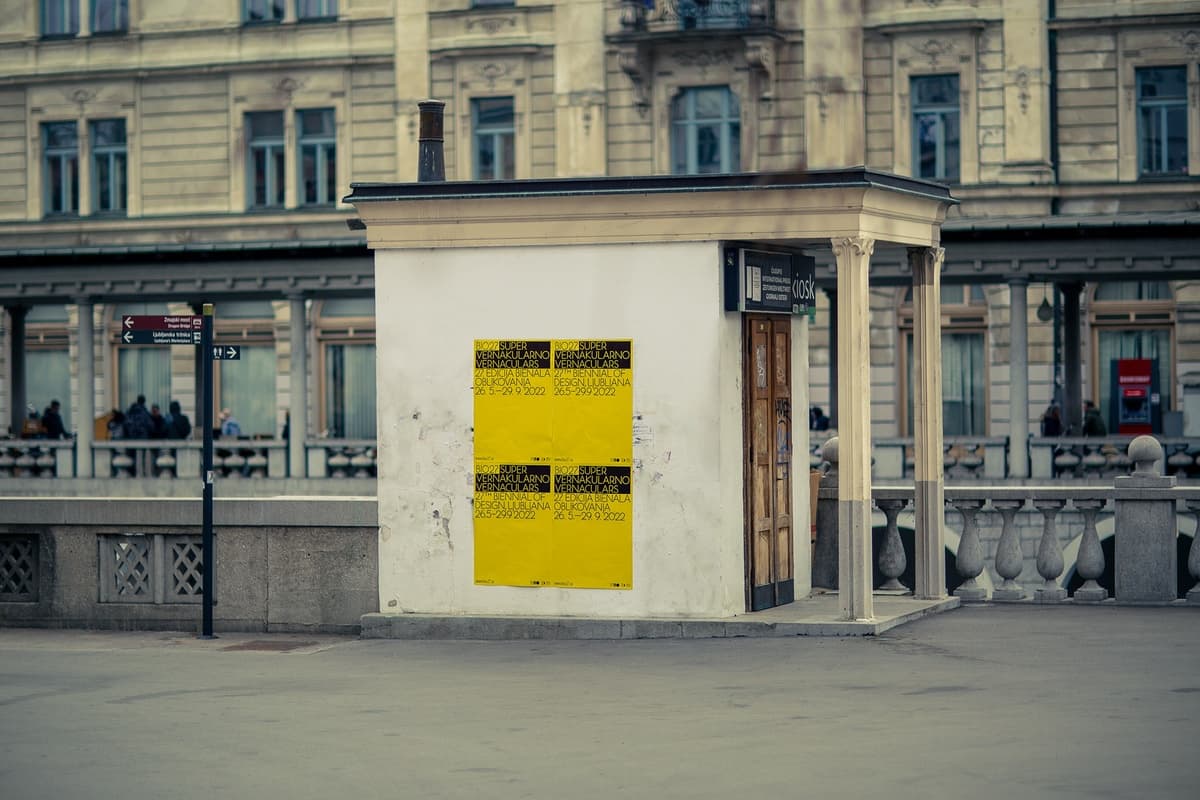
BIO27 Super Vernaculars. 21 Supermanifesti / Mega posters on the city walls of Civitanova Marche, Mauro Bubbico, Museo Magma, September/October 2021. Part of a group curated by Marco Sammicheli – Triennale di Milano. Photo: Klemen Ilovar / MAO

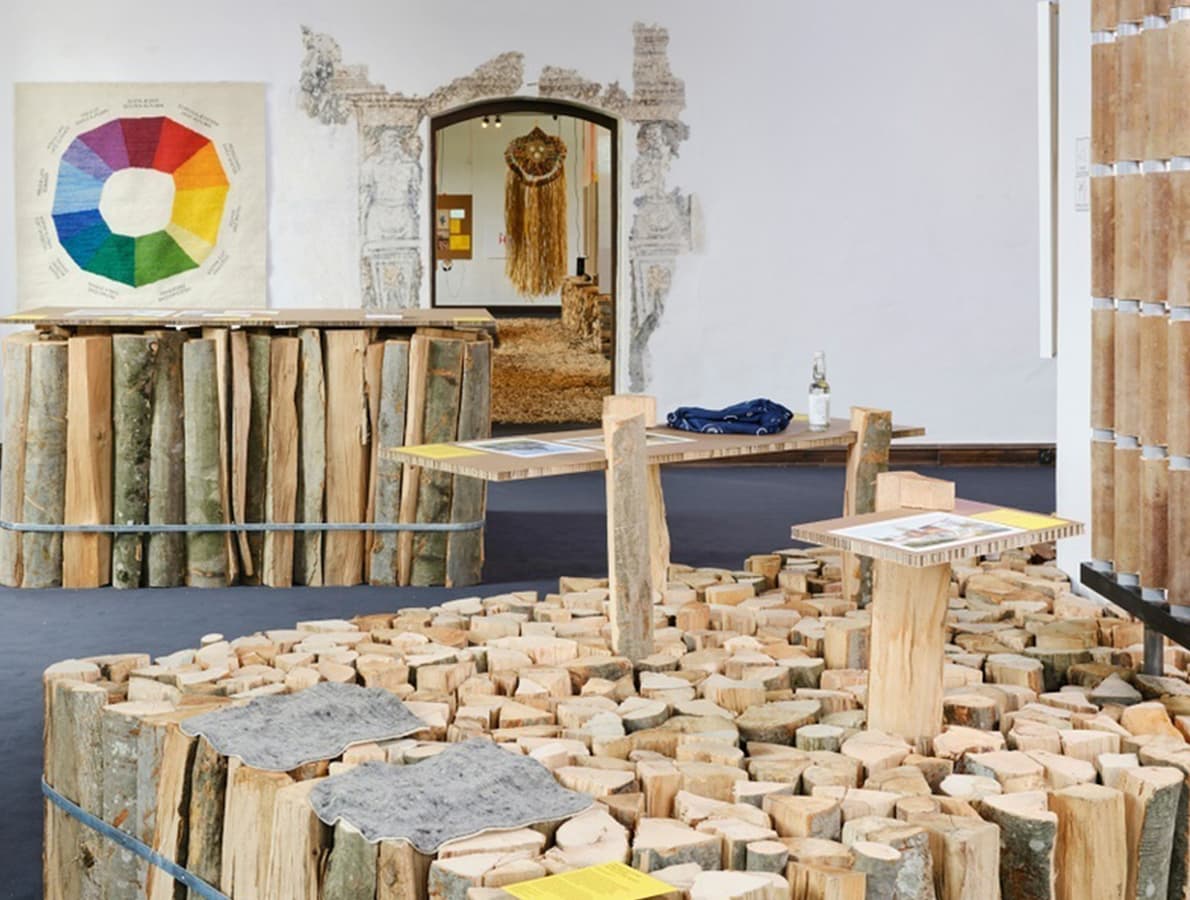
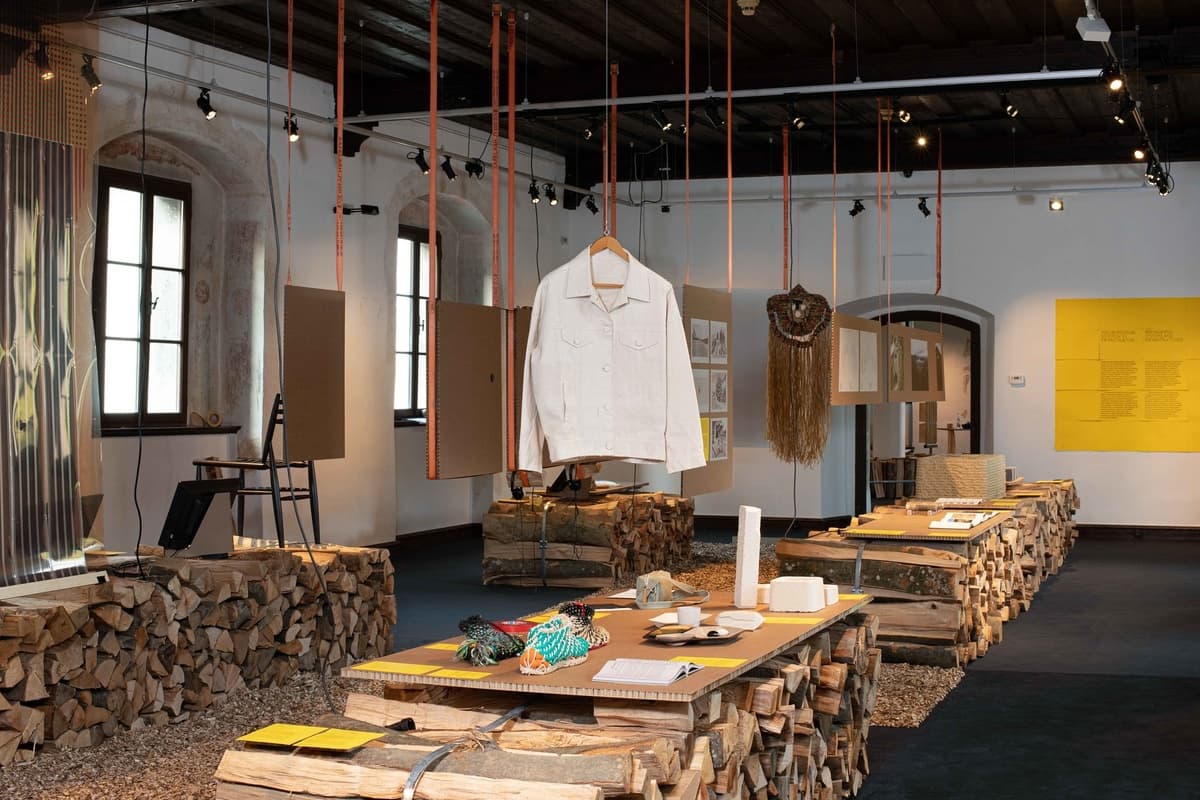
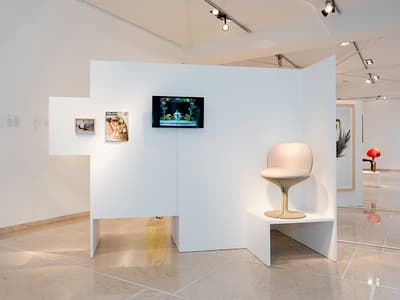
BIO27 Super Vernaculars exhibition view. Mushroom hat, 19th century. Lender: Ethnographic Museum, Ljubljana. Photo: Klemen Ilovar / MAO

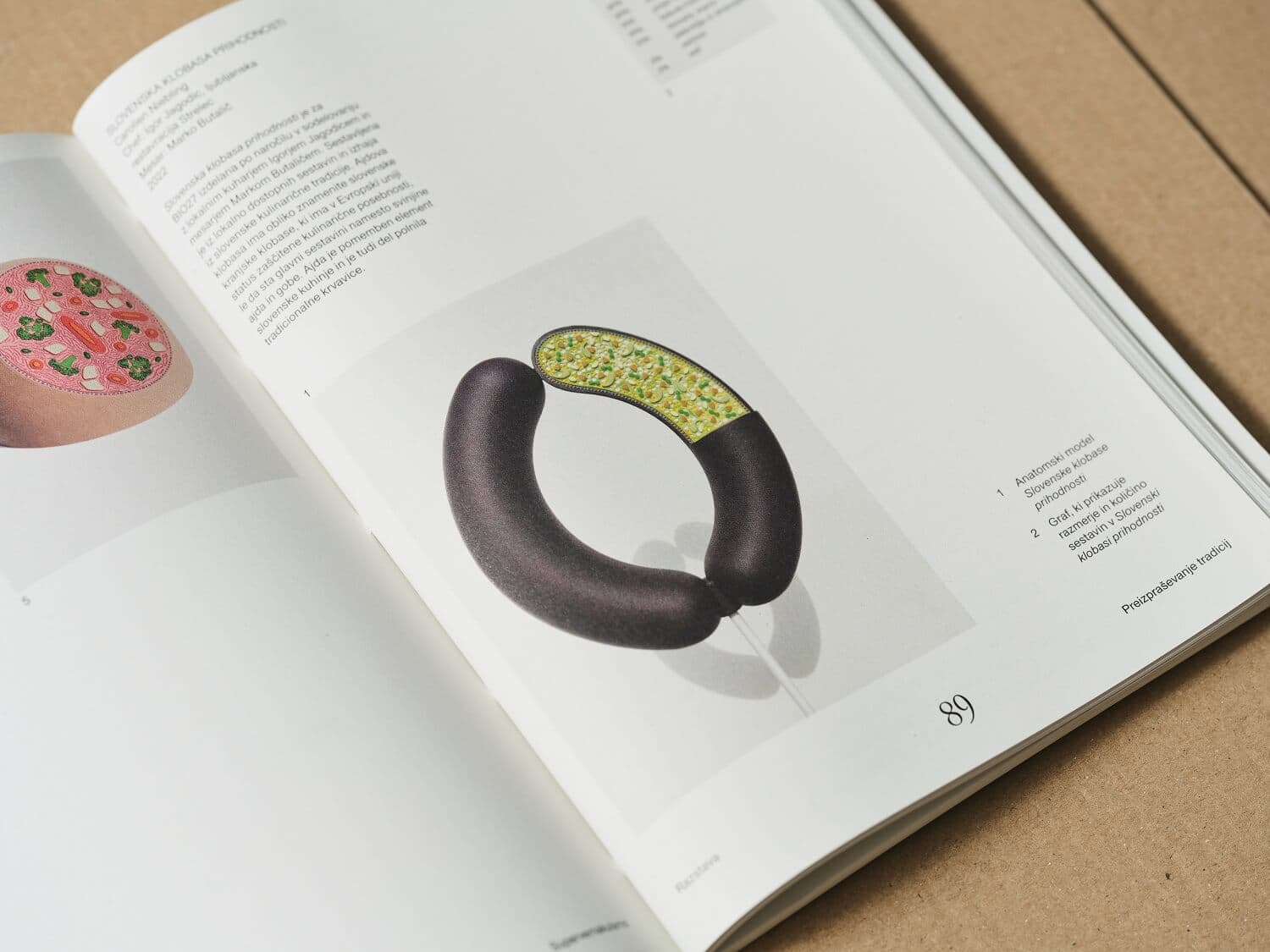
BIO27 Super Vernaculars, Sausage of the Future by Carolien Niebling, Mortadella with Vegetables, 2017. Photo: Klemen Ilovar / MAO

BIO27 Super Vernaculars, Sausage of the Future by Carolien Niebling, Mortadella with Vegetables, 2017. Photo: Klemen Ilovar / MAO

BIO27 Super Vernaculars, Industrial Devolution by Ruben Warnshuis, 2021-ongoing. Photo: Klemen Ilovar / MAO

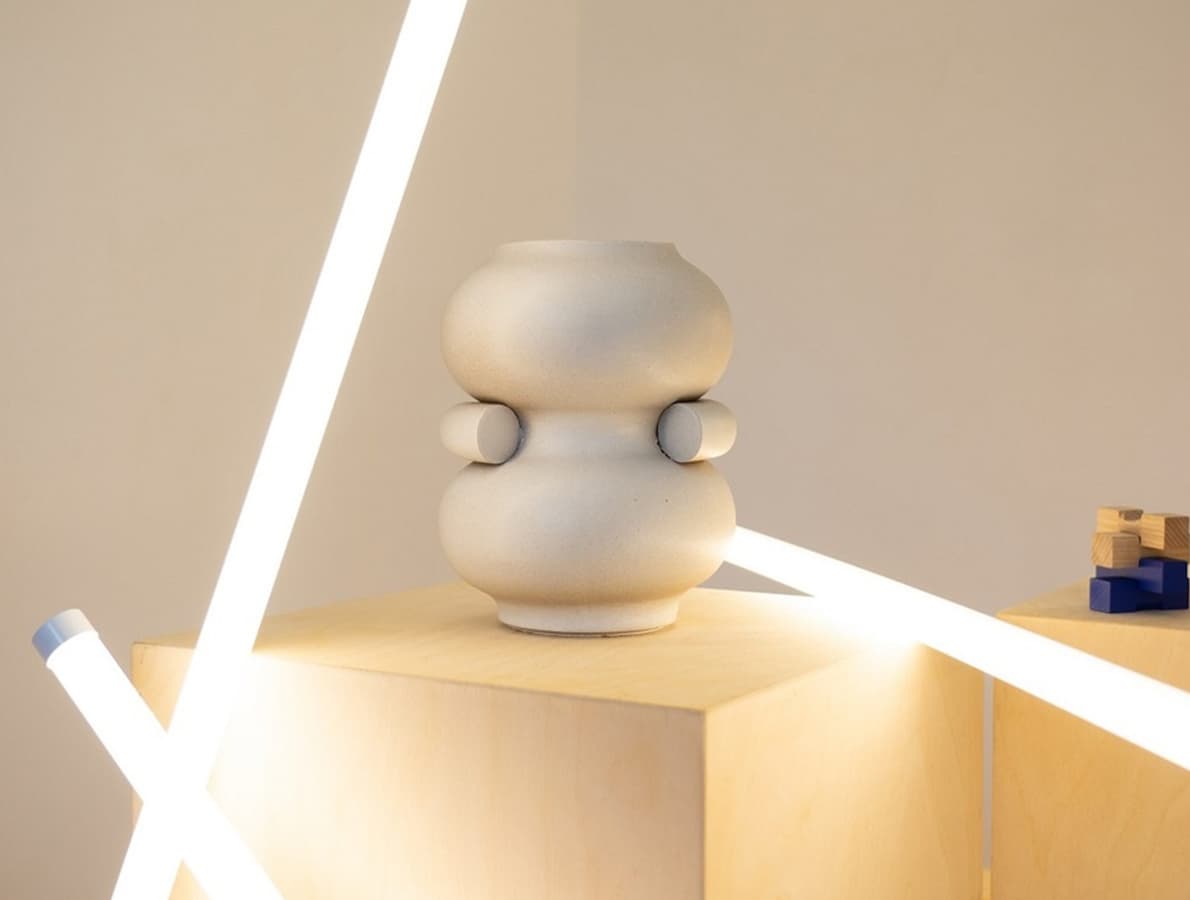
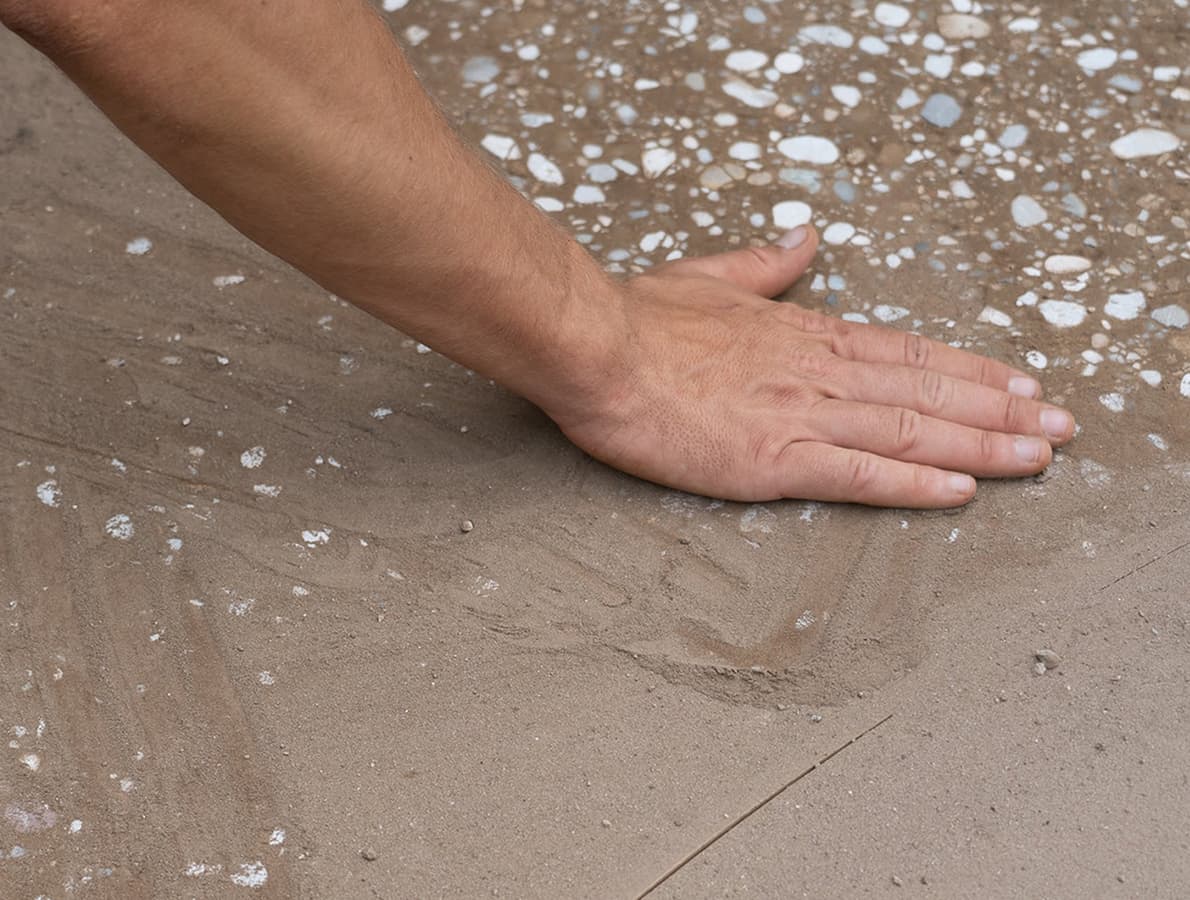
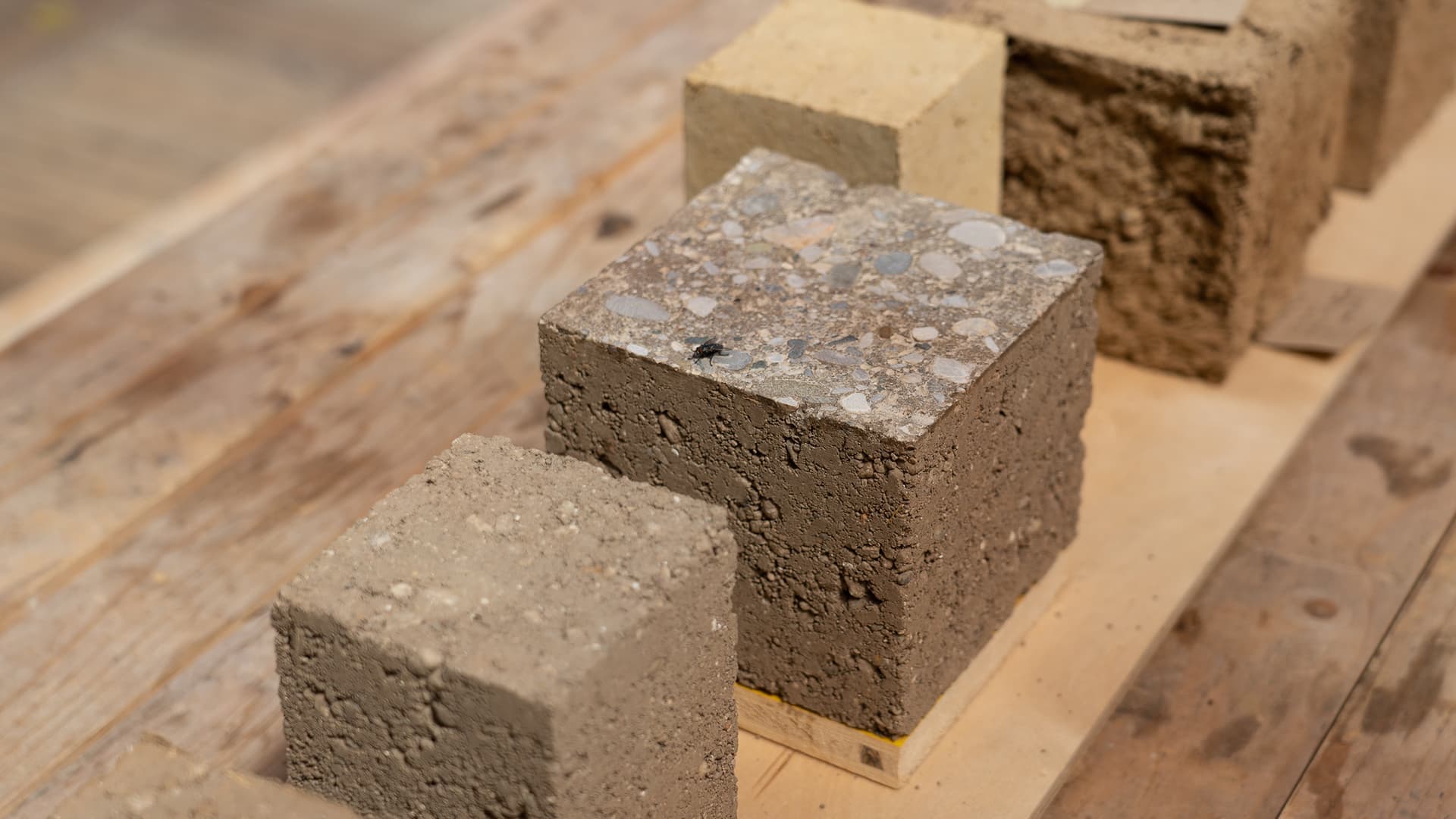
BIO27 Super Vernaculars, samples of Saferock geopolymer cement by Saferock, 2022 - ongoing. Photo: Klemen Ilovar / MAO

Production Platform

BIO27 Super Vernaculars’ production platform produced in cooperation with Centre for Creativity (CzK), features five Slovenian interdisciplinary teams mentored by internationally acclaimed creatives to tackle compelling problems of local communities and the environment.

Forbidden Vernaculars

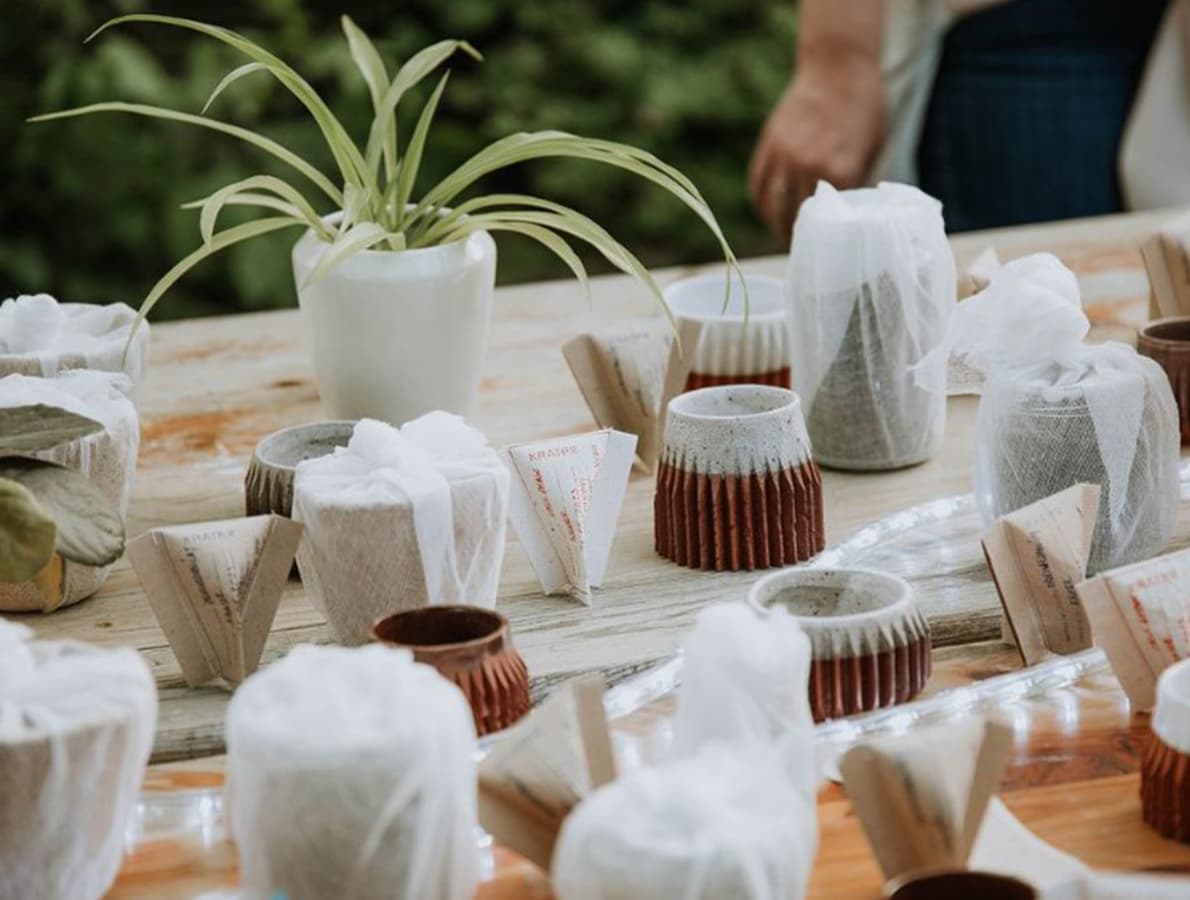
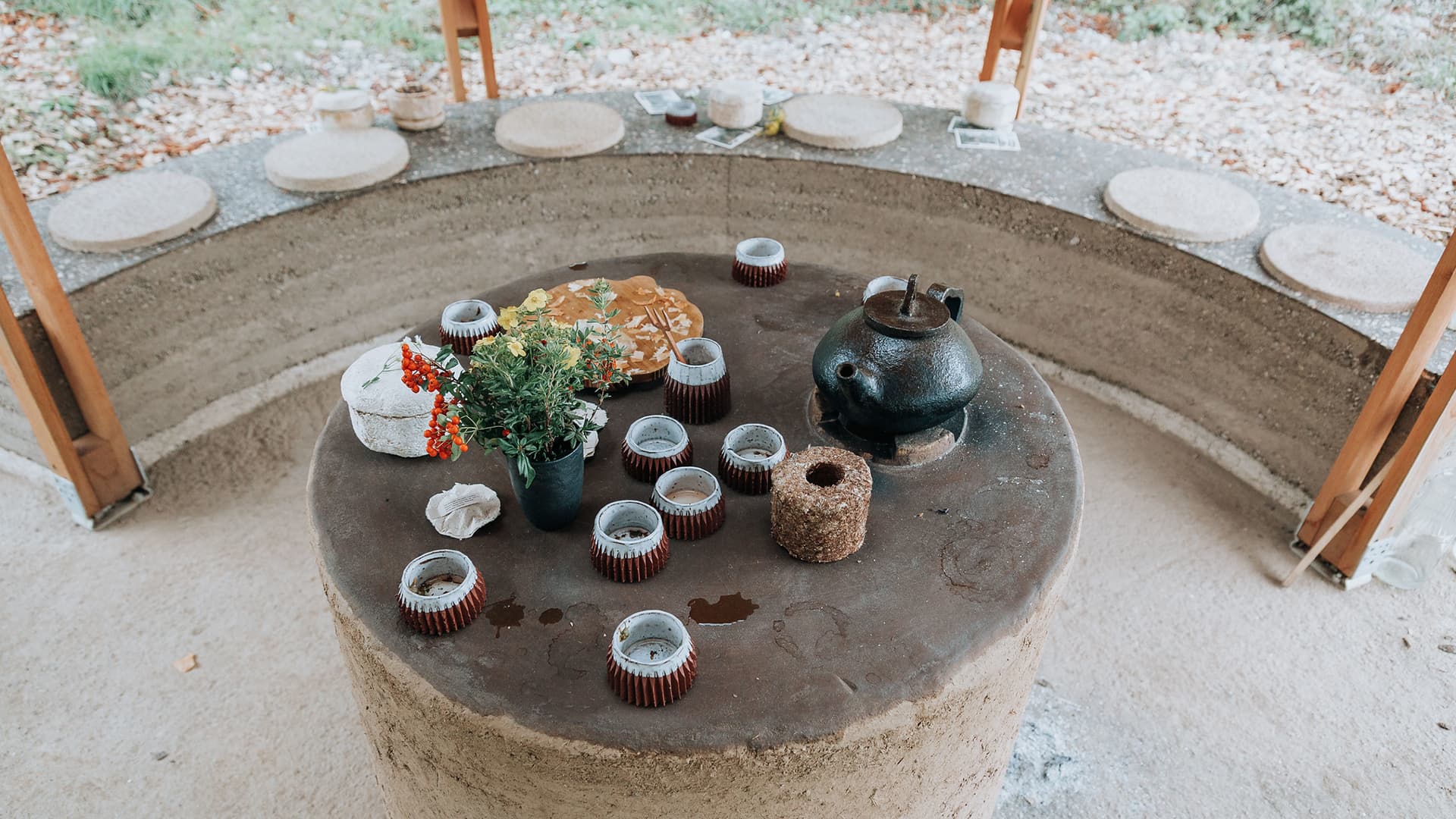
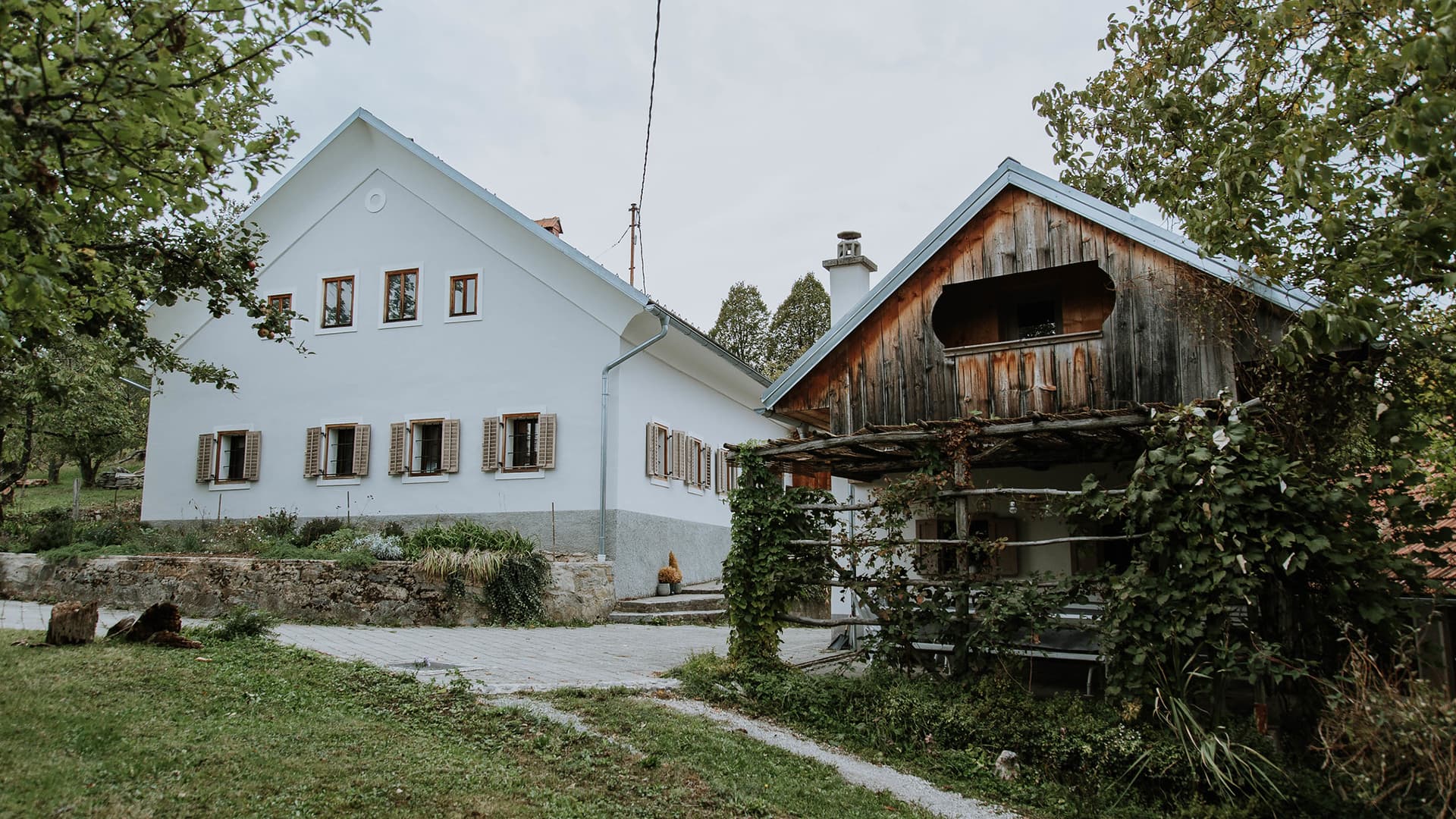
Design collective Krater in dialogue with Atelier LUMA (France) and BC Materials (Belgium) is developing ongoing research into rammed earth architecture to create a teahouse that is situated on the crater-like construction site in the heart of Ljubljana occupied by Krater.
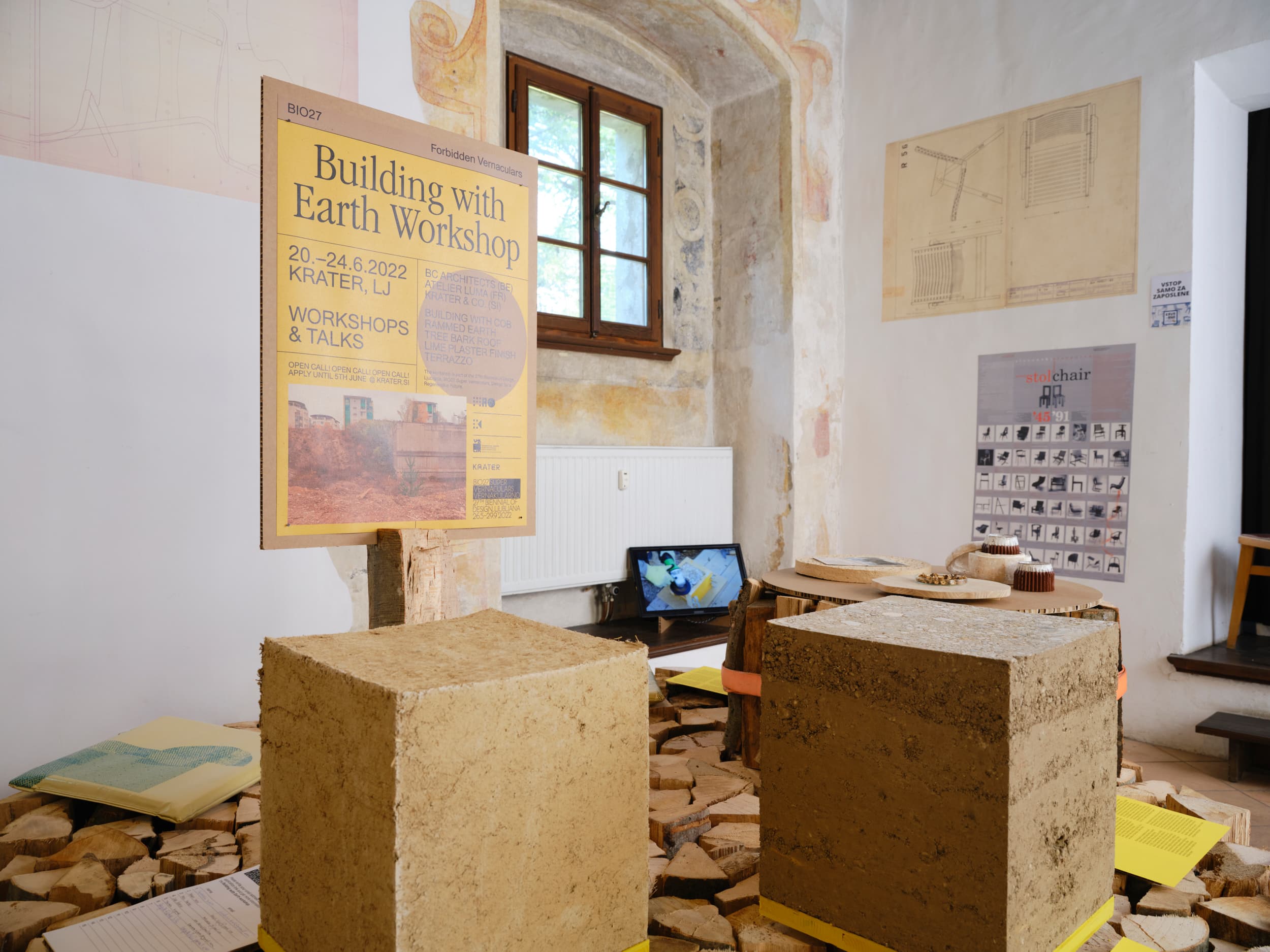
Forbidden Vernaculars

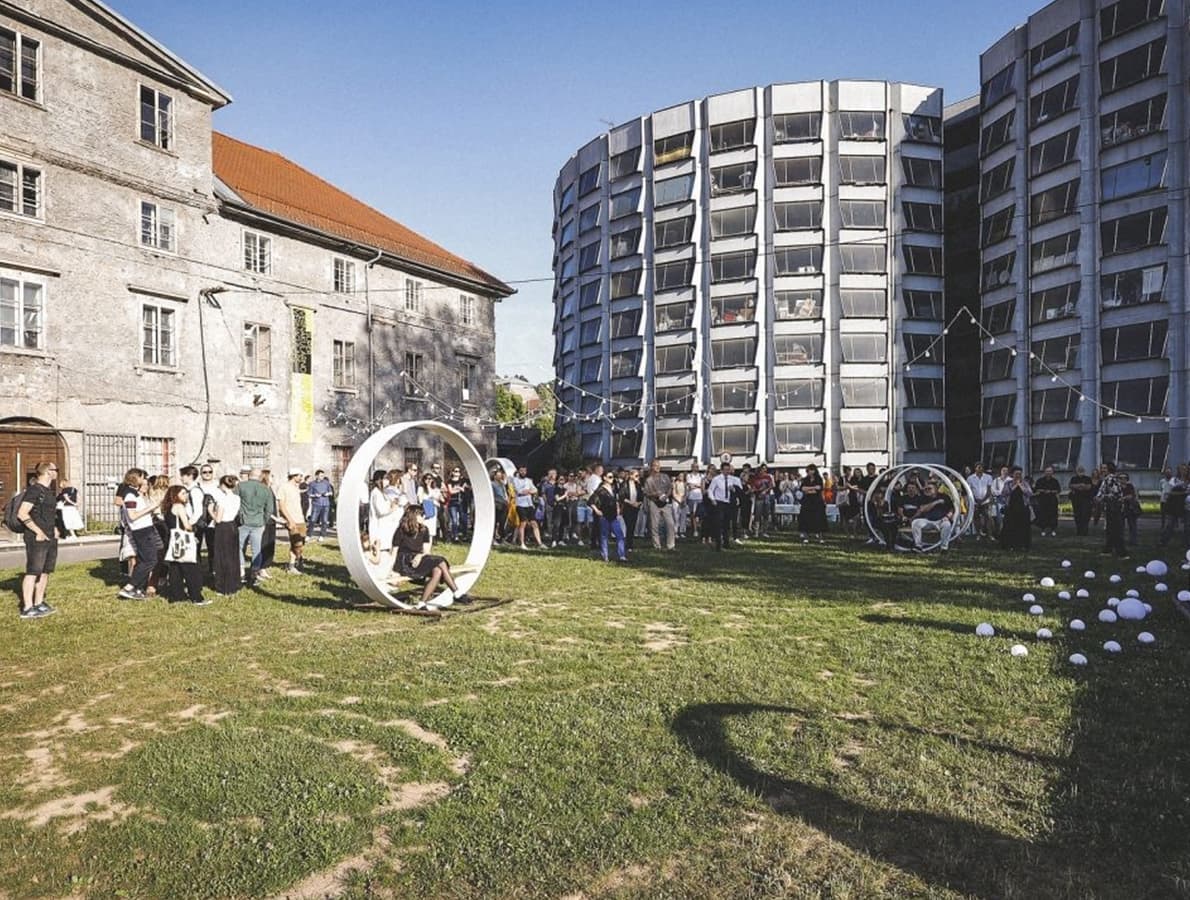
BIO27 Production platform, team Krater. Foto: Klemen Ilovar / MAO

Grains for Brains

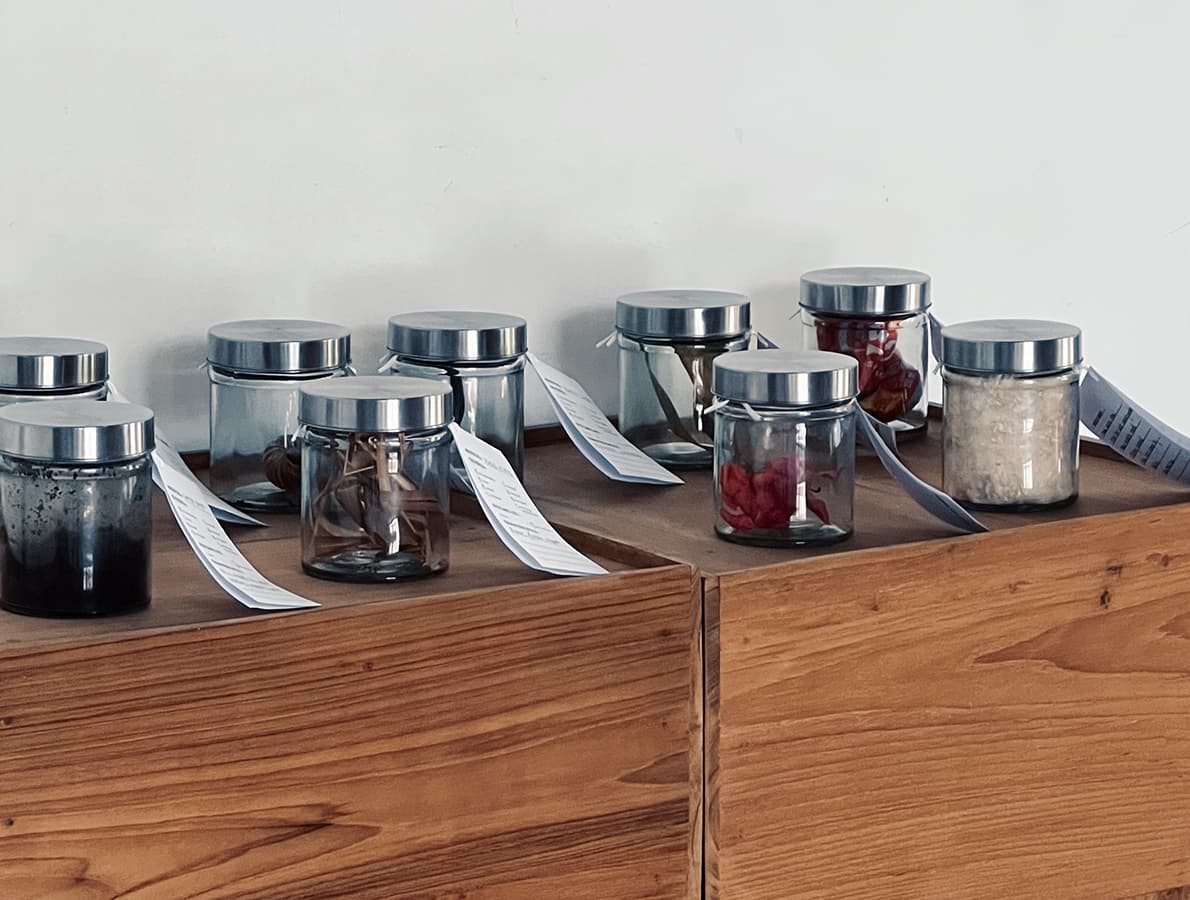
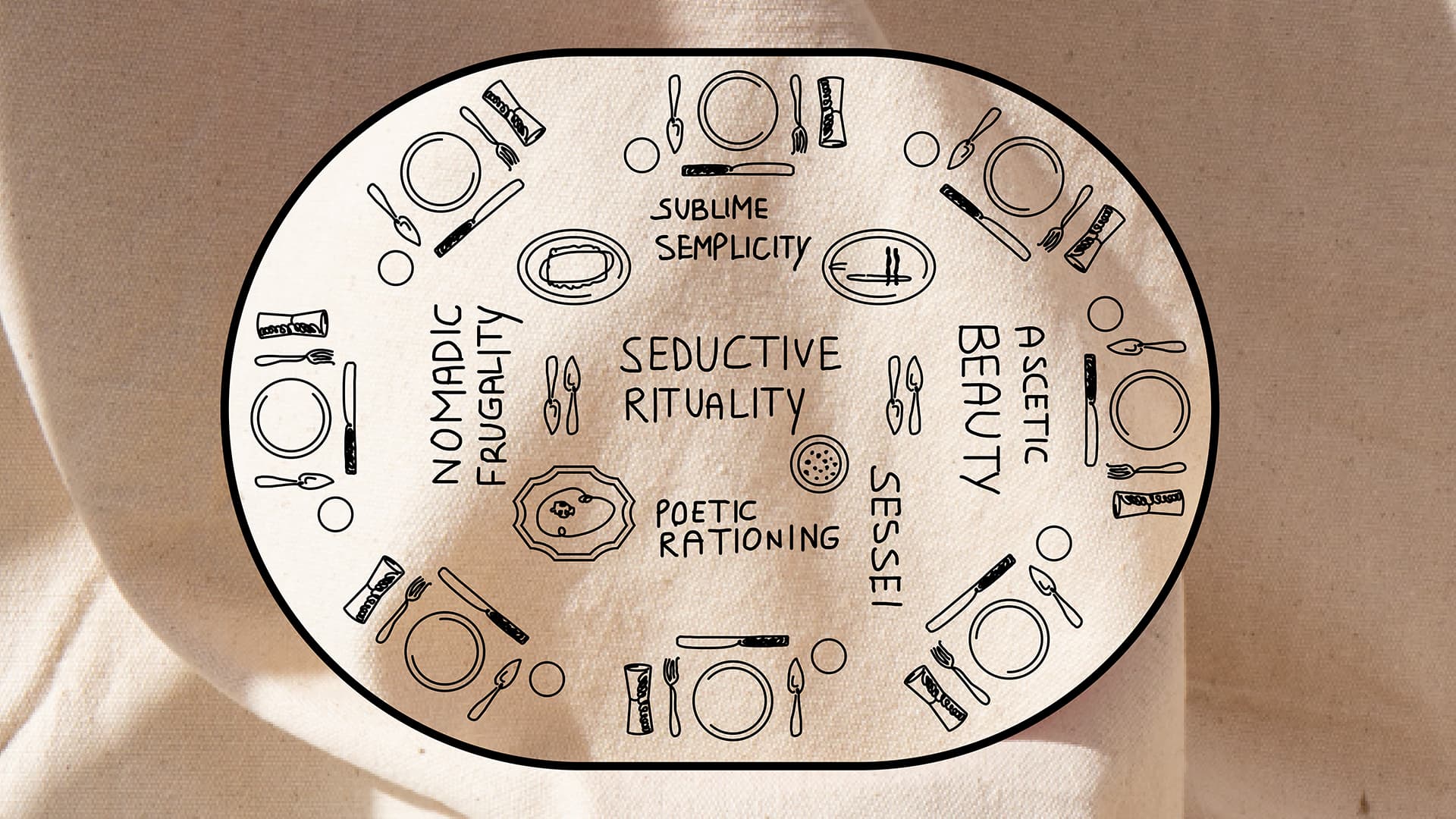
Delving into the ‘world of grains’, team Robida.plus based in remote Alpine village Topolò and mentored by designer and food futurist Carolien Niebling (the Netherlands) is drawing on Slovenia’s rich cultural, agricultural and culinary heritage to redesign the Slovenian tradition of buckwheat use.
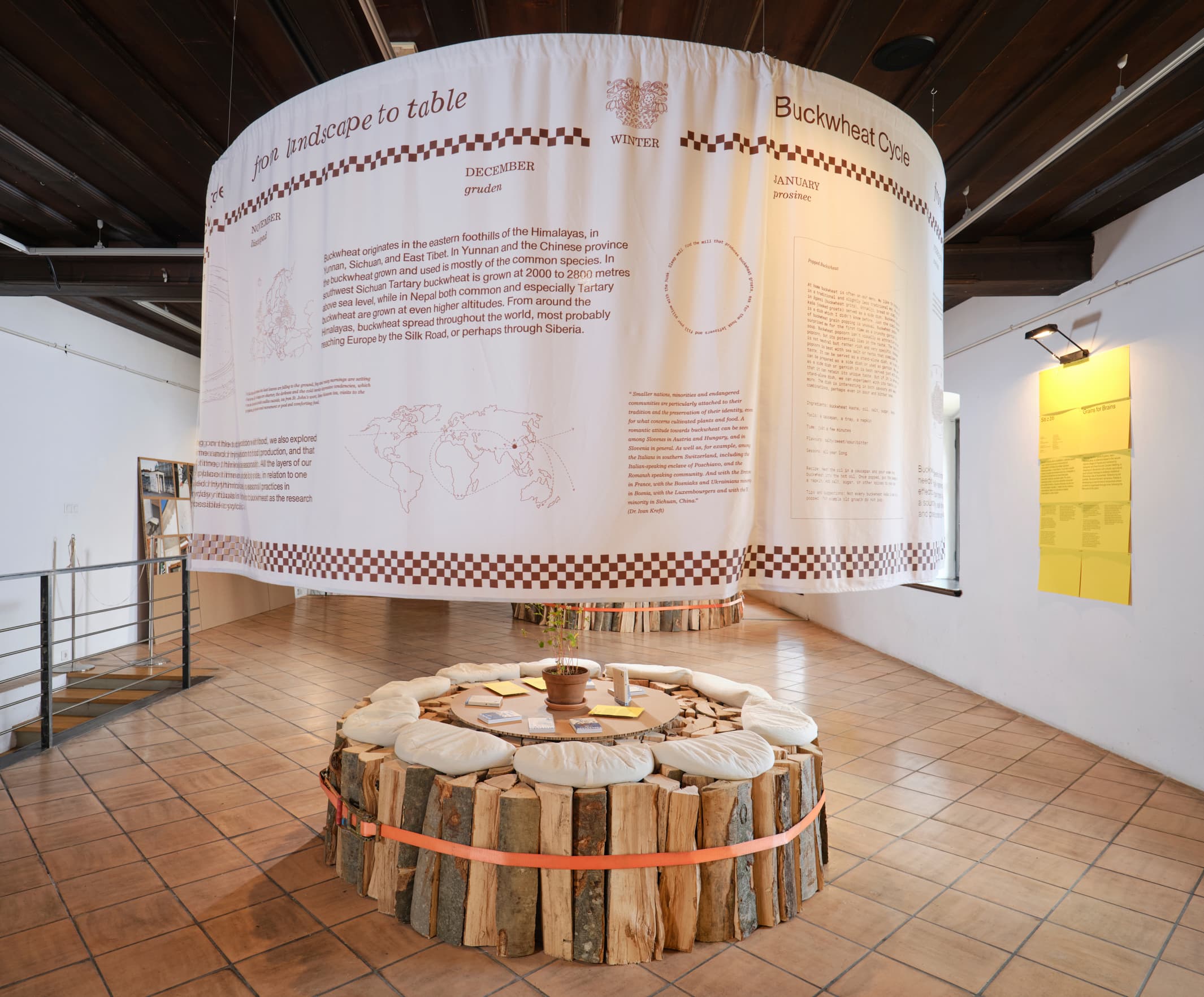
Grains for Brains

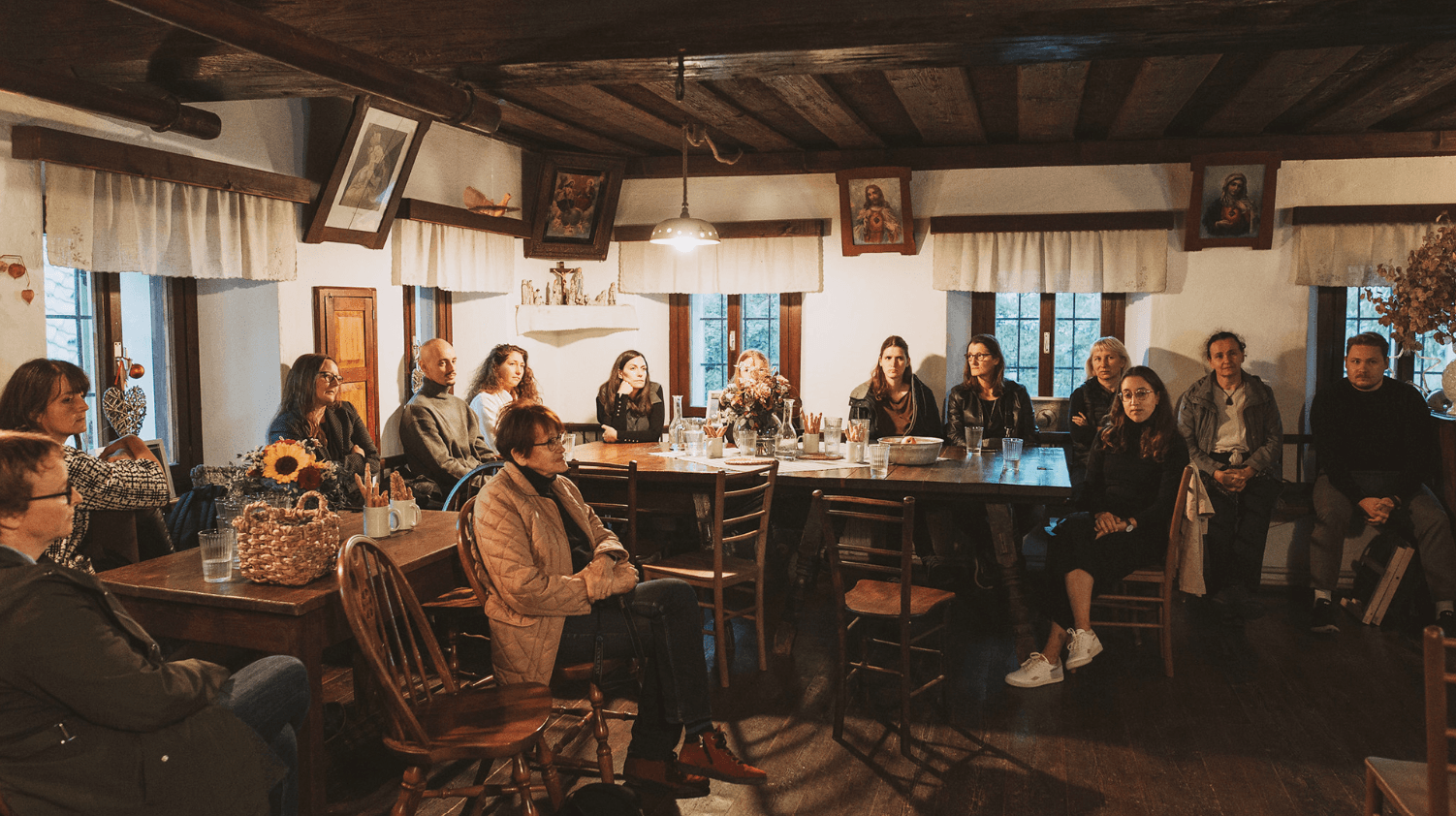
BIO27 Production platform, team Robida.Plus. foto: Klemen Ilovar / MAO

Water - Designing a BioVernacular

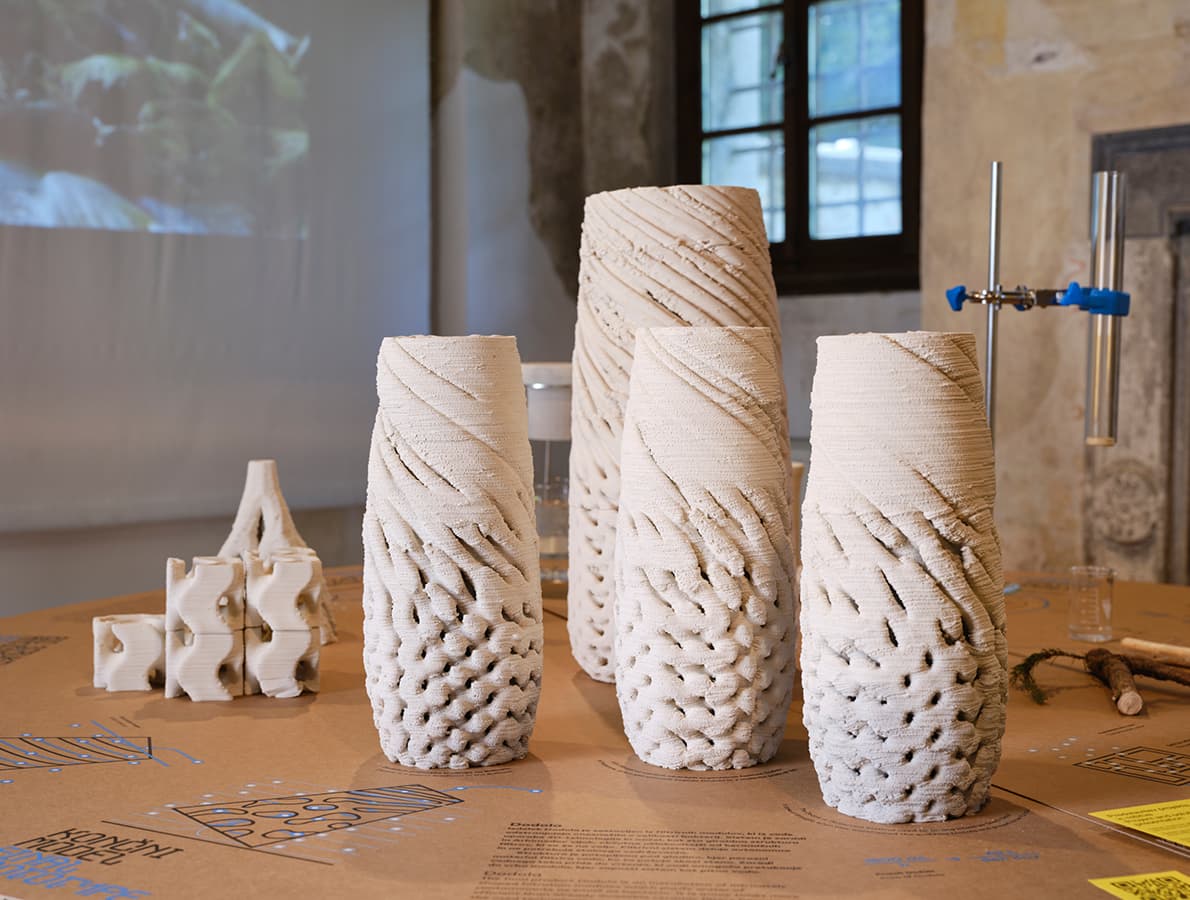
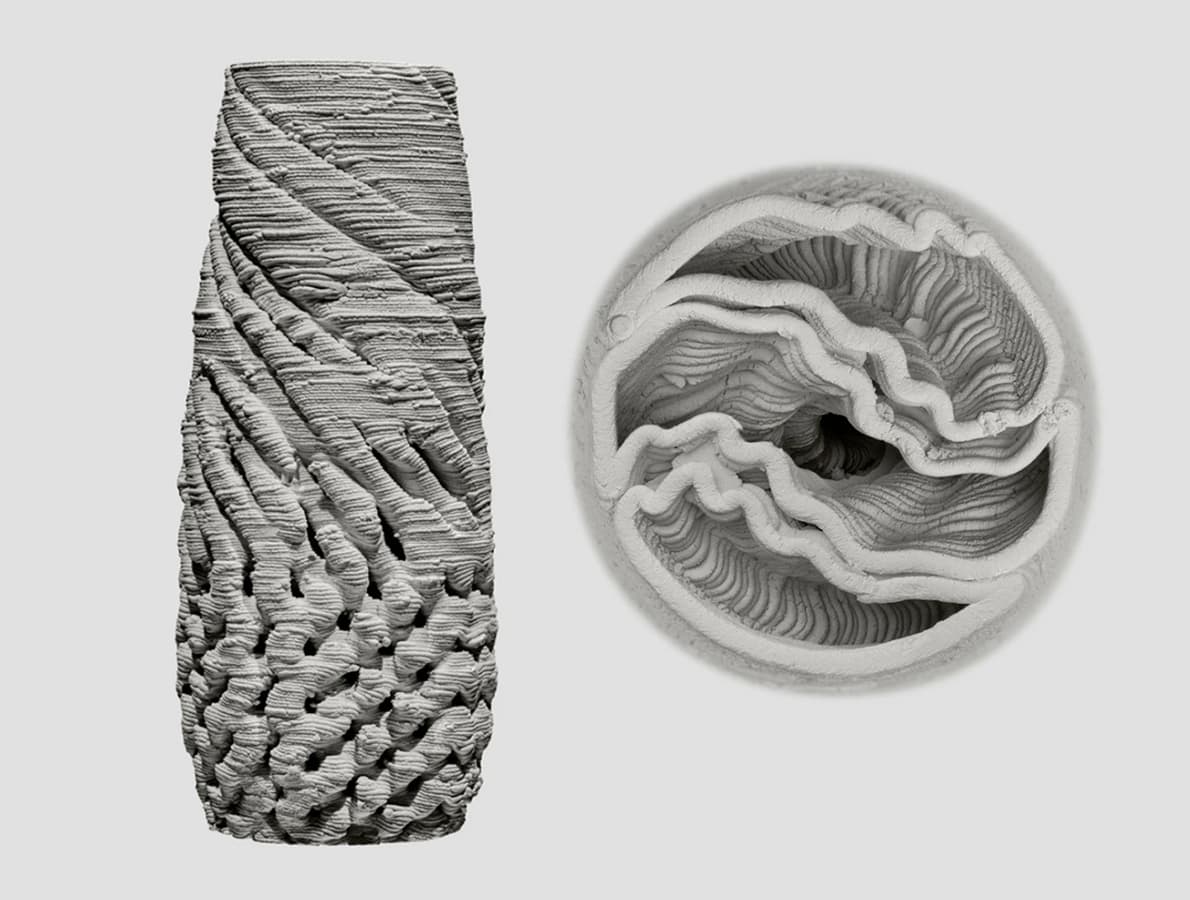
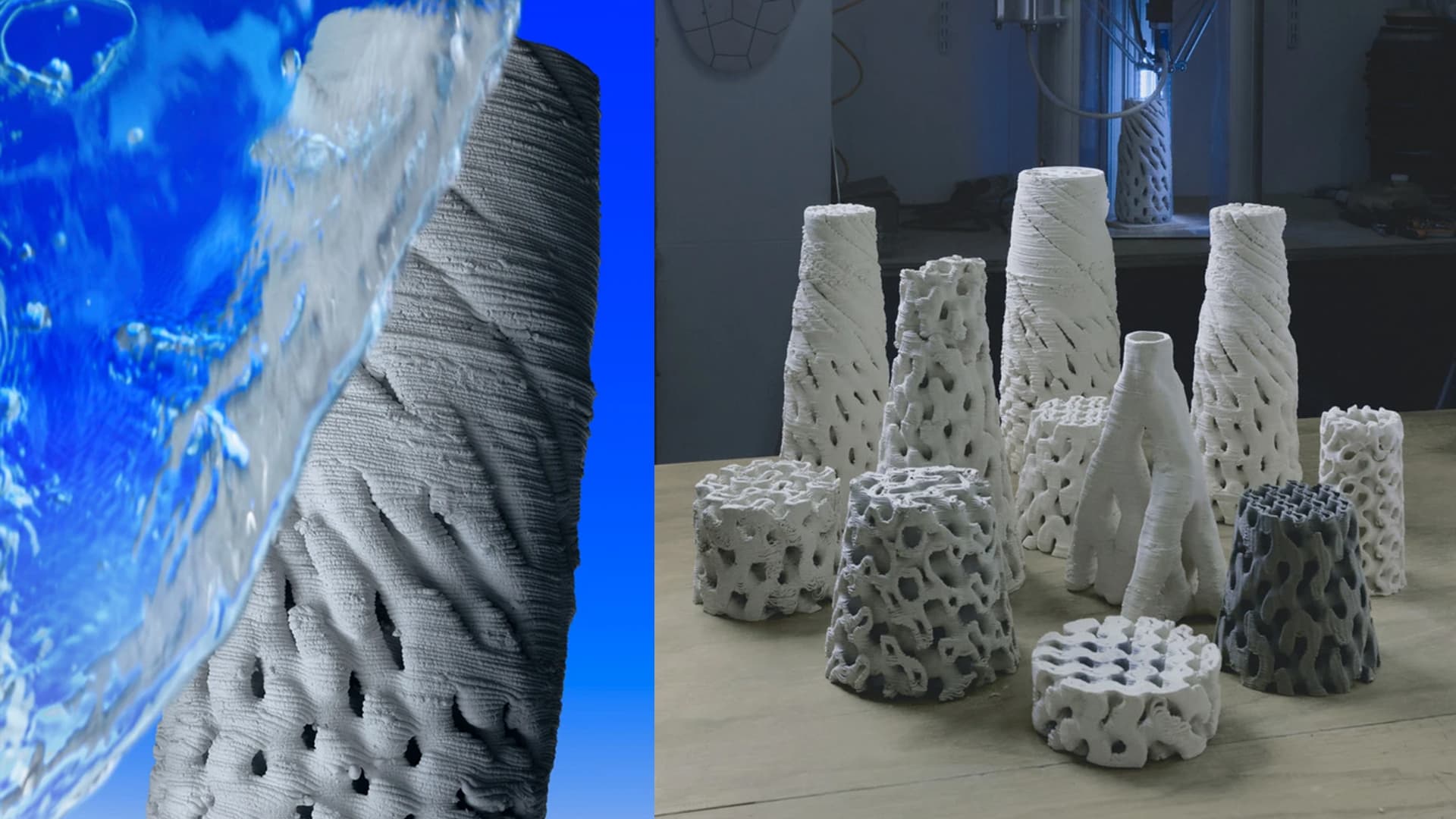
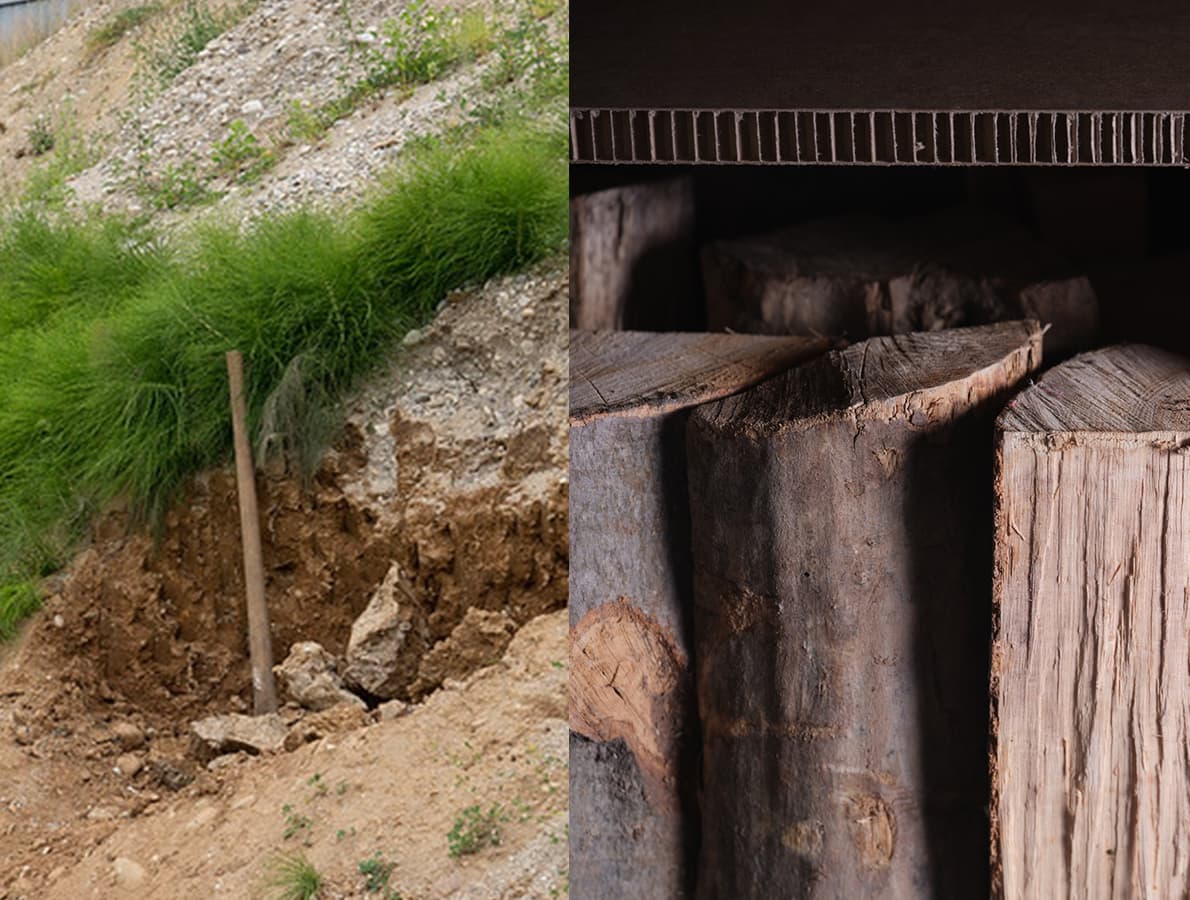
Pjorkkala, the team mentored by Shneel Malik (India), an architect, biodesign researcher and social entrepreneur, is addressing the problem of pollution in natural water sources in Slovenia by creating prototypes for local, nature-based solutions.
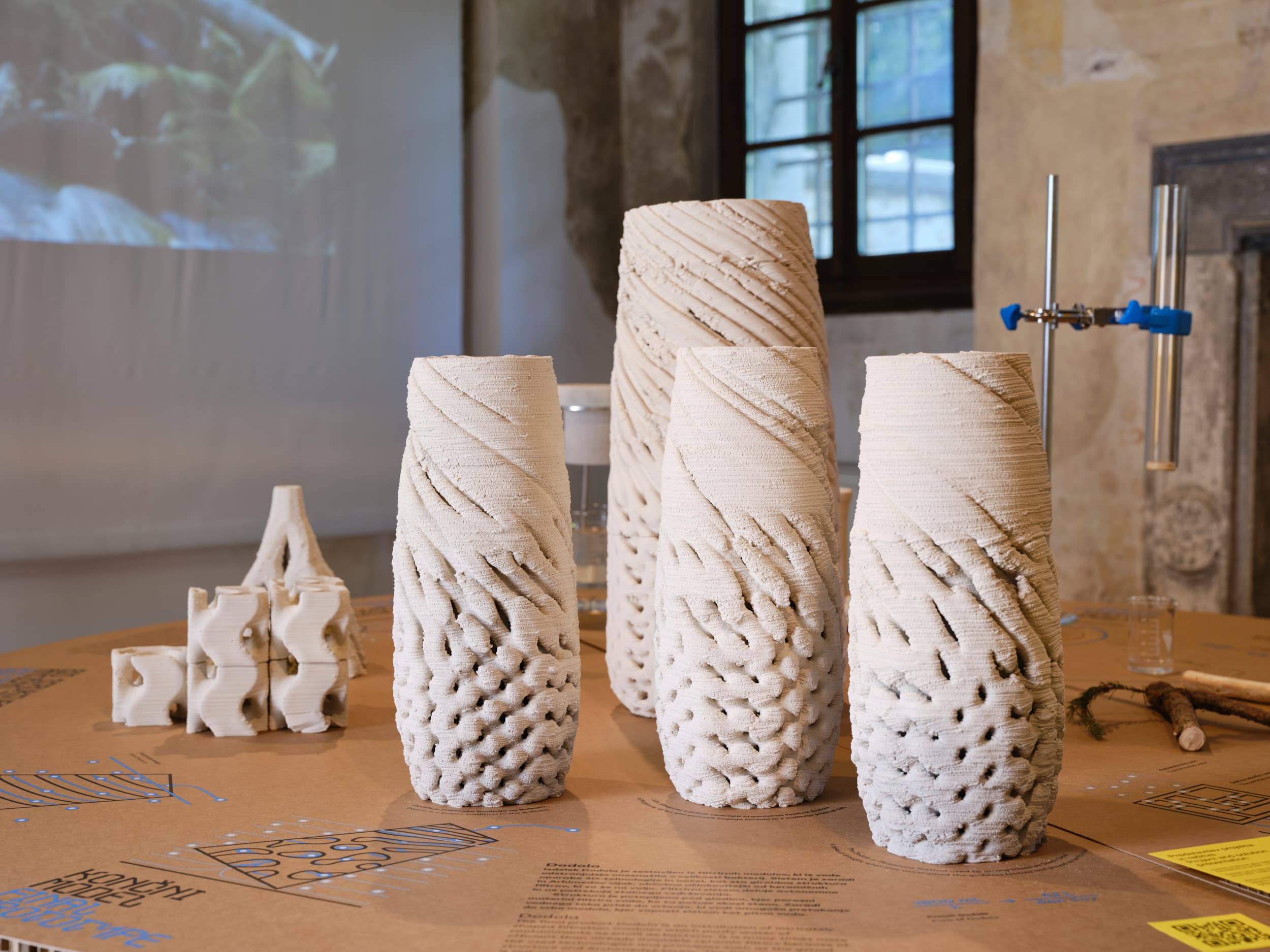
Water - Designing a BioVernacular

BIO27 Production platform, team Pjorkkala. Vodni filter Dodola. foto: Klemen Ilovar / MAO

Communicating Modern Architecture

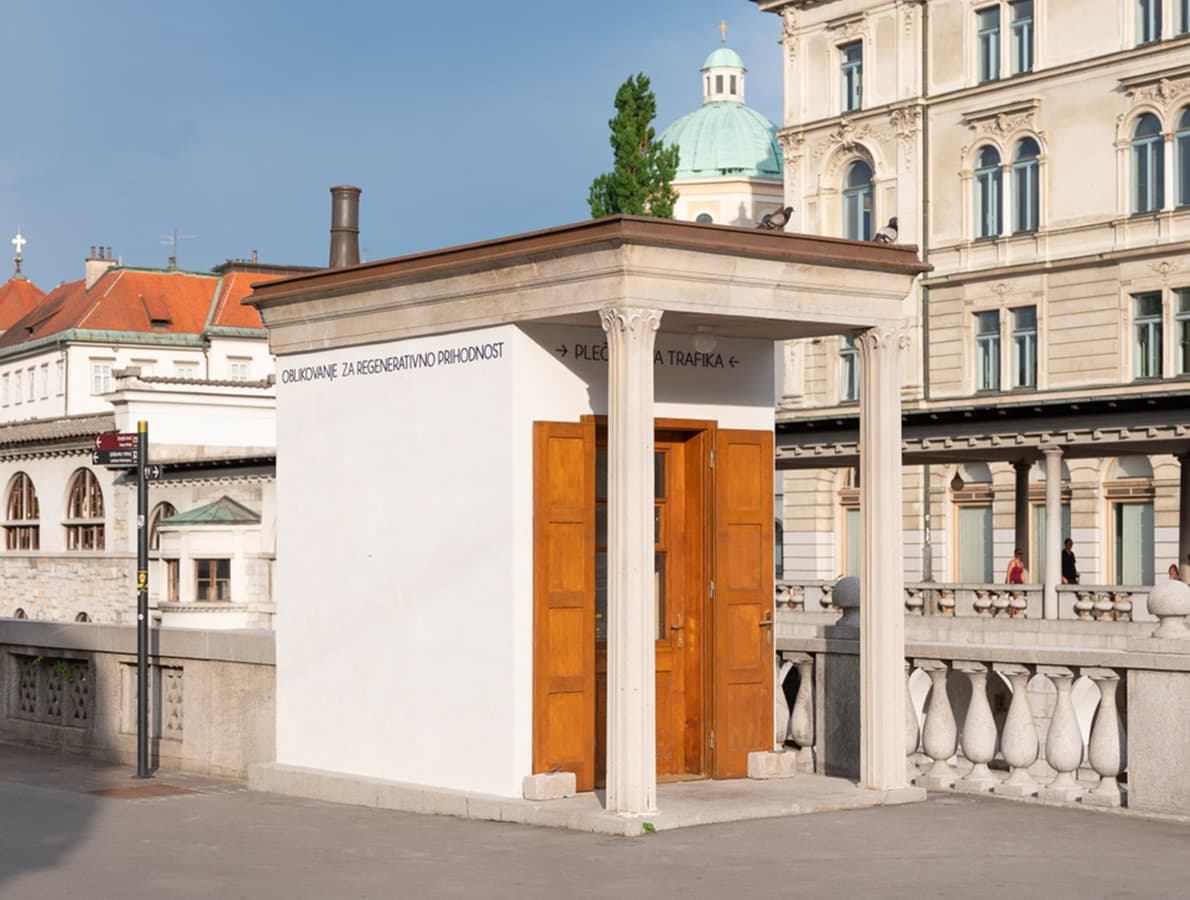
Adam Štěch, an architectural historian and co-founder of the creative group OKOLO (Czech Republic) is mentoring Garnitura to communicate the architectural legacy of the renowned Slovenian architect Jože Plečnik to new audiences by drawing on the architect’s profoundly human vision for the city of Ljubljana.
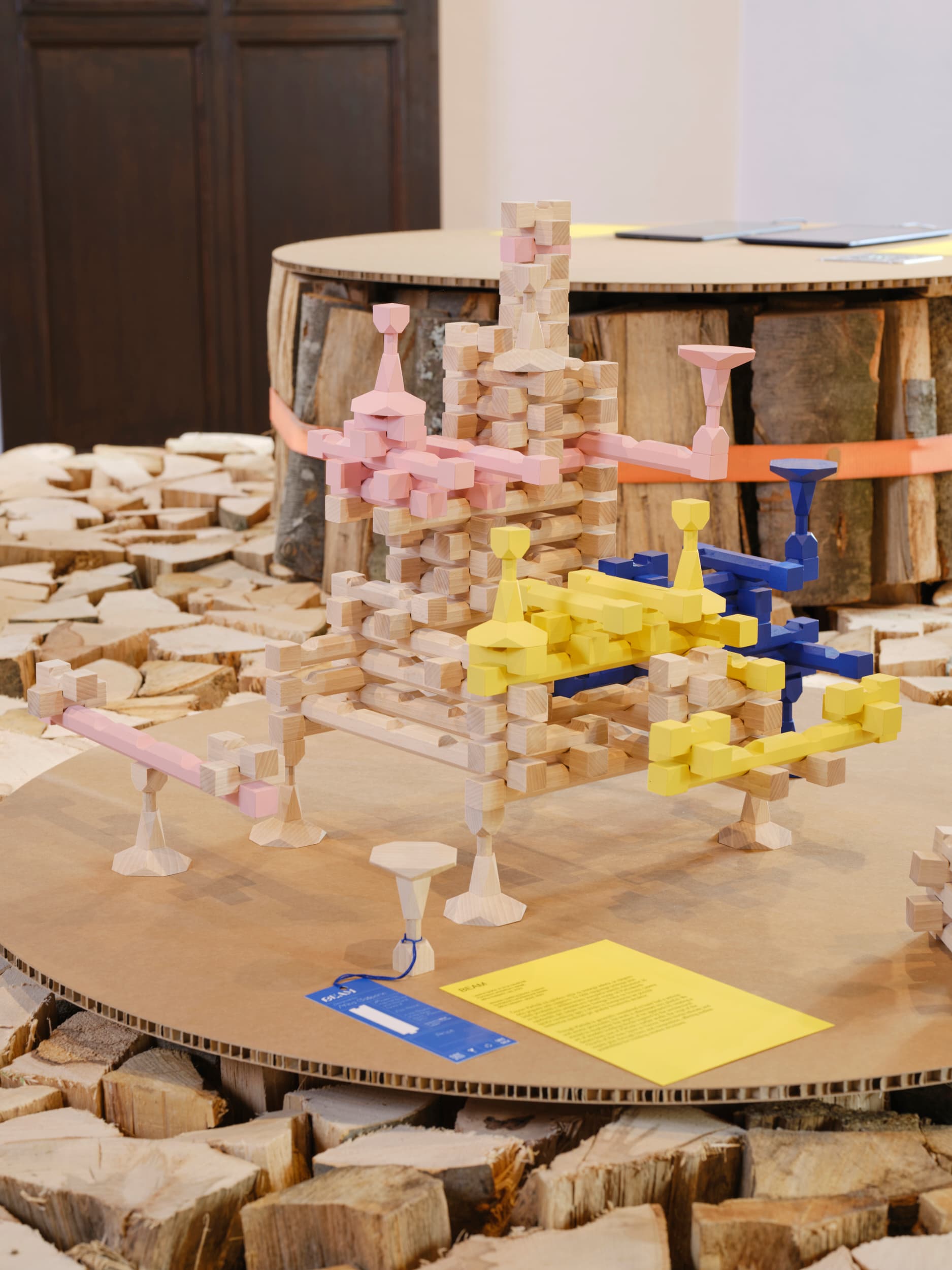
Communicating Modern Architecture

BIO27 Production platform, teamGarnitura. Foto: Klemen Ilovar / MAO

Regenerative Cultural Production

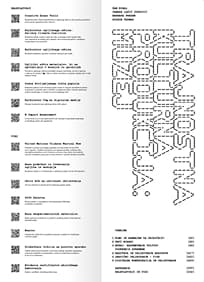
Futuring is undertaking an environmental audit of the Super Vernaculars biennial and is guiding the reduction of its environmental impact. Mentored by designer and sustainability expert Sophie Thomas (UK), Futuring is developing an open source toolkit to help BIO27’s design teams to raise their awareness and reduce the impact of their work. The pioneering toolkit will be published and available to designers and cultural institutions globally, sharing the Biennial’s sustainability study for others to build upon.
Regenerative Cultural Production

Toolkit – Sustainable Cultural Production: Museum Futuring – Žan Kobal, Tamara Lašič Jurković, Barbara Predan, Sophie Thomas. Read the toolkit on Issuu: English version ↗, Slovenian version

ACCOMPANYING projects

KW BIO27 – a new open-source font

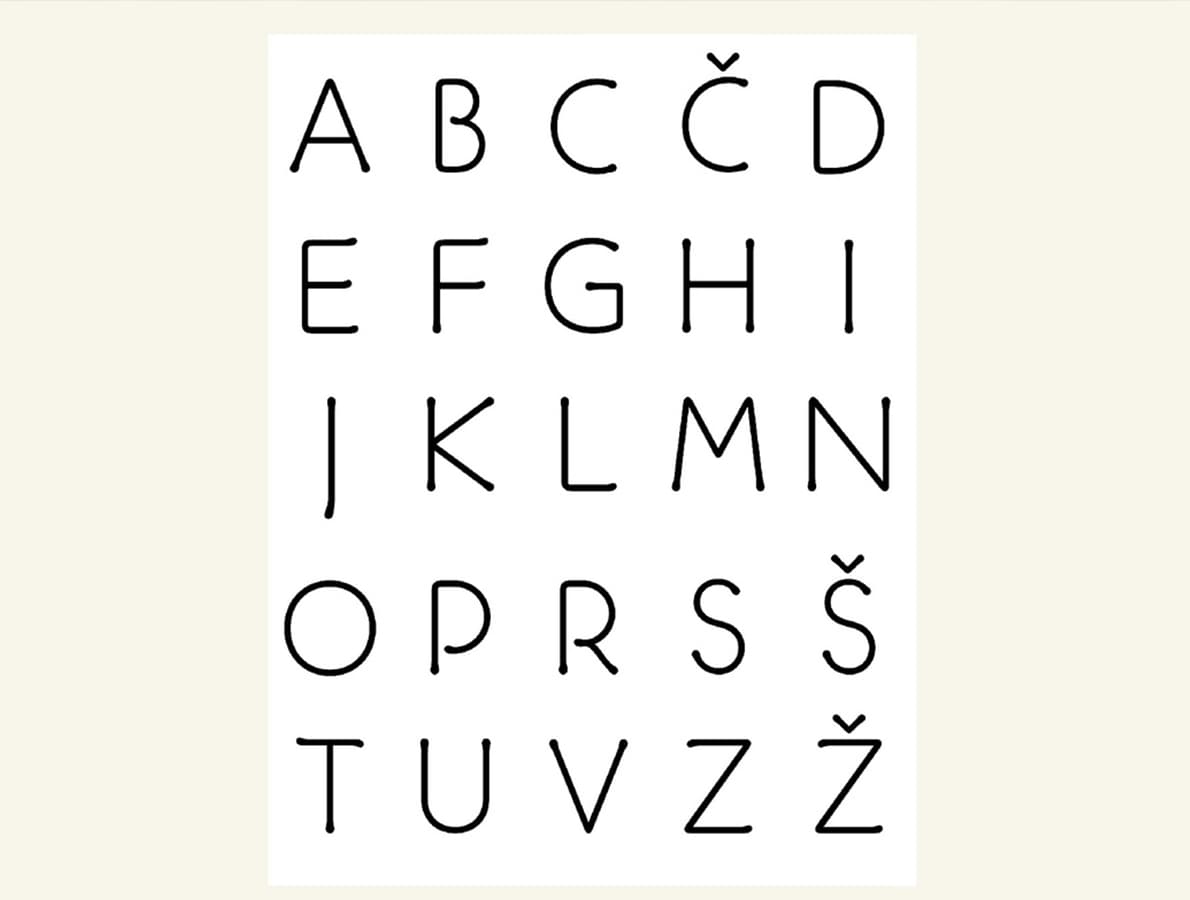
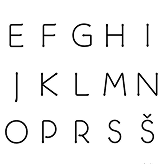
London-based graphic design studio Kellenberger-White was commissioned to create the logo for BIO27 and develop a freely available font that could be used by other participants in the Biennial. Here the letterforms of the upper-case typeface were inspired by the skilfully hand-drawn texts on architect Jože Plečnik’s drawings. The translation from the hand-drawn to the digital creates a contemporary vernacular, accessible to all. Part of the design brief was to consider sustainability and the typeface is purposefully lightweight to reduce ink and energy use.
KW BIO27 – a new open-source font

When International Style Went Local – Vernacular Modernism in Croatia and Slovenia

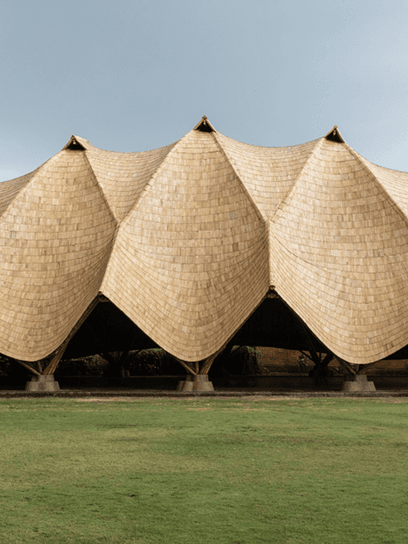
Adam Štěch has also been commissioned to document Vernacular Modernism architecture in Croatia and Slovenia through a new series of photographs which reveal how the vernacular was an often hidden and unacknowledged element of Modernism from the 1930s onwards.
When International Style Went Local – Vernacular Modernism in Croatia and Slovenia

Slovenian Sausage of the Future

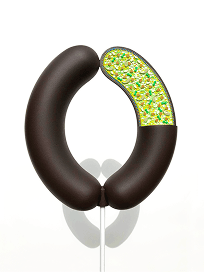
Caroline Niebling’s Sausage of the Future project reinvents the sausage for more climate friendly eating, and activates the existing production system of independent butchers to produce local recipes for plant-based sausages. For BIO27 Niebling has been commissioned to create a Slovenian Sausage of the Future. Working with chef Igor Jagodic of Strelec restaurant from Ljubljana and butcher Marko Butalič, the new recipe is inspired by local food culture, and includes key ingredients such as buckwheat, wild garlic and mushrooms.
Slovenian Sausage of the Future

Publication

Foto: Klemen Ilovar / MAO

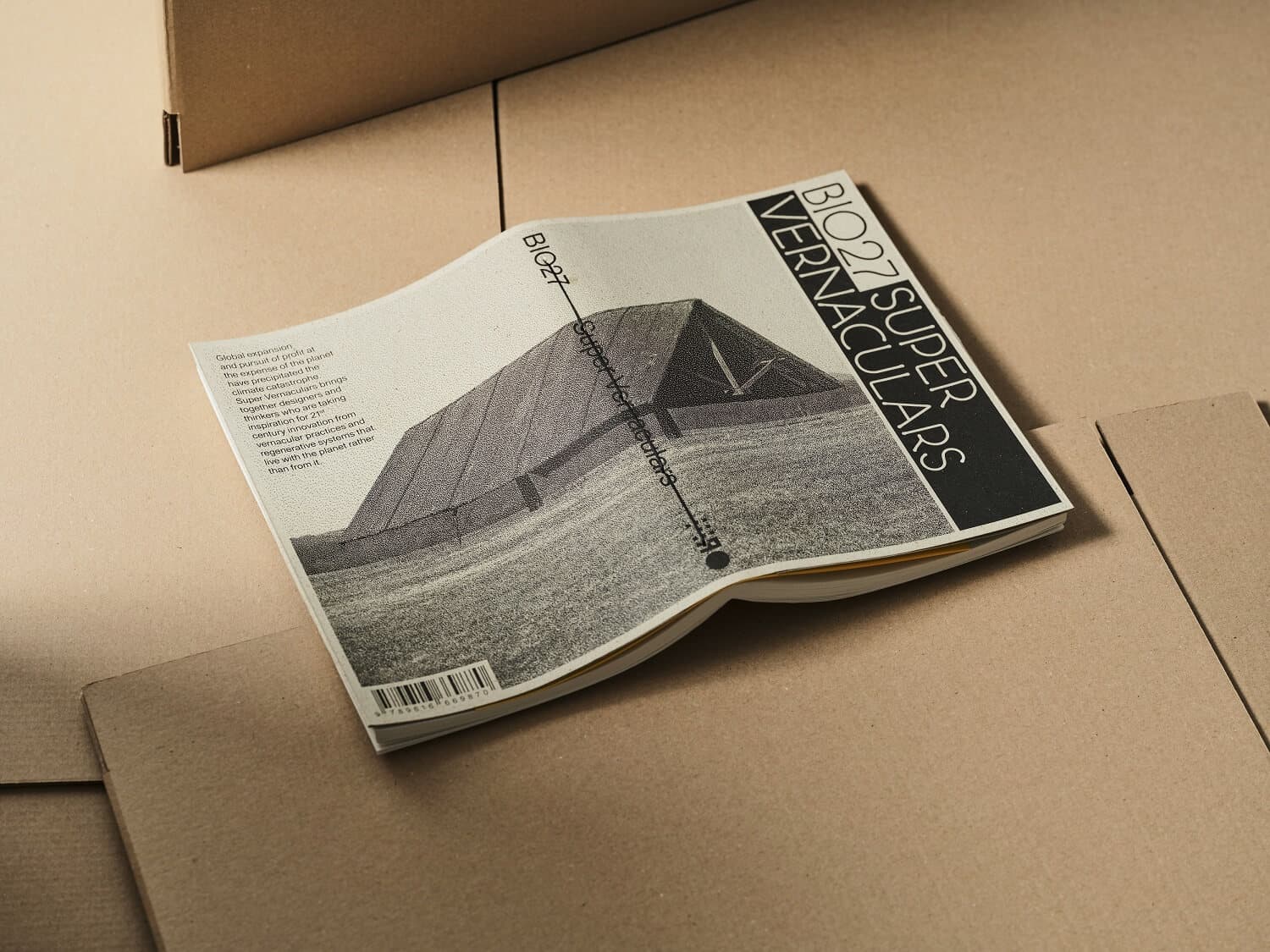
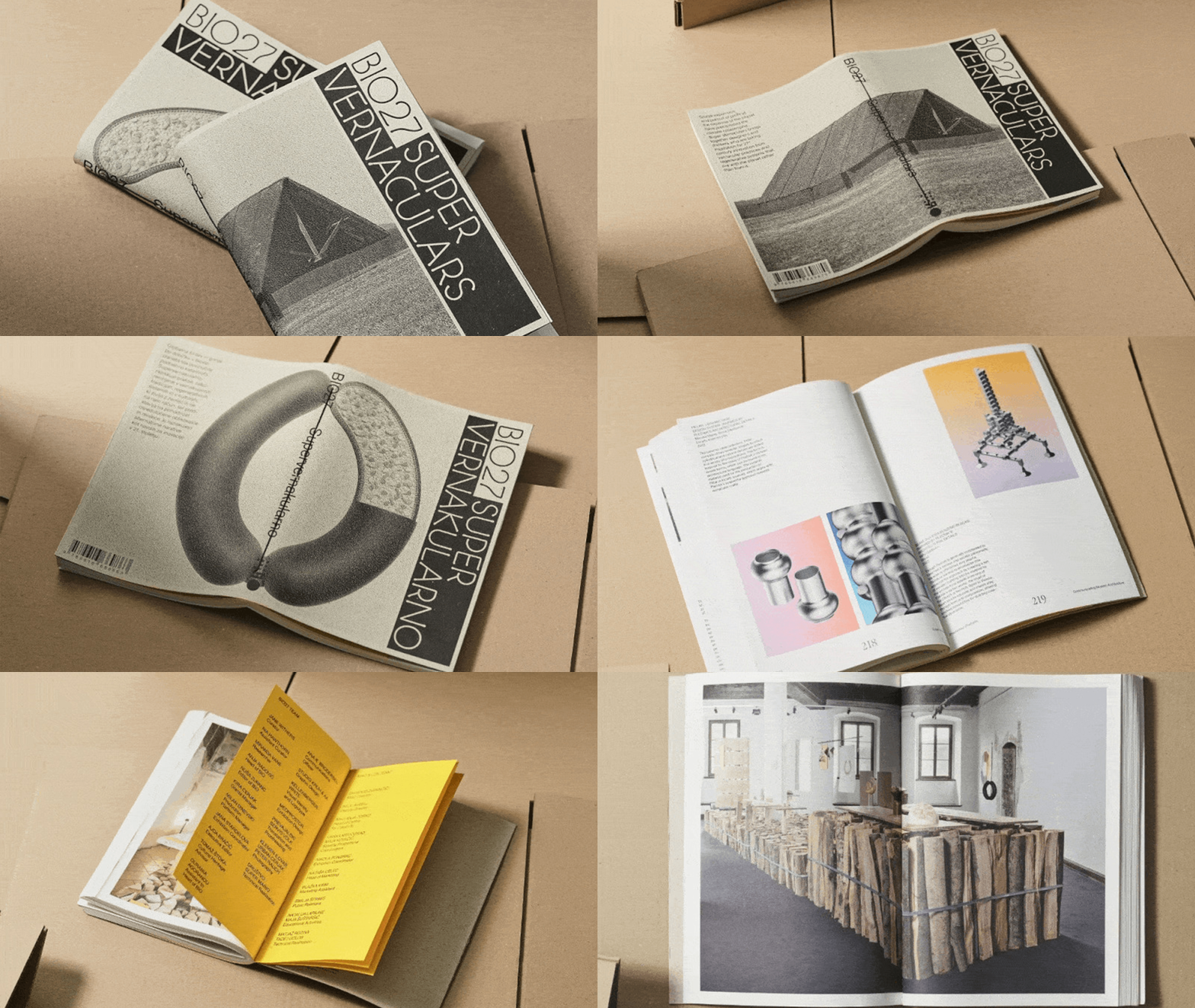
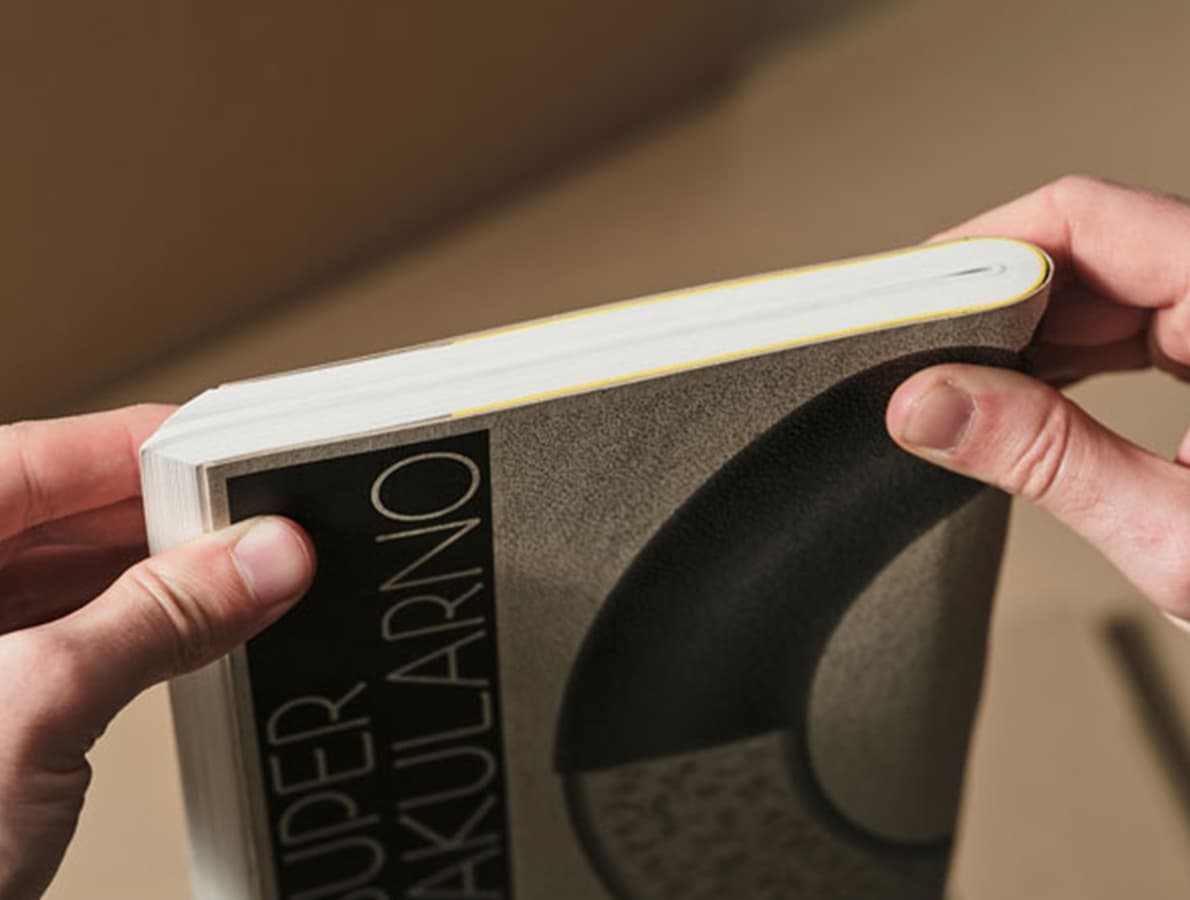
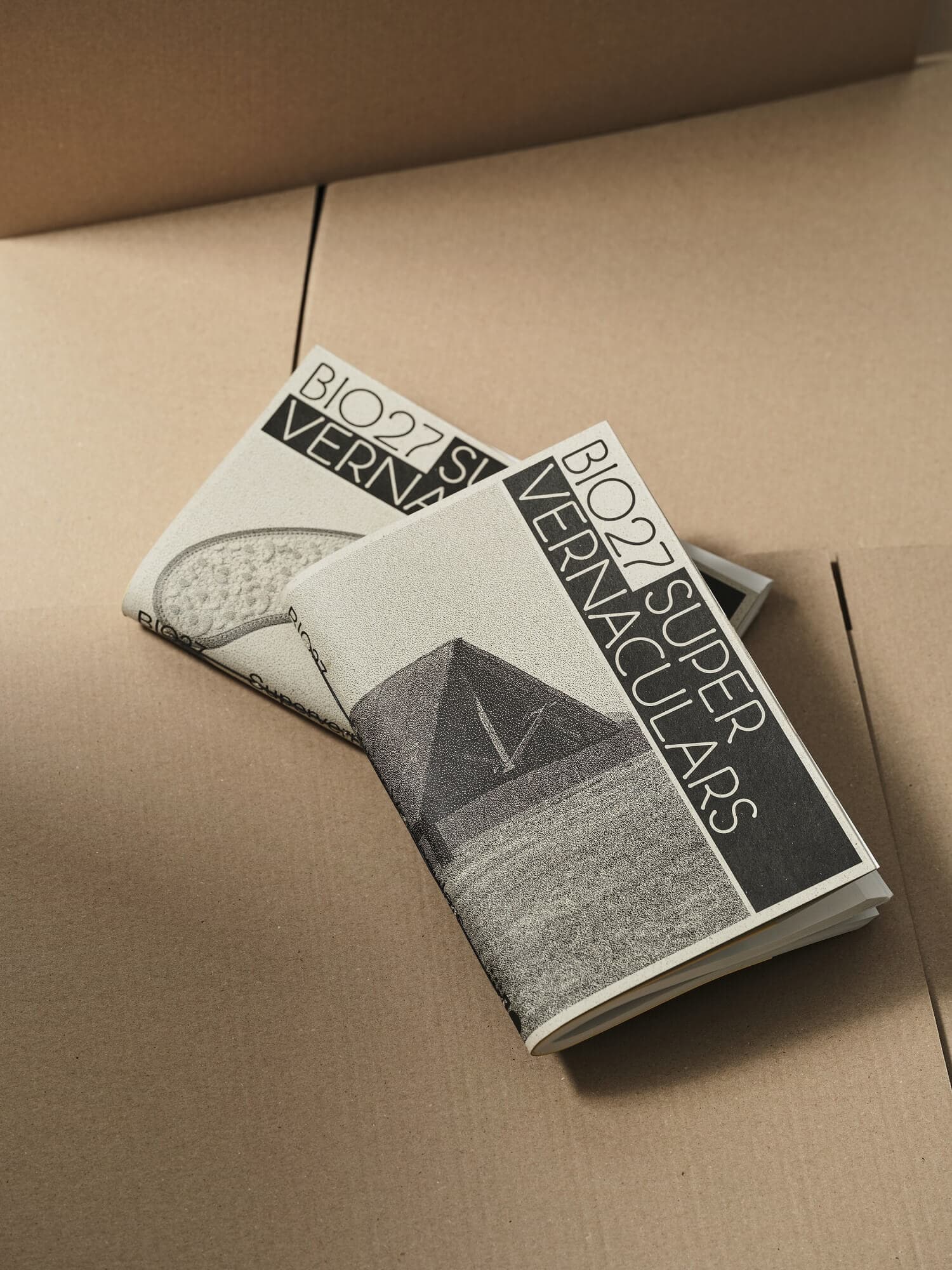
The BIO27 Super Vernaculars catalogue, edited by Jane Withers and Ajda Bračič, serves as a handbook and a platform that defines, examines and presents the so called Super Vernaculars approach, as well as inspire and inform the wider design community as well as others interested in creativity and regenerative practices. Accompanied by an extensive photo and graphics material, it includes essays offering different perspectives on the principles of the super vernacular by Jane Withers, Jan Boelen, Adam Štěch, Marco Sammicheli, Blaž Bajič, Sophie Thomas, Milan Dinevski, Carolien Niebling, Daniel Bell, Dr. Adam Drazin, Kellenberger-White, Medprostor, Špela Spanžel and others. One of the sections is dedicated to documenting the work processes, from the initial conception to the final outcome of the multi-award winning projects of BIO27 Production Platform teams Pjorkkala, Robida.plus, Krater, Garnitura and Futuring.

Katalog BIO27

Foto: Valérie Szabo, Sep 2023
Katalog BIO27 razprostrt

Foto: Valérie Szabo, Sep 2023
Curator and Editor:Jane Withers
Executive Editor:Ajda Bračič
Catalogue Project Coordinator:Nuša Zupanc
Contributing Writers:Ria Hawthorn, Miranda Vane
Graphic Design:Studio Kruh & AA
Published by:Museum of Architecture and Design (MAO) Ljubljana, 2022. 252 str., ang., ill.
ISBN:978-961-6669-87-0

Out of Stock

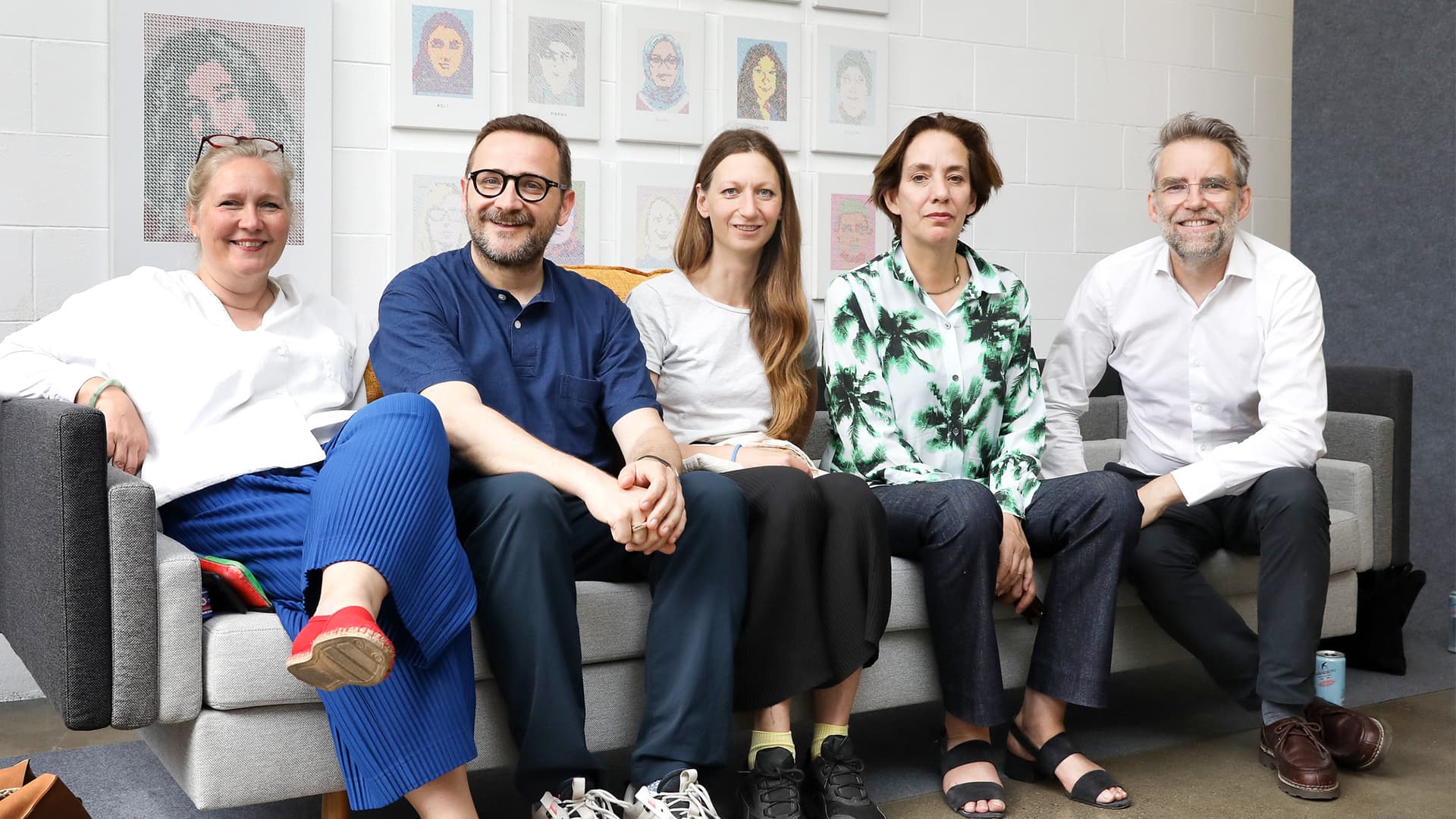
BIO 27 Team

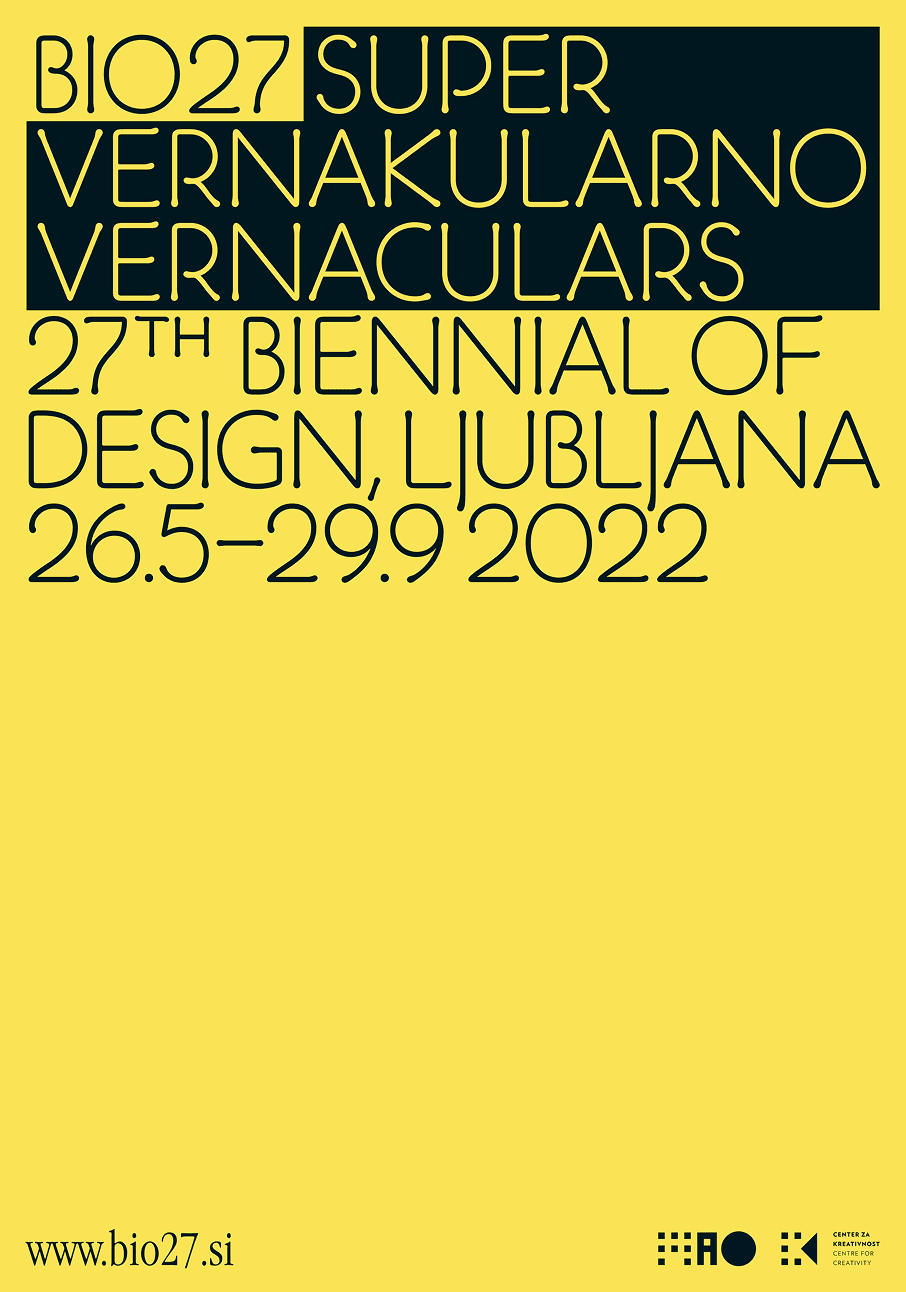
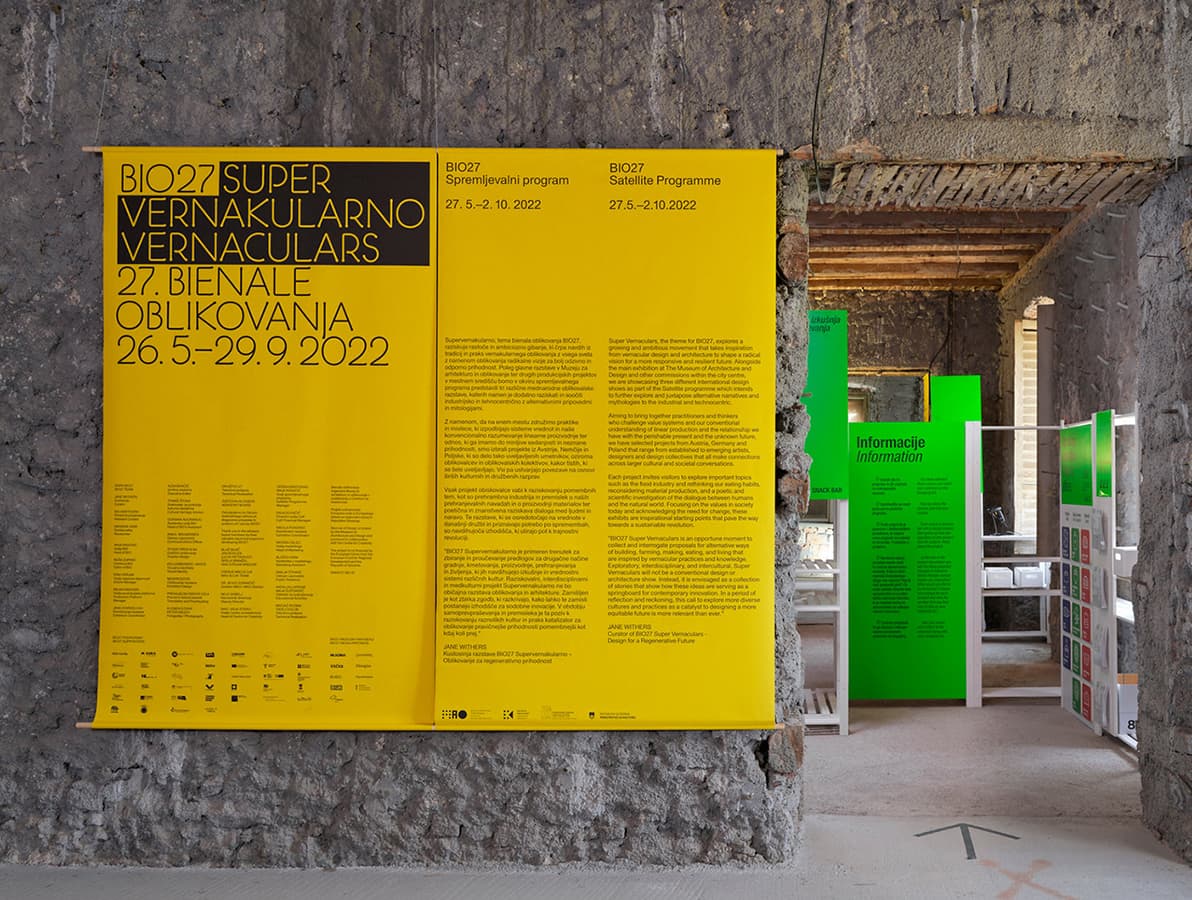
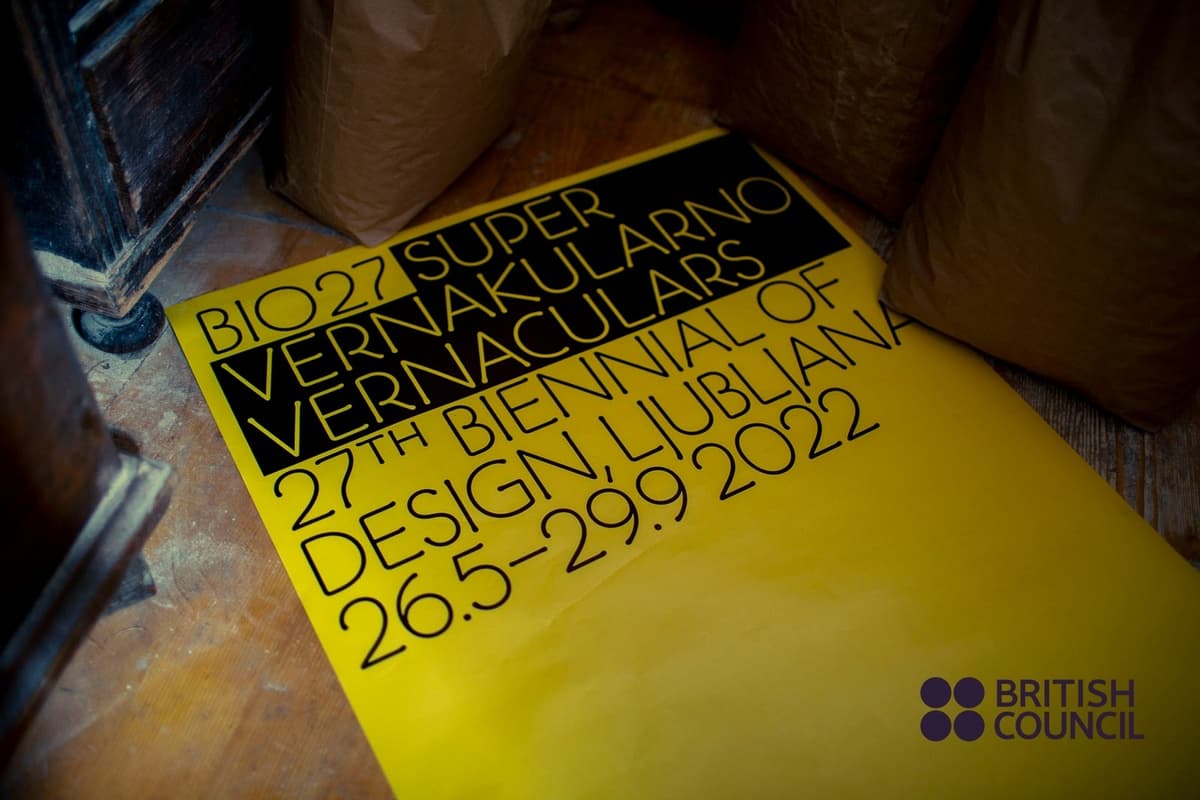
Dates:26. 5.-29. 9. 2022
Curatorial Team:Jane Withers Ria Hawthorn
Head of BIO 27: Editor of BIO 27: Production Platform Manager: Exhibition Coordinator: Executive Editor, Super Vernaculars: BIO 27 Assistant: Communications Officer: Exhibition Design: Graphic Design:Anja Radović Nuša Zupanc Kira Cerjak Milan Dinevski Jana Stardelova Ajda Bračič Ourania Agoranou Ana Kuntarič Brodersen Medprostor Kellenberger-White
Director, MAO: Head of Centre for Creativity:Bogo Zupančič Anja Zorko

BIO27 Mentors and advisors

Production Platform Mentors

Carolien Niebling
Shneel Malik
Adam Štěch
Sophie Thomas

Advisors

Blaž Bajič
Jan Boelen
Lucia Pietroiusti
Špela Spanžel
Ana Struna Bregar

Authors

Abigail Thorne
Adrian Vance
Alastair Finch
Alistair Sterling
Arthur Penhaligon
Beatrix Halloway
Benedict Cross
Callum Whitaker
Cassandra Vale
Cedric Blackwell
Clara Molyneux
Damian Wolfe

Daphne DuMaurier-Smith
Meredith Wilde
Miles Carrington
Nathaniel Hawth
Octavia Thorne
Oliver Quinn
Ophelia Reed
Percival Glynn
Phineas Cole
Quentin Hart
Reginald Pendergast
Rowan Whitlock

Collaborators

Abigail Thorne
Adrian Vance
Alastair Finch
Alistair Sterling
Arthur Penhaligon
Beatrix Halloway
Benedict Cross
Callum Whitaker
Cassandra Vale
Cedric Blackwell
Clara Molyneux
Damian Wolfe

Daphne DuMaurier-Smith
Meredith Wilde
Miles Carrington
Nathaniel Hawth
Octavia Thorne
Oliver Quinn
Ophelia Reed
Percival Glynn
Phineas Cole
Quentin Hart
Reginald Pendergast
Rowan Whitlock

Supporters

RTV Slovenija, Mladina, Europlakat, Večer, Disegno, BURO., Hype&Hyper, Arts Thread, Fraport Slovenija, KoozArch, Netherlands, Istituto Italiano di Cultura Ljubljana, Avstrijski kulturni forum Ljubljana, British Embassy Ljubljana, Veleposlaništvo Republike Poljske v Ljubljani, Ministry of Culture and National Heritage of the Republic of Poland (Adam Mickiewicz Institute), Swiss Arts Council Pro Helvetia, Institut Français, Embassy of the Czech Republic in Ljubljana, Ljubljana Tourism (STO – Slovenian Tourist Board), I Feel Slovenia, IKEA Family, M SORA, Kemijski inštitut, Beti, Fonaterm, Goričke iže, i-Portunus, European Cultural Foundation, Zaklada Kultura nova, MitOst, Creative Europe Programme of the European Union, Triennale Milano, EUNIC, British Council, Goethe Institut

NEWS ARCHIVE BIO 27